
30 Sep 2026
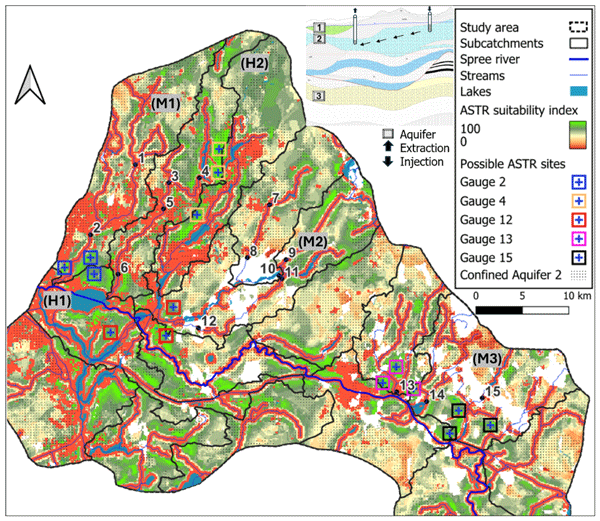
Managed aquifer recharge in confined multi-layer aquifers: a scalable framework for drought resilience in central Europe
Nat. Hazards Earth Syst. Sci., 26, 4641–4661, 2026
01 Oct 2026
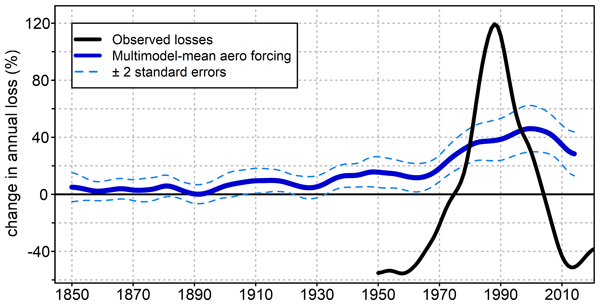
Anthropogenic aerosol forcing of European windstorms in CMIP6 climate models
Nat. Hazards Earth Syst. Sci., 26, 4663–4673, 2026
01 Oct 2026
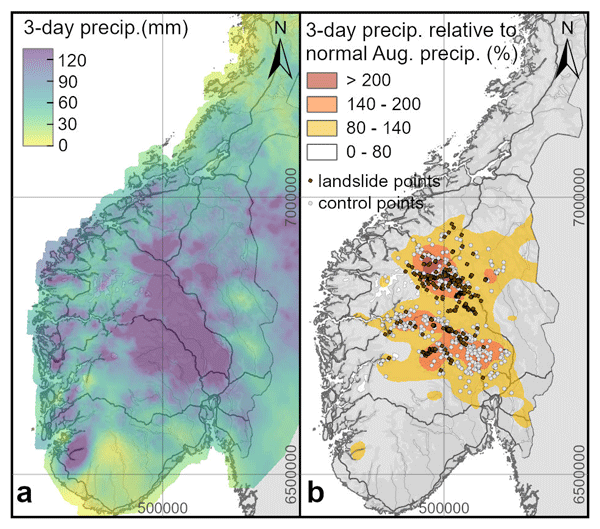
Spatial machine learning modelling reveals that soil indicators and tree type best explain shallow landslide release
Nat. Hazards Earth Syst. Sci., 26, 4675–4721, 2026
02 Oct 2026
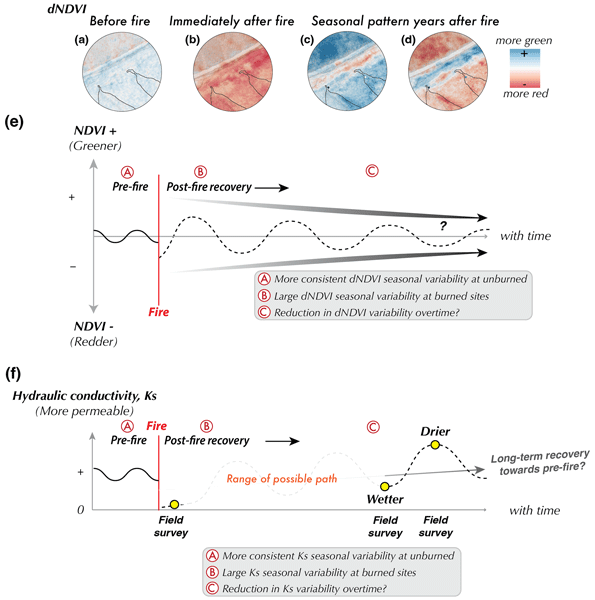
Seasonal influence on post-fire debris flow likelihood after the 2020 Lake Fire
Nat. Hazards Earth Syst. Sci., 26, 4723–4740, 2026
02 Oct 2026
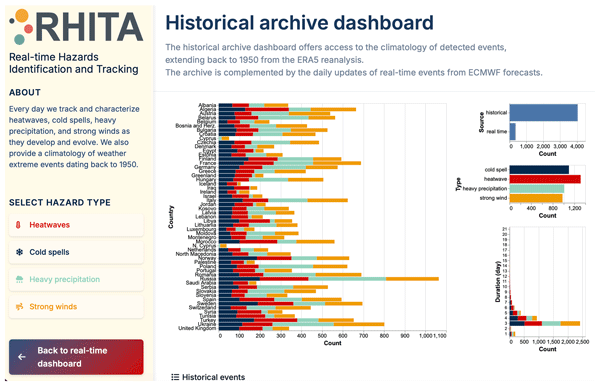
RHITA: a web tool for real-time detection of extreme weather events
Nat. Hazards Earth Syst. Sci., 26, 4741–4752, 2026
02 Oct 2026
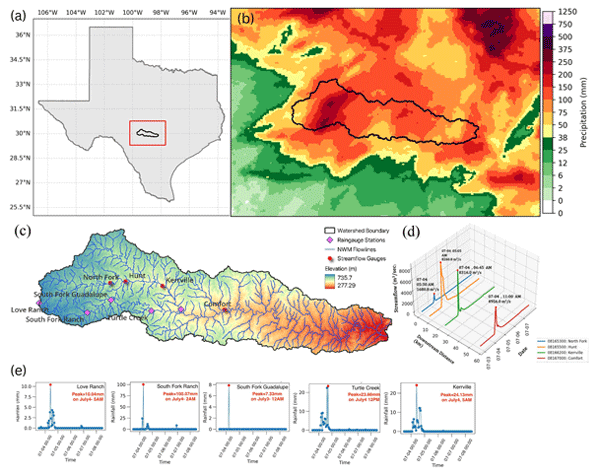
Brief communication: Rise of the Guadalupe River – a multifaceted post event analysis of 4 July 2025, flood in Central Texas
Nat. Hazards Earth Syst. Sci., 26, 4753–4762, 2026
02 Oct 2026
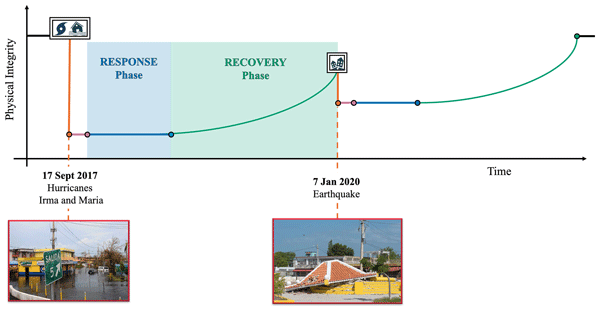
A quantitative methodology for analysing physical damage and recovery dynamics from concurrent and consecutive hazards: forensic insights from Puerto Rico
Nat. Hazards Earth Syst. Sci., 26, 4763–4783, 2026
05 Oct 2026
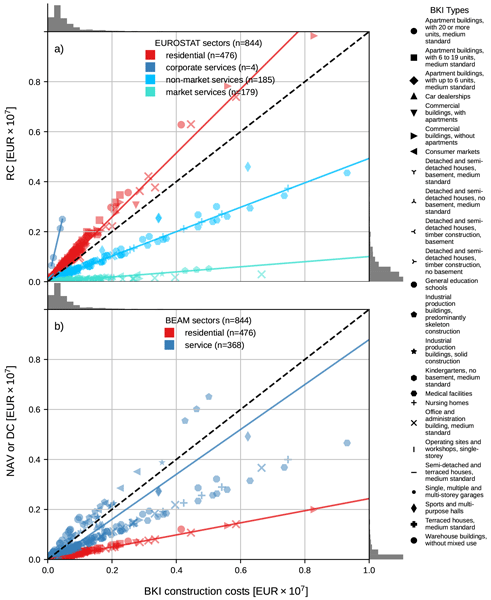
Building-level exposure asset value modelling for Germany: an Ahrweiler case study
Nat. Hazards Earth Syst. Sci., 26, 4785–4805, 2026
05 Oct 2026
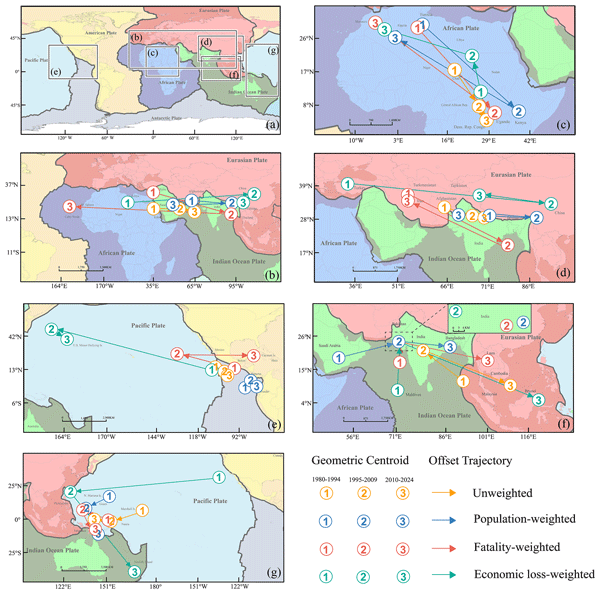
Spatiotemporal patterns of global earthquake disaster impacts from a human-Earth perspective
Nat. Hazards Earth Syst. Sci., 26, 4807–4824, 2026
06 Oct 2026
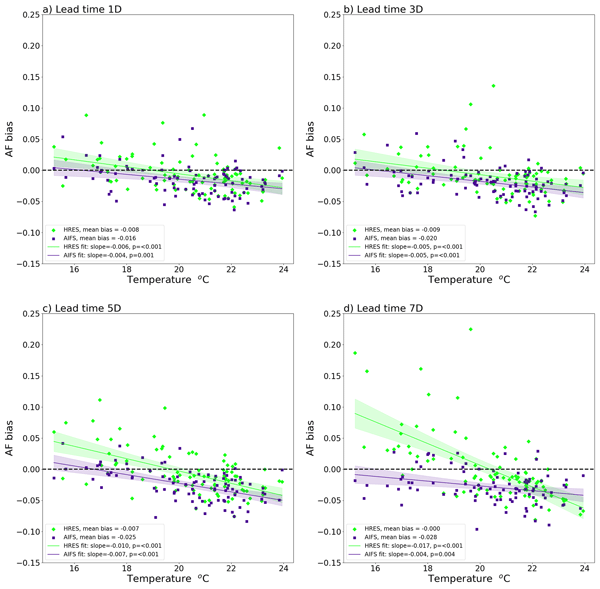
Forecasting European temperature-related mortality in Summer 2024: data-driven vs. physics-based forecast approaches
Nat. Hazards Earth Syst. Sci., 26, 4825–4842, 2026
06 Oct 2026
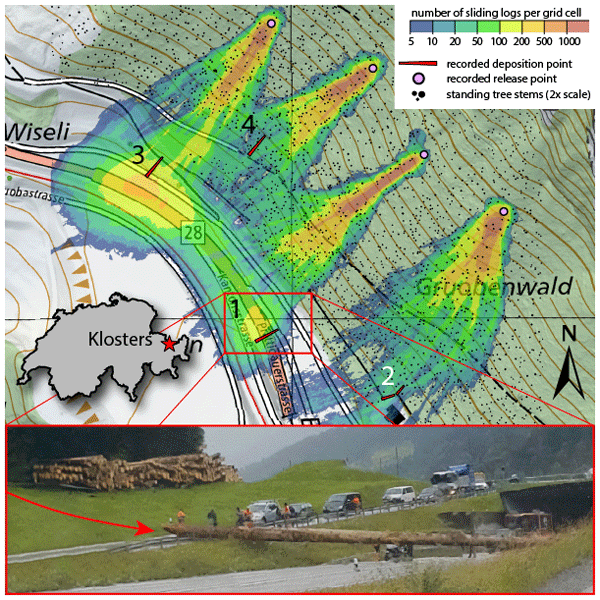
Simulation of sliding deadwood logs in mountain forests: towards a quantitative hazard assessment
Nat. Hazards Earth Syst. Sci., 26, 4843–4859, 2026
07 Oct 2026
| Highlight paper
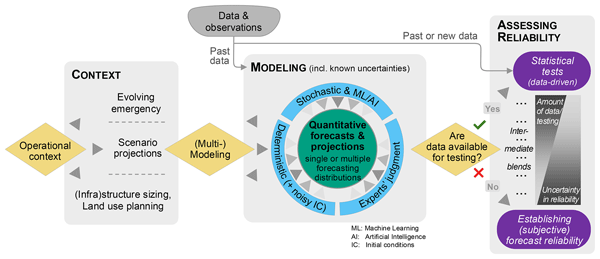
Invited perspective: Uncertainties in natural systems may be uncomfortable, but ignoring them would be absurd
Nat. Hazards Earth Syst. Sci., 26, 4861–4880, 2026
07 Oct 2026
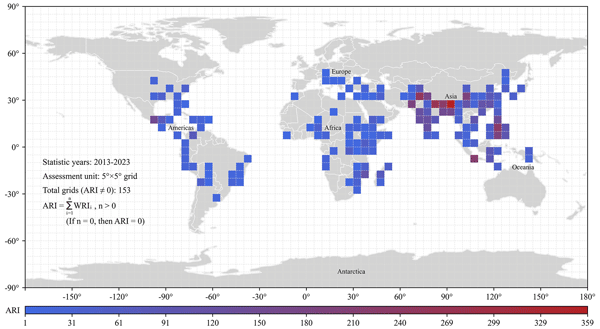
Global disaster risk assessment from Emergency Events Database (2013–2023)
Nat. Hazards Earth Syst. Sci., 26, 4881–4910, 2026
12 Oct 2026
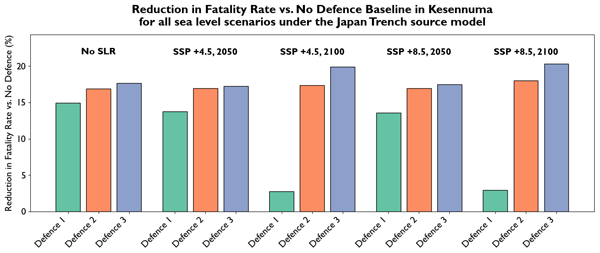
Human-centred design approaches to tsunami mitigation under sea level rise in Kesennuma, Japan
Nat. Hazards Earth Syst. Sci., 26, 4911–4935, 2026
13 Oct 2026
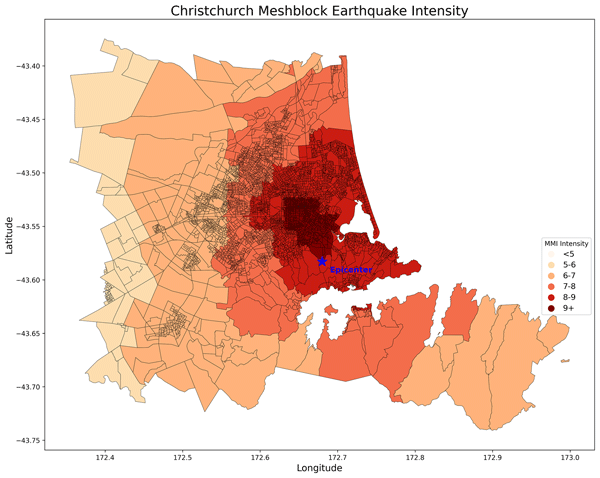
The impact of the Canterbury earthquakes on household income and expenditure in the Canterbury region in New Zealand
Nat. Hazards Earth Syst. Sci., 26, 4937–4975, 2026
13 Oct 2026
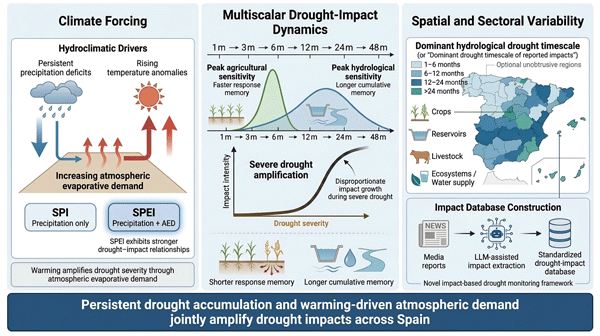
Multiscalar and nonlinear controls of drought impacts in Spain revealed by media-reported data
Nat. Hazards Earth Syst. Sci., 26, 4977–4996, 2026
14 Oct 2026
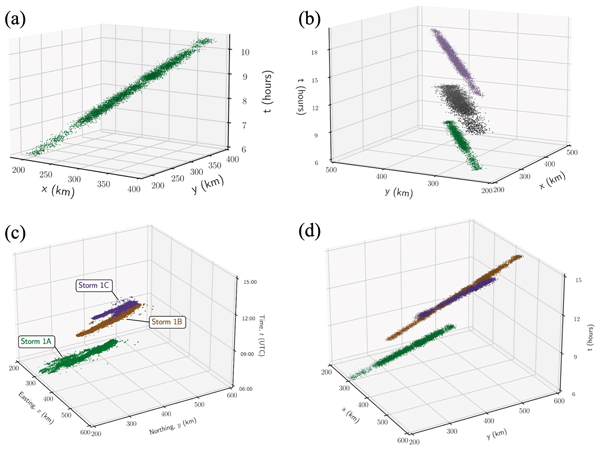
Characterisation and modelling of lightning strokes as point events in time and space
Nat. Hazards Earth Syst. Sci., 26, 4997–5033, 2026
14 Oct 2026
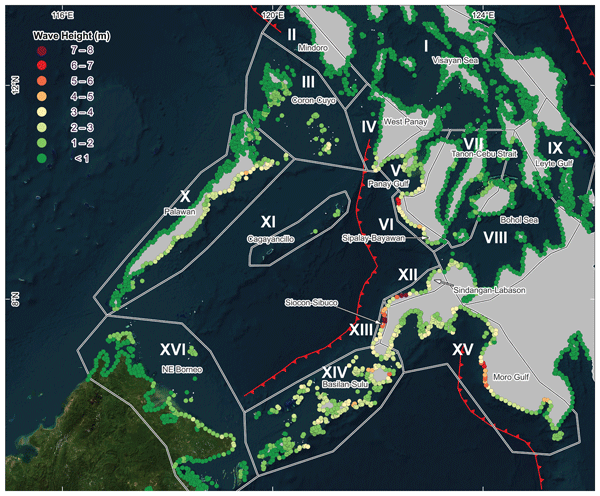
Seismic and tsunami hazard potential of the Negros–Sulu megathrust, Philippines
Nat. Hazards Earth Syst. Sci., 26, 5035–5055, 2026
15 Oct 2026
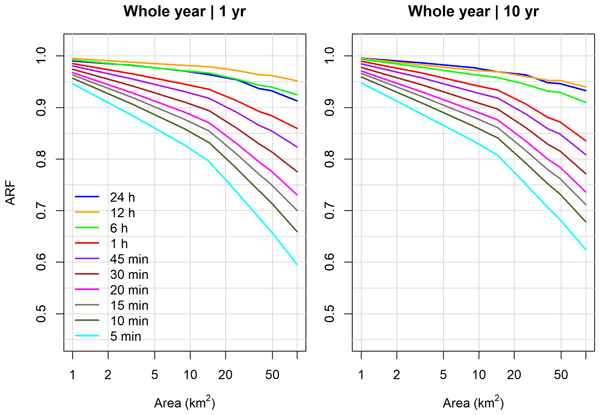
Areal reduction factors from high-resolution rain gauges in Austria
Nat. Hazards Earth Syst. Sci., 26, 5057–5071, 2026

16 Oct 2026
Review article: Mountain flash floods: from hazard formation to disaster risk reduction pathways
Nat. Hazards Earth Syst. Sci., 26, 5073–5102, 2026
19 Oct 2026
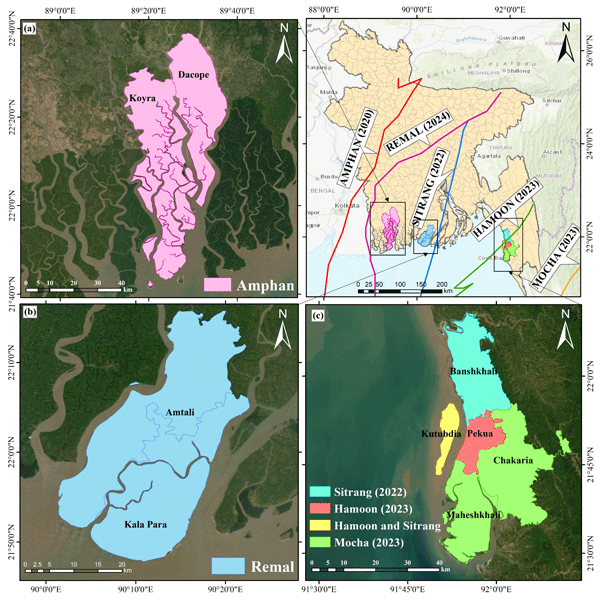
Application of radar remote sensing for cyclone damage mapping in Bangladesh: a coherence-based approach
Nat. Hazards Earth Syst. Sci., 26, 5103–5118, 2026
20 Oct 2026
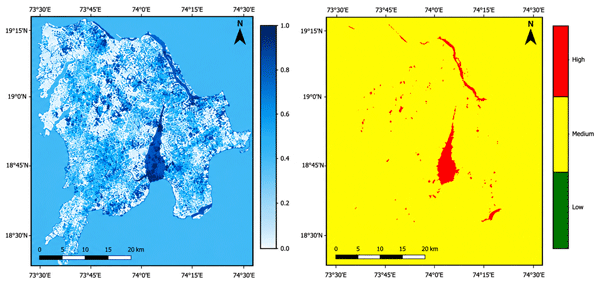
Hydrologically enhanced machine learning framework for urban flood inundation mapping using multi-sensor remote sensing data: a case study of Mumbai, India
Nat. Hazards Earth Syst. Sci., 26, 5119–5131, 2026