
Articles | Volume 26, issue 5
https://doi.org/10.5194/nhess-26-2031-2026
© Author(s) 2026. This work is distributed under
the Creative Commons Attribution 4.0 License.
the Creative Commons Attribution 4.0 License.
https://doi.org/10.5194/nhess-26-2031-2026
© Author(s) 2026. This work is distributed under
the Creative Commons Attribution 4.0 License.
the Creative Commons Attribution 4.0 License.
Research article
| 
08 May 2026
Research article |
| 08 May 2026
| 08 May 2026
Non-stationary dynamics of compound climate extremes: a WRF-CMIP6-GAMLSS framework for southeastern China
Yinchi Zhang
Key Laboratory for Humid Subtropical Eco-geographical Processes of the Ministry of Education, Fujian Normal University, Fuzhou, 350117, China
Institute of Geography, Fujian Normal University, Fuzhou, 350117, China
School of Geographical Science, Fujian Normal University, Fuzhou, 350117, China
Department of Geography and School of Global Studies, University of Sussex, Falmer, Brighton BN1 9RH, UK
Wanling Xu
School of Ocean and Earth Science, Tongji University, Shanghai, 200092, China
Chao Deng
Sichuan Academy of Forestry Sciences, Chengdu, 610081, China
State Key Laboratory of Severe Weather, Chinese Academy of Meteorological Sciences, Beijing, 100081, China
Miaomiao Ma
China Institute of Water Resources and Hydropower Research, Beijing, 100038, China
Jianhui Wei
Institute of Meteorology and Climate Research (IMKIFU), Karlsruhe Institute of Technology, Campus Alpin, Garmisch-Partenkirchen, Germany
Ying Chen
Key Laboratory for Humid Subtropical Eco-geographical Processes of the Ministry of Education, Fujian Normal University, Fuzhou, 350117, China
Institute of Geography, Fujian Normal University, Fuzhou, 350117, China
School of Geographical Science, Fujian Normal University, Fuzhou, 350117, China
Fujian Provincial Engineering Research Center for Monitoring and Accessing Terrestrial Disasters, Fujian Normal University, Fuzhou, 350117, China
Department of Geography and School of Global Studies, University of Sussex, Falmer, Brighton BN1 9RH, UK

Key Laboratory for Humid Subtropical Eco-geographical Processes of the Ministry of Education, Fujian Normal University, Fuzhou, 350117, China
Institute of Geography, Fujian Normal University, Fuzhou, 350117, China
School of Geographical Science, Fujian Normal University, Fuzhou, 350117, China
Fujian Provincial Engineering Research Center for Monitoring and Accessing Terrestrial Disasters, Fujian Normal University, Fuzhou, 350117, China
Harald Kunstmann
Institute of Meteorology and Climate Research (IMKIFU), Karlsruhe Institute of Technology, Campus Alpin, Garmisch-Partenkirchen, Germany
Institute of Geography, University of Augsburg, Augsburg, 86159, Germany
Centre for Climate Resilience, University of Augsburg, Augsburg, 86159, Germany
Related authors
No articles found.
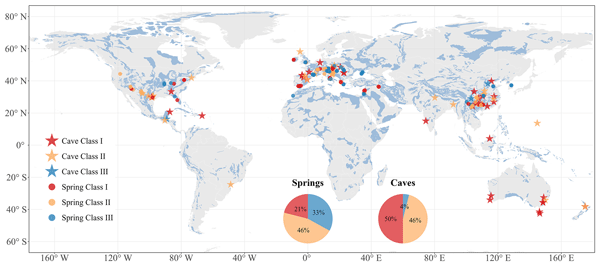
Yining Zang, Pauline C. Treble, Kei Yoshimura, Jayson Gabriel Pinza, Fengbo Zhang, Kübra Özdemir Çallı, Xiaojun Mei, Admin Husic, Alena Gessert, Andrej Stroj, Bartolomé Andreo, Bernard Ladouche, Christine Stumpp, Diana Mance, Eleni Zagana, Fen Huang, Giuseppe Sappa, Harald Kunstmann, Heike Brielmann, Hong Zhou, Huaying Wu, Jakob Garvelmann, James Berglund, Jean-Baptiste Charlier, Jens Lange, Juan Antonio Barberá Fornell, Junbing Pu, Konstantina Katsanou, Kun Ren, Laura Toran, Laurence Gill, Maria Filippini, Martin Kralik, Matías Mudarra Martínez, Min Zhao, Mingming Luo, Nico Goldscheider, Nikolaos Lambrakis, Pantaleone De Vita, Qiong Xiao, Shi Yu, Silvia Iacurto, Silvio Coda, Ted McCormack, Vincenzo Allocca, W. George Darling, Walter D'Alessandro, Xulei Guo, Yundi Hu, Zhijun Wang, Eva Kaminsky, Jiří Faimon, Marek Lang, Pavel Pracný, Aurel Persoiu, and Andreas Hartmann
Earth Syst. Sci. Data, 18, 7199–7225, https://doi.org/10.5194/essd-18-7199-2026, https://doi.org/10.5194/essd-18-7199-2026, 2026
Short summary
Short summary
We developed the first global database of water from karst springs and cave drips that records different forms of oxygen and hydrogen, which naturally trace how rainwater moves through rocks. By gathering and checking thousands of measurements from around the globe and linking them with flow and rainfall data, the database provides a comprehensive view of water movement, allows scientists to compare regions, understand groundwater processes, and support sustainable water management worldwide.
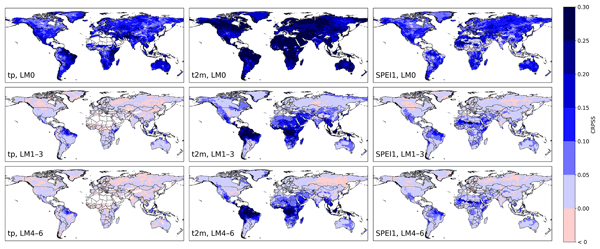
Jan N. Weber, Christof Lorenz, Tanja C. Schober, Rebecca Wiegels, and Harald Kunstmann
Earth Syst. Sci. Data, 18, 5259–5282, https://doi.org/10.5194/essd-18-5259-2026, https://doi.org/10.5194/essd-18-5259-2026, 2026
Short summary
Short summary
Seasonal forecasts can support drought preparedness but are often limited by systematic biases. We present a global Bias-Corrected and Spatially Disaggregated (BCSD) reference dataset based on the European Centre for Medium-Range Weather Forecasts (ECMWF) Seasonal Forecasting System 5 (SEAS5) and observational data. It provides 0.25° global land forecasts from 1981 onward for improved drought and climate-impact applications and is openly available via the World Data Center for Climate.
Luitpold Hingerl, Samuel Guug, Jan Bliefernicht, Hawwa Kadum, Souleymane Sy, Windmanagda Sawadogo, Emmanuel Quansah, Francis E. Oussou, Leonard Amekudzi, Seyni Salack, Belko Abdul-Aziz Diallo, Michael Ayamba, Emmanuel Ramde, Rainer Steinbrecher, Frank Neidli, and Harald Kunstmann
Earth Syst. Sci. Data Discuss., https://doi.org/10.5194/essd-2026-379, https://doi.org/10.5194/essd-2026-379, 2026
Preprint under review for ESSD
Short summary
Short summary
This paper presents a long-term environmental observation dataset from six sites in Burkina Faso and Ghana, providing measurements of exchanges of carbon, water, and energy between ecosystems and the atmosphere. The data were collected across different land-use types and processed using a consistent workflow to ensure quality and comparability. The openly available dataset supports climate research, environmental monitoring, and improved understanding of environmental change in West Africa.
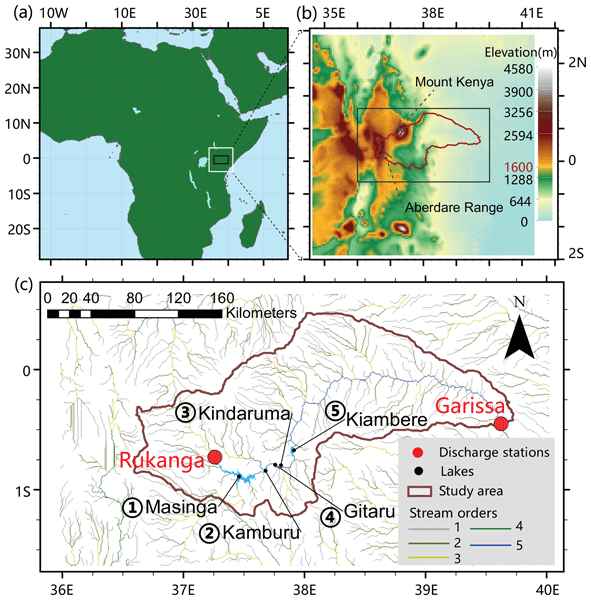
Ling Zhang, Lu Li, Zhongshi Zhang, Joël Arnault, Stefan Sobolowski, Xiaoling Chen, Jianzhong Lu, Anthony Musili Mwanthi, Pratik Kad, Mohammed Abdullahi Hassan, Tanja Portele, Harald Kunstmann, and Zhengkang Zuo
Hydrol. Earth Syst. Sci., 29, 4109–4132, https://doi.org/10.5194/hess-29-4109-2025, https://doi.org/10.5194/hess-29-4109-2025, 2025
Short summary
Short summary
To address challenges related to unreliable hydrological simulations, we present an enhanced hydrological simulation with a refined climate model and a more comprehensive hydrological model. The model with the two parts outperforms that without, especially in migrating bias in peak flow and dry-season flow. Our findings highlight the enhanced hydrological simulation capability, with the refined climate and lake module contributing 24 % and 76 % improvement, respectively.
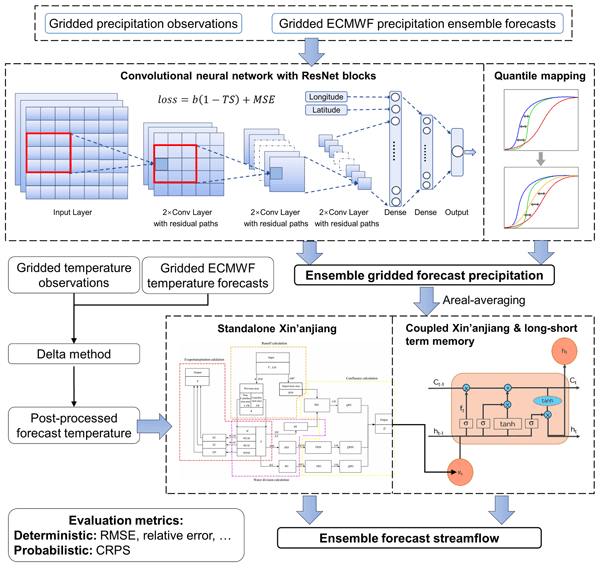
Ningpeng Dong, Haoran Hao, Mingxiang Yang, Jianhui Wei, Shiqin Xu, and Harald Kunstmann
Hydrol. Earth Syst. Sci., 29, 2023–2042, https://doi.org/10.5194/hess-29-2023-2025, https://doi.org/10.5194/hess-29-2023-2025, 2025
Short summary
Short summary
Hydrometeorological forecasting is crucial for managing water resources and mitigating extreme weather events, yet current long-term forecast products are often embedded with uncertainties. We develop a deep-learning-based modelling framework to improve 30 d rainfall and streamflow forecasts by combining advanced neural networks and physical models. With the flow forecast error reduced by up to 33 %, the framework has the potential to enhance water management and disaster prevention.
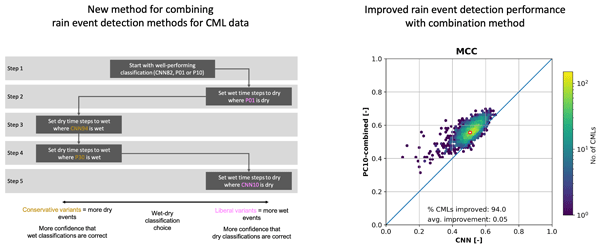
Maximilian Graf, Andreas Wagner, Julius Polz, Llorenç Lliso, José Alberto Lahuerta, Harald Kunstmann, and Christian Chwala
Atmos. Meas. Tech., 17, 2165–2182, https://doi.org/10.5194/amt-17-2165-2024, https://doi.org/10.5194/amt-17-2165-2024, 2024
Short summary
Short summary
Commercial microwave links (CMLs) can be used for rainfall retrieval. The detection of rainy periods in their attenuation time series is a crucial processing step. We investigate the usage of rainfall data from MSG SEVIRI for this task, compare this approach with existing methods, and introduce a novel combined approach. The results show certain advantages for SEVIRI-based methods, particularly for CMLs where existing methods perform poorly. Our novel combination yields the best performance.
Patrick Olschewski, Qi Sun, Jianhui Wei, Yu Li, Zhan Tian, Laixiang Sun, Joël Arnault, Tanja C. Schober, Brian Böker, Harald Kunstmann, and Patrick Laux
Hydrol. Earth Syst. Sci. Discuss., https://doi.org/10.5194/hess-2024-95, https://doi.org/10.5194/hess-2024-95, 2024
Revised manuscript not accepted
Short summary
Short summary
There are indications that typhoon intensities may increase under global warming. However, further research on these projections and their uncertainties is necessary. We study changes in typhoon intensity under SSP5-8.5 for seven events affecting the Pearl River Delta using Pseudo-Global Warming and a storyline approach based on 16 CMIP6 models. Results show intensified wind speed, sea level pressure drop and precipitation levels for six events with amplified increases for individual storylines.
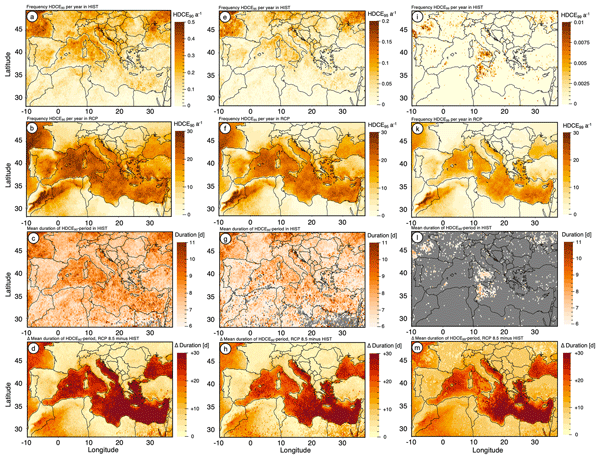
Patrick Olschewski, Mame Diarra Bousso Dieng, Hassane Moutahir, Brian Böker, Edwin Haas, Harald Kunstmann, and Patrick Laux
Nat. Hazards Earth Syst. Sci., 24, 1099–1134, https://doi.org/10.5194/nhess-24-1099-2024, https://doi.org/10.5194/nhess-24-1099-2024, 2024
Short summary
Short summary
We applied a multivariate and dependency-preserving bias correction method to climate model output for the Greater Mediterranean Region and investigated potential changes in false-spring events (FSEs) and heat–drought compound events (HDCEs). Results project an increase in the frequency of FSEs in middle and late spring as well as increases in frequency, intensity, and duration for HDCEs. This will potentially aggravate the risk of crop loss and failure and negatively impact food security.
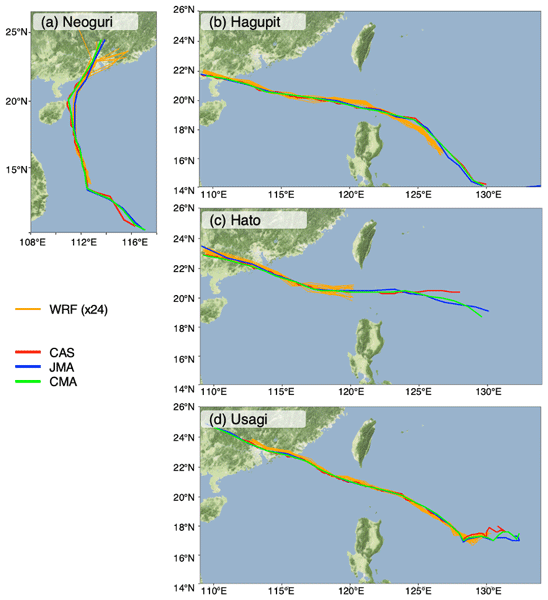
Qi Sun, Patrick Olschewski, Jianhui Wei, Zhan Tian, Laixiang Sun, Harald Kunstmann, and Patrick Laux
Hydrol. Earth Syst. Sci., 28, 761–780, https://doi.org/10.5194/hess-28-761-2024, https://doi.org/10.5194/hess-28-761-2024, 2024
Short summary
Short summary
Tropical cyclones (TCs) often cause high economic loss due to heavy winds and rainfall, particularly in densely populated regions such as the Pearl River Delta (China). This study provides a reference to set up regional climate models for TC simulations. They contribute to a better TC process understanding and assess the potential changes and risks of TCs in the future. This lays the foundation for hydrodynamical modelling, from which the cities' disaster management and defence could benefit.
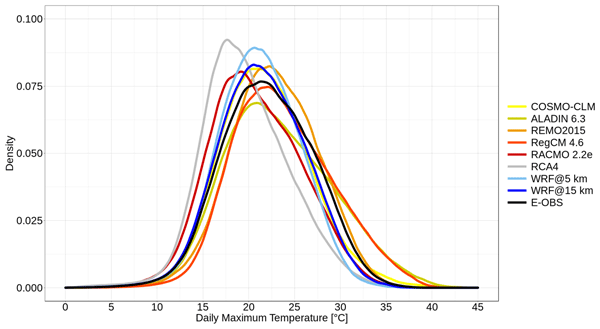
Dragan Petrovic, Benjamin Fersch, and Harald Kunstmann
Nat. Hazards Earth Syst. Sci., 24, 265–289, https://doi.org/10.5194/nhess-24-265-2024, https://doi.org/10.5194/nhess-24-265-2024, 2024
Short summary
Short summary
The influence of model resolution and settings on the reproduction of heat waves in Germany between 1980–2009 is analyzed. Outputs from a high-resolution model with settings tailored to the target region are compared to those from coarser-resolution models with more general settings. Neither the increased resolution nor the tailored model settings are found to add significant value to the heat wave simulation. The models exhibit a large spread, indicating that the choice of model can be crucial.
Mohsen Soltani, Bert Hamelers, Abbas Mofidi, Christopher G. Fletcher, Arie Staal, Stefan C. Dekker, Patrick Laux, Joel Arnault, Harald Kunstmann, Ties van der Hoeven, and Maarten Lanters
Earth Syst. Dynam., 14, 931–953, https://doi.org/10.5194/esd-14-931-2023, https://doi.org/10.5194/esd-14-931-2023, 2023
Short summary
Short summary
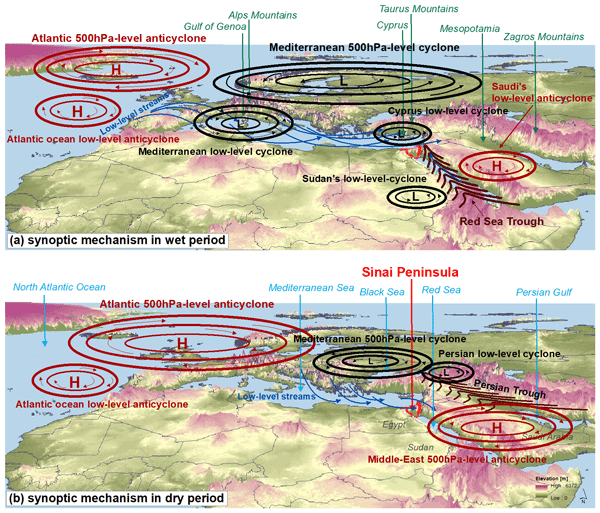
The temporal changes and spatial patterns in precipitation events do not show a homogeneous tendency across the Sinai Peninsula. Mediterranean cyclones accompanied by the Red Sea and Persian troughs are responsible for the majority of Sinai's extreme rainfall events. Cyclone tracking captures 156 cyclones (rainfall ≥10 mm d-1) either formed within or transferred to the Mediterranean basin precipitating over Sinai.
Efi Rousi, Andreas H. Fink, Lauren S. Andersen, Florian N. Becker, Goratz Beobide-Arsuaga, Marcus Breil, Giacomo Cozzi, Jens Heinke, Lisa Jach, Deborah Niermann, Dragan Petrovic, Andy Richling, Johannes Riebold, Stella Steidl, Laura Suarez-Gutierrez, Jordis S. Tradowsky, Dim Coumou, André Düsterhus, Florian Ellsäßer, Georgios Fragkoulidis, Daniel Gliksman, Dörthe Handorf, Karsten Haustein, Kai Kornhuber, Harald Kunstmann, Joaquim G. Pinto, Kirsten Warrach-Sagi, and Elena Xoplaki
Nat. Hazards Earth Syst. Sci., 23, 1699–1718, https://doi.org/10.5194/nhess-23-1699-2023, https://doi.org/10.5194/nhess-23-1699-2023, 2023
Short summary
Short summary
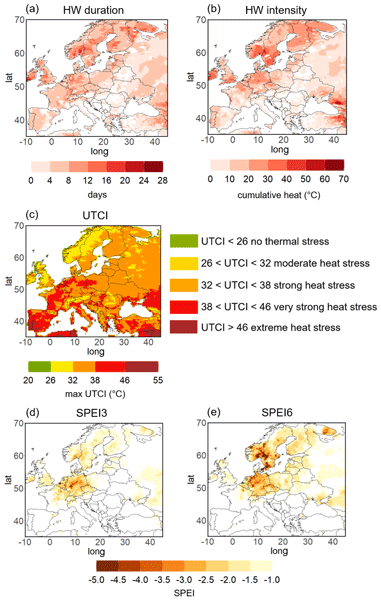
The objective of this study was to perform a comprehensive, multi-faceted analysis of the 2018 extreme summer in terms of heat and drought in central and northern Europe, with a particular focus on Germany. A combination of favorable large-scale conditions and locally dry soils were related with the intensity and persistence of the events. We also showed that such extremes have become more likely due to anthropogenic climate change and might occur almost every year under +2 °C of global warming.
Dragan Petrovic, Benjamin Fersch, and Harald Kunstmann
Nat. Hazards Earth Syst. Sci., 22, 3875–3895, https://doi.org/10.5194/nhess-22-3875-2022, https://doi.org/10.5194/nhess-22-3875-2022, 2022
Short summary
Short summary
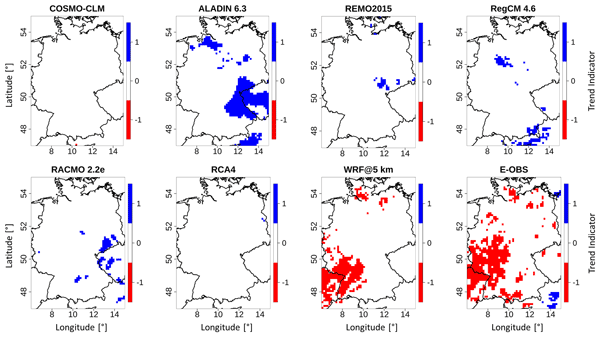
The influence of model resolution and settings on drought reproduction in Germany between 1980–2009 is investigated here. Outputs from a high-resolution model with settings tailored to the target region are compared to those from coarser-resolution models with more general settings. Gridded observational data sets serve as reference. Regarding the reproduction of drought characteristics, all models perform on a similar level, while for trends, only the modified model produces reliable outputs.
Benjamin Fersch, Andreas Wagner, Bettina Kamm, Endrit Shehaj, Andreas Schenk, Peng Yuan, Alain Geiger, Gregor Moeller, Bernhard Heck, Stefan Hinz, Hansjörg Kutterer, and Harald Kunstmann
Earth Syst. Sci. Data, 14, 5287–5307, https://doi.org/10.5194/essd-14-5287-2022, https://doi.org/10.5194/essd-14-5287-2022, 2022
Short summary
Short summary
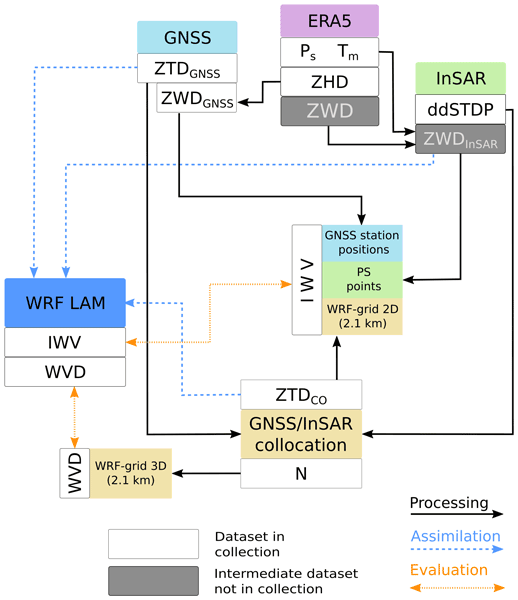
In this study, a comprehensive multi-disciplinary dataset for tropospheric water vapor was developed. Geodetic, photogrammetric, and atmospheric modeling and data fusion techniques were used to obtain maps of water vapor in a high spatial and temporal resolution. It could be shown that regional weather simulations for different seasons benefit from assimilating these maps and that the combination of the different observation techniques led to positive synergies.
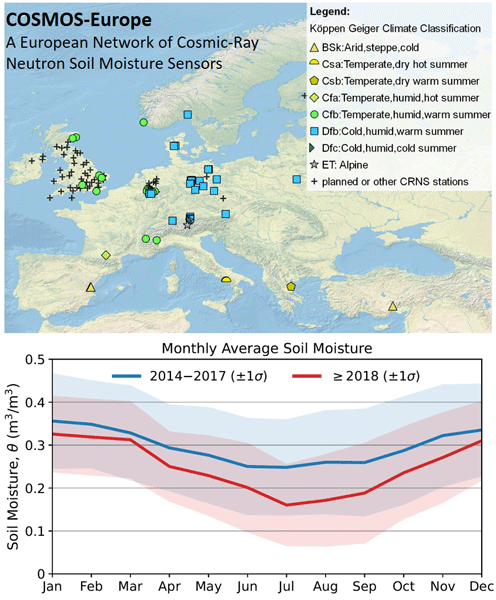
Heye Reemt Bogena, Martin Schrön, Jannis Jakobi, Patrizia Ney, Steffen Zacharias, Mie Andreasen, Roland Baatz, David Boorman, Mustafa Berk Duygu, Miguel Angel Eguibar-Galán, Benjamin Fersch, Till Franke, Josie Geris, María González Sanchis, Yann Kerr, Tobias Korf, Zalalem Mengistu, Arnaud Mialon, Paolo Nasta, Jerzy Nitychoruk, Vassilios Pisinaras, Daniel Rasche, Rafael Rosolem, Hami Said, Paul Schattan, Marek Zreda, Stefan Achleitner, Eduardo Albentosa-Hernández, Zuhal Akyürek, Theresa Blume, Antonio del Campo, Davide Canone, Katya Dimitrova-Petrova, John G. Evans, Stefano Ferraris, Félix Frances, Davide Gisolo, Andreas Güntner, Frank Herrmann, Joost Iwema, Karsten H. Jensen, Harald Kunstmann, Antonio Lidón, Majken Caroline Looms, Sascha Oswald, Andreas Panagopoulos, Amol Patil, Daniel Power, Corinna Rebmann, Nunzio Romano, Lena Scheiffele, Sonia Seneviratne, Georg Weltin, and Harry Vereecken
Earth Syst. Sci. Data, 14, 1125–1151, https://doi.org/10.5194/essd-14-1125-2022, https://doi.org/10.5194/essd-14-1125-2022, 2022
Short summary
Short summary
Monitoring of increasingly frequent droughts is a prerequisite for climate adaptation strategies. This data paper presents long-term soil moisture measurements recorded by 66 cosmic-ray neutron sensors (CRNS) operated by 24 institutions and distributed across major climate zones in Europe. Data processing followed harmonized protocols and state-of-the-art methods to generate consistent and comparable soil moisture products and to facilitate continental-scale analysis of hydrological extremes.
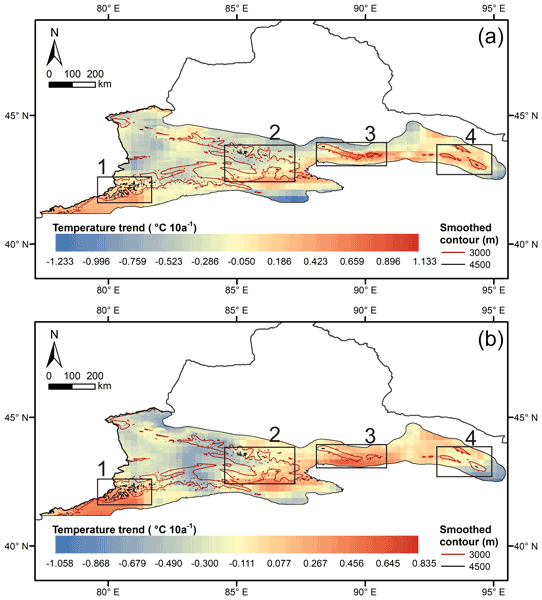
Lu Gao, Haijun Deng, Xiangyong Lei, Jianhui Wei, Yaning Chen, Zhongqin Li, Miaomiao Ma, Xingwei Chen, Ying Chen, Meibing Liu, and Jianyun Gao
The Cryosphere, 15, 5765–5783, https://doi.org/10.5194/tc-15-5765-2021, https://doi.org/10.5194/tc-15-5765-2021, 2021
Short summary
Short summary
There is a widespread controversy on the existence of the elevation-dependent warming (EDW) phenomenon due to the limited observations in high mountains. This study provides new evidence of EDW from the Chinese Tian Shan based on a high-resolution (1 km, 6-hourly) air temperature dataset. The result reveals the significant EDW on a monthly scale. The warming rate of the minimum temperature in winter showed a significant elevation dependence (p < 0.01), especially above 3000 m.
Cited articles
Abdelmoaty, H. M. and Papalexiou, S. M.: Changes of Extreme Precipitation in CMIP6 Projections: Should We Use Stationary or Nonstationary Models, J. Climate, 36, 2999–3014, https://doi.org/10.1175/JCLI-D-22-0467.1, 2023.
Akaike, H.: A new look at the statistical model identification, IEEE Trans. Automat. Control, 19, 716–723, https://doi.org/10.1109/TAC.1974.1100705, 1974
Ali, H., Fowler, H. J., Lenderink, G., Lewis, E., and Pritchard, D.: Consistent Large-Scale Response of Hourly Extreme Precipitation to Temperature Variation Over Land, Geophys. Res. Lett., 48, e2020GL090317, https://doi.org/10.1029/2020GL090317, 2021.
An, X., Sun, S., Ma, Q., Wu, H., Li, D., and Wu, W.: Elucidating the Varied Characteristics of Compound Hot–Drought from Two Distinctive Extreme Events in the Yangtze River Valley, Int. J. Climatol., 45, e8809, https://doi.org/10.1002/joc.8809, 2025.
Arakawa, A. and Jung, J.-H.: Multiscale modeling of the moist-convective atmosphere – A review, Atmos. Res., 102, 263–285, https://doi.org/10.1016/j.atmosres.2011.08.009, 2011.
Arnault, J., Jung, G., Haese, B., Fersch, B., Rummler, T., Wei, J., Zhang, Z., and Kunstmann, H.: A Joint Soil-Vegetation-Atmospheric Modeling Procedure of Water Isotopologues: Implementation and Application to Different Climate Zones With WRF-Hydro-Iso, J. Adv. Model Earth Sy., 13, https://doi.org/10.1029/2021MS002562, 2021.
Asadieh, B. and Krakauer, N. Y.: Global change in streamflow extremes under climate change over the 21st century, Hydrol. Earth Syst. Sci., 21, 5863–5874, https://doi.org/10.5194/hess-21-5863-2017, 2017.
Bevacqua, E., Zappa, G., Lehner, F., and Zscheischler, J.: Precipitation trends determine future occurrences of compound hot–dry events, Nat. Clim. Change, 12, 350–355, https://doi.org/10.1038/s41558-022-01309-5, 2022.
Byun, K. and Hamlet, A. F.: A risk-based analytical framework for quantifying non-stationary flood risks and establishing infrastructure design standards in a changing environment, J. Hydrol., 584, 124575, https://doi.org/10.1016/j.jhydrol.2020.124575, 2020.
Byun, U., Chang, E., Kim, J., Ahn, J., Cha, D., Min, S., and Byun, Y.: Investigation of Added Value in Regional Climate Models for East Asian Storm Track Analysis, J. Geophys. Res.-Atmos., 128, e2023JD039167, https://doi.org/10.1029/2023JD039167, 2023.
Chen, S.-H. and Sun, W.-Y.: A One-dimensional Time Dependent Cloud Model, J. Meteorol. Soc. Jpn., 80, 99–118, https://doi.org/10.2151/jmsj.80.99, 2002.
Cheng, L., AghaKouchak, A., Gilleland, E., and Katz, R. W.: Non-stationary extreme value analysis in a changing climate, Climatic Change, 127, 353–369, https://doi.org/10.1007/s10584-014-1254-5, 2014.
Croitoru, A.-E., Piticar, A., Ciupertea, A.-F., and Roşca, C. F.: Changes in heat waves indices in Romania over the period 1961–2015, Global Planet. Change, 146, 109–121, https://doi.org/10.1016/j.gloplacha.2016.08.016, 2016.
Dou, Z., Liu, B., Henderson, M., Zhou, W., Ma, R., Chen, M., and Zhang, Z.: Changes in Timing and Precipitation of the East Asian Summer Monsoon over China Between 1960 and 2017, Earth, 6, 24, https://doi.org/10.3390/earth6020024, 2025.
Du, H., Donat, M. G., Zong, S., Alexander, L. V., Manzanas, R., Kruger, A., Choi, G., Salinger, J., He, H. S., Li, M.-H., Fujibe, F., Nandintsetseg, B., Rehman, S., Abbas, F., Rusticucci, M., Srivastava, A., Zhai, P., Lippmann, T., Yabi, I., Stambaugh, M. C., Wang, S., Batbold, A., Oliveira, P. T. D., Adrees, M., Hou, W., Silva, C. M. S. E., Lucio, P. S., and Wu, Z.: Extreme Precipitation on Consecutive Days Occurs More Often in a Warming Climate, B. Am. Meteor. Soc., 103, E1130–E1145, https://doi.org/10.1175/BAMS-D-21-0140.1, 2022.
Duan, R., Huang, G., Wang, F., Tian, C., and Wu, X.: Observations Over a Century Underscore an Increasing Likelihood of Compound Dry-Hot Events in China, Earth's Future, 12, e2024EF004546, https://doi.org/10.1029/2024EF004546, 2024.
Dudhia, J.: Numerical Study of Convection Observed during the Winter Monsoon Experiment Using a Mesoscale Two-Dimensional Model, J. Atmos. Sci., 46, 3077–3107, https://doi.org/10.1175/1520-0469(1989)046<3077:NSOCOD>2.0.CO;2, 1989.
Fang, P., Wang, T., Yang, D., Tang, L., and Yang, Y.: Substantial increases in compound climate extremes and associated socio-economic exposure across China under future climate change, npj Clim. Atmos Sci., 8, 17, https://doi.org/10.1038/s41612-025-00910-7, 2025.
Feng, Y., Shi, P., Qu, S., Mou, S., Chen, C., and Dong, F.: Nonstationary flood coincidence risk analysis using time-varying copula functions, Sci. Rep., 10, 3395, https://doi.org/10.1038/s41598-020-60264-3, 2020.
Filliben, J. J.: The Probability Plot Correlation Coefficient Test for Normality, Technometrics, 17, 111–117, https://doi.org/10.1080/00401706.1975.10489279, 1975.
Fowler, H. J., Lenderink, G., Prein, A. F., Westra, S., Allan, R. P., Ban, N., Barbero, R., Berg, P., Blenkinsop, S., Do, H. X., Guerreiro, S., Haerter, J. O., Kendon, E. J., Lewis, E., Schaer, C., Sharma, A., Villarini, G., Wasko, C., and Zhang, X.: Anthropogenic intensification of short-duration rainfall extremes, Nat. Rev. Earth Environ., 2, 107–122, https://doi.org/10.1038/s43017-020-00128-6, 2021.
Gan, B., Liu, M., Cui, H., Chen, X., Chen, Y., Gao, L., and Deng, H.: Spatiotemporal patterns and propagation of meteorological and hydrological drought in a humid basin of Southeast China, Sci. Rep., 15, 31720, https://doi.org/10.1038/s41598-025-17005-1, 2025.
Gao, L., Huang, J., Chen, X., Chen, Y., and Liu, M.: Contributions of natural climate changes and human activities to the trend of extreme precipitation, Atmos. Res., 205, 60–69, https://doi.org/10.1016/j.atmosres.2018.02.006, 2018.
Geng, K., Chen, X., Zheng, M., Gao, Y., Gu, Z., and Yao, H.: The influence of human activities on rainfall-runoff relationships at different time scales in the Minjiang River Basin, Theor. Appl. Climatol., 155, 8435–8454, https://doi.org/10.1007/s00704-024-05124-0, 2024.
Gilbert, E., Pishniak, D., Torres, J. A., Orr, A., Maclennan, M., Wever, N., and Verro, K.: Extreme precipitation associated with atmospheric rivers over West Antarctic ice shelves: insights from kilometre-scale regional climate modelling, The Cryosphere, 19, 597–618, https://doi.org/10.5194/tc-19-597-2025, 2025.
Gillett, N. P., Kirchmeier-Young, M., Ribes, A., Shiogama, H., Hegerl, G. C., Knutti, R., Gastineau, G., John, J. G., Li, L., Nazarenko, L., Rosenbloom, N., Seland, Ø., Wu, T., Yukimoto, S., and Ziehn, T.: Constraining human contributions to observed warming since the pre-industrial period, Nat. Clim. Chang., 11, 207–212, https://doi.org/10.1038/s41558-020-00965-9, 2021.
Gimeno, L., Sorí, R., Vázquez, M., Stojanovic, M., Algarra, I., Eiras-Barca, J., Gimeno-Sotelo, L., and Nieto, R.: Extreme precipitation events, WIREs Water, 9, e1611, https://doi.org/10.1002/wat2.1611, 2022.
Guo, J., Wang, X., Fan, Y., Liang, X., Jia, H., and Liu, L.: How Extreme Events in China Would Be Affected by Global Warming – Insights From a Bias-Corrected CMIP6 Ensemble, Earth's Future, 11, e2022EF003347, https://doi.org/10.1029/2022EF003347, 2023.
Gutmann, E. D., Rasmussen, R. M., Liu, C., Ikeda, K., Gochis, D. J., Clark, M. P., Dudhia, J., and Thompson, G.: A Comparison of Statistical and Dynamical Downscaling of Winter Precipitation over Complex Terrain, J. Climate, 25, 262–281, https://doi.org/10.1175/2011JCLI4109.1, 2012.
Hariharan Sudha, S., Ragno, E., Morales-Nápoles, O., and Kok, M.: Investigating meteorological wet and dry transitions in the Dutch Meuse River basin, Front. Water, 6, 1394563, https://doi.org/10.3389/frwa.2024.1394563, 2024.
He, K., Chen, X., Zhou, J., Zhao, D., and Yu, X.: Compound successive dry-hot and wet extremes in China with global warming and urbanization, J. Hydrol., 636, 131332, https://doi.org/10.1016/j.jhydrol.2024.131332, 2024.
Hong, S.-Y., Noh, Y., and Dudhia, J.: A New Vertical Diffusion Package with an Explicit Treatment of Entrainment Processes, Mon. Weather Rev., 134, 2318–2341, https://doi.org/10.1175/MWR3199.1, 2006.
Horton, R. M., Mankin, J. S., Lesk, C., Coffel, E., and Raymond, C.: A Review of Recent Advances in Research on Extreme Heat Events, Curr. Clim. Change Rep., 2, 242–259, https://doi.org/10.1007/s40641-016-0042-x, 2016.
Huang, Y., Xue, M., Hu, X., Martin, E., Novoa, H. M., McPherson, R. A., Liu, C., Chen, M., Hong, Y., Perez, A., Morales, I. Y., Ticona Jara, J. L., and Flores Luna, A. J.: Increasing frequency and precipitation intensity of convective storms in the Peruvian Central Andes: Projections from convection-permitting regional climate simulations, Q. J. Roy. Meteor. Soc., 150, 4371–4390, https://doi.org/10.1002/qj.4820, 2024.
Imran, H. M. and Evans, J. P.: Observational uncertainty in the added value of regional climate modelling over Australia, Clim. Dynam., 63, 73, https://doi.org/10.1007/s00382-024-07562-y, 2025.
IPCC: Weather and climate extreme events in a changing climate. In climate change: The physical science basis, Contribution of Working Group I to the Sixth Assessment Report of the Intergovernmental Panel on Climate Change, Cambridge University Press, Cambridge, United Kingdom and New York, NY, USA, 1513–1766, https://doi.org/10.1017/9781009157896.013, 2021.
Jamal, K., Li, X., Chen, Y., Rizwan, M., Khan, M. A., Syed, Z., and Mahmood, P.: Bias correction and projection of temperature over the altitudes of the Upper Indus Basin under CMIP6 climate scenarios from 1985 to 2100, J. Water Clim. Change, 14, 2490–2514, https://doi.org/10.2166/wcc.2023.180, 2023.
Jia, N., Cheng, J., Li, Y., Zheng, L., Song, W., Chen, R., and Zhu, A.: China's Yangtze River drought: A cascade of impacts from mountains to sea, Sci. China Earth Sci., 68, 957–962, https://doi.org/10.1007/s11430-024-1521-3, 2025.
Jiang, Q., Li, W., Fan, Z., He, X., Sun, W., Chen, S., Wen, J., Gao, J., and Wang, J.: Evaluation of the ERA5 reanalysis precipitation dataset over Chinese Mainland, J. Hydrol., 595, 125660, https://doi.org/10.1016/j.jhydrol.2020.125660, 2021.
Jiang, Y. and Wang, G.: Soil Moisture Dominates the Land Surface Feedback in the Development of Compound Drought–Heat Extremes in Tropical South America, J. Hydrometeorol., 25, 1649–1664, https://doi.org/10.1175/JHM-D-24-0005.1, 2024.
Kramer, R. J., He, H., Soden, B. J., Oreopoulos, L., Myhre, G., Forster, P. M., and Smith, C. J.: Observational Evidence of Increasing Global Radiative Forcing, Geophys. Res. Lett., 48, e2020GL091585, https://doi.org/10.1029/2020GL091585, 2021.
Lei, X., Gao, L., Ma, M., Wei, J., Xu, L., Wang, L., and Lin, H.: Does non-stationarity of extreme precipitation exist in the Poyang Lake Basin of China, J. Hydrol. Reg. Stud., 37, 100920, https://doi.org/10.1016/j.ejrh.2021.100920, 2021.
Li, Z., Ren, H.-L., Lu, M., and Zhou, F.: Interannual variations of westward extension area of western Pacific subtropical high and its relationship with precipitation in East Asia, Atmos. Res., 298, 107148, https://doi.org/10.1016/j.atmosres.2023.107148, 2024.
Lin, C., Kjellström, E., Wilcke, R. A. I., and Chen, D.: Present and future European heat wave magnitudes: climatologies, trends, and their associated uncertainties in GCM-RCM model chains, Earth Syst. Dynam., 13, 1197–1214, https://doi.org/10.5194/esd-13-1197-2022, 2022.
Lin, S., Zhang, Y., Sun, S., Guan, X., Jiang, C., and Gao, L.: Sensitivity study of WRF parameterization schemes and initial fields on simulation of rainstorm in the Minjiang River basin, Pearl River, 44, 35–46, https://https://doi.org/10.3969/j.issn.1001-9235.2023.10.004, 2023 (in Chinese).
Liu, H., Xiao, P., Zhang, X., Liang, Y., Tang, B., Chen, S., and Liu, Y.: Winter snowpack loss increases warm-season compound hot-dry extremes, Commun. Earth Environ., 5, 567, https://doi.org/10.1038/s43247-024-01734-8, 2024a.
Liu, Y., Chen, J., Xiong, L., and Xu, C.-Y.: Integrating heterogeneous information for modeling non-stationarity of extreme precipitation in the Yangtze River Basin, J. Hydrol., 645, 132159, https://doi.org/10.1016/j.jhydrol.2024.132159, 2024b.
Maity, S. S. and Maity, R.: Changing Pattern of Intensity–Duration–Frequency Relationship of Precipitation due to Climate Change, Water Resour. Manag., 36, 5371–5399, https://doi.org/10.1007/s11269-022-03313-y, 2022.
Miao, L., Ju, L., Sun, S., Agathokleous, E., Wang, Q., Zhu, Z., Liu, R., Zou, Y., Lu, Y., and Liu, Q.: Unveiling the dynamics of sequential extreme precipitation-heatwave compounds in China, npj Clim. Atmos. Sci., 7, 67, https://doi.org/10.1038/s41612-024-00613-5, 2024.
Mlawer, E. J., Taubman, S. J., Brown, P. D., Iacono, M. J., and Clough, S. A.: Radiative transfer for inhomogeneous atmospheres: RRTM, a validated correlated-k model for the longwave, J. Geophys. Res., 102, 16663–16682, https://doi.org/10.1029/97JD00237, 1997.
Mukherjee, S., Mishra, A. K., Zscheischler, J., and Entekhabi, D.: Interaction between dry and hot extremes at a global scale using a cascade modeling framework, Nat. Commun., 14, 277, https://doi.org/10.1038/s41467-022-35748-7, 2023.
Nerantzaki, S. D., Papalexiou, S. M., Rajulapati, C. R., and Clark, M. P.: Nonstationarity in High and Low-Temperature Extremes: Insights From a Global Observational Data Set by Merging Extreme-Value Methods, Earth's Future, 11, e2023EF003506, https://doi.org/10.1029/2023EF003506, 2023.
Niu, G.-Y., Yang, Z.-L., Mitchell, K. E., Chen, F., Ek, M. B., Barlage, M., Kumar, A., Manning, K., Niyogi, D., Rosero, E., Tewari, M., and Xia, Y.: The community Noah land surface model with multiparameterization options (Noah-MP): 1. Model description and evaluation with local-scale measurements, J. Geophys. Res., 116, D12109, https://doi.org/10.1029/2010JD015139, 2011.
Nordling, K., Fahrenbach, N. L. S., and Samset, B. H.: Climate variability can outweigh the influence of climate mean changes for extreme precipitation under global warming, Atmos. Chem. Phys., 25, 1659–1684, https://doi.org/10.5194/acp-25-1659-2025, 2025.
O'Gorman, P. A. and Muller, C. J.: How closely do changes in surface and column water vapor follow Clausius–Clapeyron scaling in climate change simulations, Environ. Res. Lett., 5, 025207, https://doi.org/10.1088/1748-9326/5/2/025207, 2010.
Park, J., Kim, H., Simon Wang, S.-Y., Jeong, J.-H., Lim, K.-S., LaPlante, M., and Yoon, J.-H.: Intensification of the East Asian summer monsoon lifecycle based on observation and CMIP6, Environ. Res. Lett., 15, 0940b9, https://doi.org/10.1088/1748-9326/ab9b3f, 2020.
Patel, R. N., Bonan, D. B., and Schneider, T.: Changes in the Frequency of Observed Temperature Extremes Largely Driven by a Distribution Shift, Geophys. Res. Lett., 51, e2024GL110707, https://doi.org/10.1029/2024GL110707, 2024.
Ragno, E., AghaKouchak, A., Cheng, L., and Sadegh, M.: A generalized framework for process-informed nonstationary extreme value analysis, Adv. Water Resour., 130, 270–282, https://doi.org/10.1016/j.advwatres.2019.06.007, 2019.
Rahimi, S., Huang, L., Norris, J., Hall, A., Goldenson, N., Risser, M., Feldman, D. R., Lebo, Z. J., Dennis, E., and Thackeray, C.: Understanding the Cascade: Removing GCM Biases Improves Dynamically Downscaled Climate Projections, Geophys. Res. Lett., 51, e2023GL106264, https://doi.org/10.1029/2023GL106264, 2024.
Ridder, N. N., Ukkola, A. M., Pitman, A. J., and Perkins-Kirkpatrick, S. E.: Increased occurrence of high impact compound events under climate change, npj Clim. Atmos. Sci., 5, https://doi.org/10.1038/s41612-021-00224-4, 2022.
Rigby, R. A. and Stasinopoulos, D. M.: Generalized Additive Models for Location, Scale and Shape, J. R. Stat. Soc. C-Appl., 54, 507–554, https://doi.org/10.1111/j.1467-9876.2005.00510.x, 2005.
Salarijazi, M., Ghorbani, K., Mohammadi, M., Ahmadianfar, I., Mohammadrezapour, O., Naser, M. H., and Yaseen, Z. M.: Spatial-temporal estimation of maximum temperature high returns periods for annual time series considering stationary/nonstationary approaches in Iran urban area, Urban Clim., 49, 101504, https://doi.org/10.1016/j.uclim.2023.101504, 2023.
Samset, B. H., Sand, M., Smith, C. J., Bauer, S. E., Forster, P. M., Fuglestvedt, J. S., Osprey, S., and Schleussner, C.-F.: Climate Impacts from a Removal of Anthropogenic Aerosol Emissions, Geophys. Res. Lett., 45, 1020–1029, https://doi.org/10.1002/2017GL076079, 2018.
Sauter, C., Fowler, H. J., Westra, S., Ali, H., Peleg, N., and White, C. J.: Compound extreme hourly rainfall preconditioned by heatwaves most likely in the mid-latitudes, Weather Clim. Extremes, 40, 100563, https://doi.org/10.1016/j.wace.2023.100563, 2023.
Shang, S., Arnault, J., Zhu, G., Chen, H., Wei, J., Zhang, K., Zhang, Z., Laux, P., and Kunstmann, H.: Recent Increase of Spring Precipitation over the Three-River Headwaters Region – Water Budget Analysis Based on Global Reanalysis (ERA5) and ET-Tagging Extended Regional Climate Modeling, J. Climate, 35, 7199–7217, https://doi.org/10.1175/JCLI-D-21-0829.1, 2022.
Shao, S., Zhang, H., Singh, V. P., Ding, H., Zhang, J., and Wu, Y.: Nonstationary analysis of hydrological drought index in a coupled human-water system: Application of the GAMLSS with meteorological and anthropogenic covariates in the Wuding River basin, China, J. Hydrol., 608, 127692, https://doi.org/10.1016/j.jhydrol.2022.127692, 2022.
Shu, Z., Jin, J., Zhang, J., Wang, G., Lian, Y., Liu, Y., Bao, Z., Guan, T., He, R., Liu, C., and Jing, P.: 1.5° and 2.0° of global warming intensifies the hydrological extremes in China, J. Hydrol., 635, 131229, https://doi.org/10.1016/j.jhydrol.2024.131229, 2024.
Singh, H., Najafi, M. R., and Cannon, A. J.: Characterizing non-stationary compound extreme events in a changing climate based on large-ensemble climate simulations, Clim. Dynam., 56, 1389–1405, https://doi.org/10.1007/s00382-020-05538-2, 2021.
Song, X., Zhang, J., Zou, X., Zhang, C., AghaKouchak, A., and Kong, F.: Changes in precipitation extremes in the Beijing metropolitan area during 1960–2012, Atmos. Res., 222, 134–153, https://doi.org/10.1016/j.atmosres.2019.02.006, 2019.
Stasinopoulos, D. M. and Rigby, R. A.: Generalized Additive Models for Location Scale and Shape (GAMLSS) in R, J. Stat. Soft., 23, https://doi.org/10.18637/jss.v023.i07, 2007.
Sun, F., Roderick, M. L., and Farquhar, G. D.: Rainfall statistics, stationarity, and climate change, P. Natl. Acad. Sci. USA, 115, 2305–2310, https://doi.org/10.1073/pnas.1705349115, 2018.
Sun, X., Tu, Y., Sun, S., Zhou, X., Jiang, L., Hao, X., Jiang, C., and Gao, L.: Identification and spatiotemporal characteristics of compound extreme climate events in the Minjiang River Basin. Water Resour. Hydropower Engineering, 56, 1–14, https://https://doi.org/10.13928/j.cnki.wrahe.2025.03.001, 2025 (in Chinese).
Talbot, C., Bou-Zeid, E., and Smith, J.: Nested Mesoscale Large-Eddy Simulations with WRF: Performance in Real Test Cases, J. Hydrometeorol., 13, 1421–1441, https://doi.org/10.1175/JHM-D-11-048.1, 2012.
Tapiador, F. J., Navarro, A., Moreno, R., Sánchez, J. L., and García-Ortega, E.: Regional climate models: 30 years of dynamical downscaling, Atmos. Res., 235, 104785, https://doi.org/10.1016/j.atmosres.2019.104785, 2020.
Tian, Y., Giaquinto, D., Di Capua, G., Claassen, J. N., Ali, J., Li, H., and De Michele, C.: Historical changes in the Causal Effect Networks of compound hot and dry extremes in central Europe, Commun. Earth Environ., 5, 764, https://doi.org/10.1038/s43247-024-01934-2, 2024.
Torrez-Rodriguez, L., Goubanova, K., Muñoz, C., and Montecinos, A.: Evaluation of temperature and precipitation from CORDEX-CORE South America and Eta-RCM regional climate simulations over the complex terrain of Subtropical Chile, Clim. Dynam., 61, 3195–3221, https://doi.org/10.1007/s00382-023-06730-w, 2023.
Van Der Wiel, K. and Bintanja, R.: Contribution of climatic changes in mean and variability to monthly temperature and precipitation extremes, Commun. Earth Environ., 2, https://doi.org/10.1038/s43247-020-00077-4, 2021.
Varga, Á. J. and Breuer, H.: Evaluation of convective parameters derived from pressure level and native ERA5 data and different resolution WRF climate simulations over Central Europe, Clim. Dynam., 58, 1569–1585, https://doi.org/10.1007/s00382-021-05979-3, 2022.
Wang, S., Chen, X., Yao, H., Ruan, W., Gu, Z., Li, X., Chen, Y., Liu, M., and Deng, H.: Separation and spatial variations of typhoon and non-typhoon rainfall at different timescales in typical region of southeast China, Int. J. Climatol., 44, 4611–4628, https://doi.org/10.1002/joc.8599, 2024.
Wu, H., Su, X., and Singh, V. P.: Increasing Risks of Future Compound Climate Extremes with Warming Over Global Land Masses, Earth's Future, 11, e2022EF003466, https://doi.org/10.1029/2022EF003466, 2023.
Wu, L. and Zheng, H.: Regional Climate Effects of Irrigation under Central Asia Warming by 2.0 ° C, Remote Sens., 15, 3672, https://doi.org/10.3390/rs15143672, 2023.
Wu, X., Hao, Z., Zhang, X., Li, C., and Hao, F.: Evaluation of severity changes of compound dry and hot events in China based on a multivariate multi-index approach, J. Hydrol., 583, 124580, https://doi.org/10.1016/j.jhydrol.2020.124580, 2020.
Xie, Y., Sun, W., Ren, M., Chen, S., Huang, Z., and Pan, X.: Stacking ensemble learning models for daily runoff prediction using 1D and 2D CNNs, Expert Syst. Appl., 217, 119469, https://doi.org/10.1016/j.eswa.2022.119469, 2023.
Xu, W., Liu, Z., Gao, L., Lei, X., and Zhang, Y.: Changes in Global Marine Heatwaves in a Non-stationary Climate, Geophys. Res. Lett., 52, e2024GL114497, https://doi.org/10.1029/2024GL114497, 2025.
Xu, Z., Han, Y., Tam, C.-Y., Yang, Z.-L., and Fu, C.: Bias-corrected CMIP6 global dataset for dynamical downscaling of the historical and future climate (1979–2100), Sci. Data, 8, 293, https://doi.org/10.1038/s41597-021-01079-3, 2021.
Yan, Y., Gao, L., Chen, R., Zhang, C., Ren, L., Zhang, X., and Chen, C.: Analysis of Disaster and Damage Process Caused by No. 2305 “Doksuri” Typhoon Disaster Chain in Fuzhou City, J. Catastrophology, 39, 228–234, https://doi.org/10.3969/j.issn.1000-811X.2024.04.033, 2024 (in Chinese).
Yang, T., Chen, X., Hamdi, R., Li, Q., Cui, F., Li, L., Liu, Y., De Maeyer, P., and Duan, W.: Assessment of snow simulation using Noah-MP land surface model forced by various precipitation sources in the Central Tianshan Mountains, Central Asia, Atmos. Res., 300, 107251, https://doi.org/10.1016/j.atmosres.2024.107251, 2024.
Yao, H., Zhao, L., He, Y., Dong, W., Shen, X., Wang, J., Hu, Y., Ling, J., Xiao, Z., and Huang, C.: Changes caused by human activities in the high health-risk hot-dry and hot-wet events in China, Commun. Earth Environ., 5, 464, https://doi.org/10.1038/s43247-024-01625-y, 2024.
Yin, C., Ting, M., Kornhuber, K., Horton, R. M., Yang, Y., and Jiang, Y.: CETD, a global compound events detection and visualisation toolbox and dataset, Sci. Data, 12, 356, https://doi.org/10.1038/s41597-025-04530-x, 2025.
Yin, H., Zhang, X., Wang, F., Zhang, Y., Xia, R., and Jin, J.: Rainfall-runoff modeling using LSTM-based multi-state-vector sequence-to-sequence model, J. Hydrol., 598, 126378, https://doi.org/10.1016/j.jhydrol.2021.126378, 2021.
You, J., Yin, F., and Gao, L.: Escalating wind power shortages during heatwaves, Commun. Earth Environ., 6, 245, https://doi.org/10.1038/s43247-025-02239-8, 2025.
Zeng, J., Zhang, S., Zhou, S., Obulkasim, O., Zhang, H., Lu, X., and Dai, Y.: Comparison of the risks and drivers of compound hot-dry and hot-wet extremes in a warming world, Environ. Res. Lett., 19, 114026, https://doi.org/10.1088/1748-9326/ad7617, 2024.
Zhang, C., Wang, Y., and Hamilton, K.: Improved Representation of Boundary Layer Clouds over the Southeast Pacific in ARW-WRF Using a Modified Tiedtke Cumulus Parameterization Scheme, Mon. Weather Rev., 139, 3489–3513, https://doi.org/10.1175/MWR-D-10-05091.1, 2011.
Zhang, M., Han, Y., Xu, Z., and Guo, W.: Assessing Climate Extremes in Dynamical Downscaling Simulations Driven by a Novel Bias-Corrected CMIP6 Data, J. Geophys. Res.-Atmos., 129, e2024JD041253, https://doi.org/10.1029/2024JD041253, 2024.
Zhang, W., Luo, M., Gao, S., Chen, W., Hari, V., and Khouakhi, A.: Compound Hydrometeorological Extremes: Drivers, Mechanisms and Methods, Front. Earth Sci., 9, 673495, https://doi.org/10.3389/feart.2021.673495, 2021a.
Zhang, W., Furtado, K., Wu, P., Zhou, T., Chadwick, R., Marzin, C., Rostron, J., and Sexton, D.: Increasing precipitation variability on daily-to-multiyear time scales in a warmer world, Sci. Adv., 7, eabf8021, https://doi.org/10.1126/sciadv.abf8021, 2021b.
Zhang, W., Zhou, T., and Wu, P.: Anthropogenic amplification of precipitation variability over the past century, Science, 385, 427–432, https://doi.org/10.1126/science.adp0212, 2024.
Zhang, Y., Deng, C., Xu, W., Zhuang, Y., Jiang, L., Jiang, C., Guan, X., Wei, J., Ma, M., Chen, Y., Peng, J., and Gao, L.: Long-term variability of extreme precipitation with WRF model at a complex terrain River Basin, Sci. Rep., 15, 156, https://doi.org/10.1038/s41598-024-84076-x, 2025.
Zhao, T., Xiong, S., Tian, Y., Wu, Y., Li, B., and Chen, X.: Compound dry and hot events over major river basins of the world from 1921 to 2020, Weather Clim. Extremes, 44, 100679, https://doi.org/10.1016/j.wace.2024.100679, 2024.
Zheng, M., Chen, X., Ruan, W., Yao, H., Gu, Z., Geng, K., Li, X., Deng, H., Chen, Y., and Liu, M.: Spatiotemporal variation of water cycle components in Minjiang River Basin based on a correction method for evapotranspiration products, J. Hydrol. Reg. Stud., 50, 101575, https://doi.org/10.1016/j.ejrh.2023.101575, 2023.
Zhou, P., Tang, J., Ma, M., Ji, D., and Shi, J.: High resolution Tibetan Plateau regional reanalysis 1961-present, Sci. Data, 11, 444, https://doi.org/10.1038/s41597-024-03282-4, 2024.
Zscheischler, J., Westra, S., Van Den Hurk, B. J. J. M., Seneviratne, S. I., Ward, P. J., Pitman, A., AghaKouchak, A., Bresch, D. N., Leonard, M., Wahl, T., and Zhang, X.: Future climate risk from compound events, Nat. Clim. Change, 8, 469–477, https://doi.org/10.1038/s41558-018-0156-3, 2018.
Short summary
Most studies of compound extremes assume stationary climate conditions. Here, we combine high-resolution regional climate modeling with non-stationary statistical methods to assess future changes in compound extremes over southeastern China. Our results demonstrate that non-stationary models more accurately capture shifts in the evolution of these events, suggesting that conventional approaches may systematically underestimate future risks.
Most studies of compound extremes assume stationary climate conditions. Here, we combine...


Altmetrics
Final-revised paper
Preprint