Articles | Volume 26, issue 7
https://doi.org/10.5194/nhess-26-3253-2026
© Author(s) 2026. This work is distributed under
the Creative Commons Attribution 4.0 License.
https://doi.org/10.5194/nhess-26-3253-2026
© Author(s) 2026. This work is distributed under
the Creative Commons Attribution 4.0 License.
Feature selection for landslide forecasting models in Southern Andes
Manuel Labbé
Department of Electrical Engineering, Universidad de La Frontera, Temuco, Chile
Millaray Curilem
Department of Electrical Engineering, Universidad de La Frontera, Temuco, Chile
Ivo Fustos-Toribio
CORRESPONDING AUTHOR
Department of Civil Engineering, Universidad de La Frontera, Temuco, Chile
Mario Pooley
Department of Civil Engineering, Universidad de La Frontera, Temuco, Chile
Related authors
No articles found.
Ivo Fustos-Toribio, Daniel Basualto, Ardy Gatica, Alvaro Bravo-Alarcón, José-Luis Palma, Gabriel Fuentealba, and Sergio A. Sepúlveda
Nat. Hazards Earth Syst. Sci., 25, 4843–4861, https://doi.org/10.5194/nhess-25-4843-2025, https://doi.org/10.5194/nhess-25-4843-2025, 2025
Short summary
Short summary
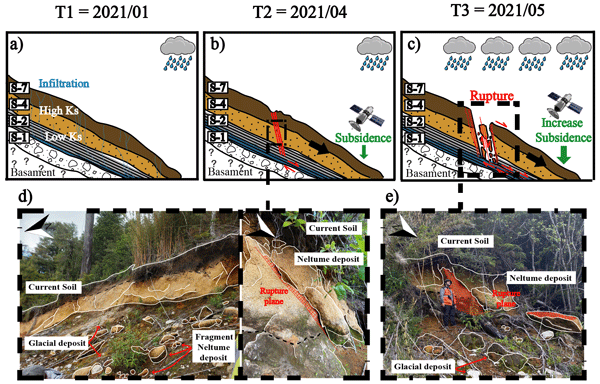
We investigated how volcanic soils and heavy rainfall trigger dangerous debris flows in the southern Andes. Our findings show saturated volcanic-soils above less permeable glacial deposits create ideal conditions for slope failures. Monitoring soil moisture and surface changes helps predict these events. This knowledge aids in protecting communities from debris flow hazards, increasingly important under climate change.
Ivo Fustos-Toribio, Nataly Manque-Roa, Daniel Vásquez Antipan, Mauricio Hermosilla Sotomayor, and Viviana Letelier Gonzalez
Nat. Hazards Earth Syst. Sci., 22, 2169–2183, https://doi.org/10.5194/nhess-22-2169-2022, https://doi.org/10.5194/nhess-22-2169-2022, 2022
Short summary
Short summary
We develop for the first time a rainfall-induced landslide early warning system for the south of Chile. We used forecast precipitation values at different scales using mesoscale models to evaluate the probability of landslides using statistical models. We showed the feasibility of implementing these models in future, supporting stakeholders and decision-makers.
Ivo Janos Fustos-Toribio, Bastian Morales-Vargas, Marcelo Somos-Valenzuela, Pablo Moreno-Yaeger, Ramiro Muñoz-Ramirez, Ines Rodriguez Araneda, and Ningsheng Chen
Nat. Hazards Earth Syst. Sci., 21, 3015–3029, https://doi.org/10.5194/nhess-21-3015-2021, https://doi.org/10.5194/nhess-21-3015-2021, 2021
Short summary
Short summary
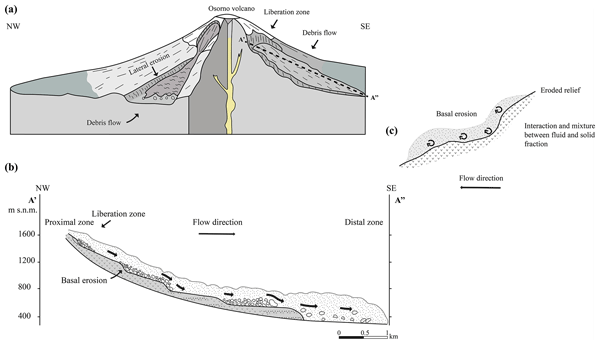
Links between debris flow and volcanic evolution are an open question in the southern Andes. We modelled the catastrophic debris flow using field data, a geotechnical approach and numerical modelling of the Petrohué event (Chile, 2017). Our results indicated new debris-flow-prone zones. Finally, we propose considering connections between volcanoes and debris flow in the southern Andes.
Cited articles
Abraham, M., Pothuraju, D., and Satyam, N.: Rainfall thresholds for prediction of landslides in idukki, india: an empirical approach, Water, 11, 2113, https://doi.org/10.3390/w11102113, 2019.
Abraham, M., Satyam, N., Kushal, S., Rosi, A., Pradhan, B., and Segoni, S.: Rainfall threshold estimation and landslide forecasting for kalimpong, india using sigma model, Water, 12, 1195, https://doi.org/10.3390/w12041195, 2020.
Adnan, M., Rahman, M., Ahmed, N., Ahmed, B., Rabbi, M., and Rahman, R.: Improving spatial agreement in machine learning-based landslide susceptibility mapping, Remote Sens., 12, 3347, https://doi.org/10.3390/rs12203347, 2020.
Ballabh, H., Pillay, S., Negi, G., and Pillay, K.: Relationship between selected physiographic features and landslide occurrence around four hydropower projects in bhagirathi valley of uttarakhand, western himalaya, india, Int. J. Geosci., 5, 1088–1099, https://doi.org/10.4236/ijg.2014.510093, 2014.
Barnhart, K. R., George, D. L., Collins, A. L., Schaefer, L. N., and Staley, D. M.: Uncertainty Reduction for Subaerial Landslide‐Tsunami Hazards, J. Geophys. Res.-Earth, 130, https://doi.org/10.1029/2024jf007906, 2025.
Bezak, N., Auflic, M., and Mikoš, M.: Application of hydrological modelling for temporal prediction of rainfall-induced shallow landslides, Landslides, 16, 1273–1283, https://doi.org/10.1007/s10346-019-01169-9, 2019.
Bisht, S. and Rawat, K.: A review of statistical approaches used for landslide susceptibility analysis with the help of remote sensing and gis technology, Acta Scientiarum Polonorum Formatio Circumiectus, 22, 83–96, https://doi.org/10.15576/asp.fc/2023.22.3.13, 2023.
Bonshoms, M., Ubeda, J., Liguori, G., Körner, P., Navarro, Á., and Cruz, R.: Validation of ERA5-Land temperature and relative humidity on four Peruvian glaciers using on-glacier observations, J. Mt. Sci., 19, 1849–1873, https://doi.org/10.1007/s11629-022-7388-4, 2022.
Bordoni, M., Meisina, C., Valentino, R., Lu, N., Bittelli, M., and Chersich, S.: Hydrological factors affecting rainfall-induced shallow landslides: from the field monitoring to a simplified slope stability analysis, Eng. Geol., 193, 19–37, https://doi.org/10.1016/j.enggeo.2015.04.006, 2015.
Bortolozo, C. A., Pampuch, L. A., de Andrade, M. R. M., Metodiev, D., Carvalho, A. R., Mendes, T. S. G., Pryer, T., Egas, H. M., Mendes, R. M., Sousa, I. A., and Power, J.: Arhcs (automatic rainfall half-life cluster system): a landslides early warning system (lews) using cluster analysis and automatic threshold definition, Int. J. Geosci., 15, 54–69, https://doi.org/10.4236/ijg.2024.151005, 2024.
Bravo-López, P., Fernández, T., Sellers, C., and García, J.: Analysis of conditioning factors in cuenca, ecuador, for landslide susceptibility maps generation employing machine learning methods, Land, 12, 1135, https://doi.org/10.3390/land12061135, 2023.
Chen, T.-H. K., Kincey, M. E., Rosser, N. J., and Seto, K. C.: Identifying recurrent and persistent landslides using satellite imagery and deep learning: A 30-year analysis of the Himalaya, Sci. Total Environ., 922, 171161, https://doi.org/10.1016/j.scitotenv.2024.171161, 2024.
Copernicus Climate Change Service (C3S): ERA5-Land hourly data from 1950 to present, Copernicus Climate Change Service (C3S) Climate Data Store (CDS) [data set], https://doi.org/10.24381/cds.e2161bac, 2019.
Crozier, M.: Deciphering the effect of climate change on landslide activity: a review, Geomorphology, 124, 60–267, https://doi.org/10.1016/j.geomorph.2010.04.009, 2010.
Cuzzone, J., Romero, M., and Marcott, S. A.: Modeling the timing of Patagonian Ice Sheet retreat in the Chilean Lake District from 22–10 ka, The Cryosphere, 18, 1381–1398, https://doi.org/10.5194/tc-18-1381-2024, 2024.
Dinamarca, D. I., Galleguillos, M., Seguel, O., and Faúndez-Urbina, C.: CLSoilMaps: A comprehensive soil property database for Chile, Soil Sci. Soc. Am. J., 87, 345–358, https://doi.org/10.1038/s41597-023-02536-x, 2023.
Ebrahimi Warkiani, M. and Moattar, M. H.: A comprehensive survey on recent feature selection methods for mixed data: Challenges, solutions and future directions, Neurocomputing, 623, 129372, https://doi.org/10.1016/j.neucom.2025.129372, 2025.
Emberson, R., Kirschbaum, D. B., Amatya, P., Tanyas, H., and Marc, O.: Insights from the topographic characteristics of a large global catalog of rainfall-induced landslide event inventories, Nat. Hazards Earth Syst. Sci., 22, 1129–1149, https://doi.org/10.5194/nhess-22-1129-2022, 2022.
Fidan, S., Tanyaş, H., Akbaş, A., Lombardo, L., Petley, D. N., and Görüm, T.: Understanding fatal landslides at global scales: a summary of topographic, climatic, and anthropogenic perspectives, Nat. Hazards, 120, 6437–6455, https://doi.org/10.1007/s11069-024-06487-3, 2024.
Froude, M. J. and Petley, D. N.: Global fatal landslide occurrence from 2004 to 2016, Nat. Hazards Earth Syst. Sci., 18, 2161–2181, https://doi.org/10.5194/nhess-18-2161-2018, 2018.
Fusco, F., Bordoni, M., Tufano, R., Vivaldi, V., Meisina, C., Valentino, R., Bittelli, M., and De Vita, P.: Hydrological regimes in different slope environments and implications on rainfall thresholds triggering shallow landslides, Nat. Hazards, 114, 907–939, https://doi.org/10.1007/s11069-022-05417-5, 2022.
Fustos-Toribio, I. J., Morales-Vargas, B., Somos-Valenzuela, M., Moreno-Yaeger, P., Muñoz-Ramirez, R., Rodriguez Araneda, I., and Chen, N.: Debris flow event on Osorno volcano, Chile, during summer 2017: new interpretations for chain processes in the southern Andes, Nat. Hazards Earth Syst. Sci., 21, 3015–3029, https://doi.org/10.5194/nhess-21-3015-2021, 2021.
Fustos-Toribio, I., Manque-Roa, N., Vásquez Antipan, D., Hermosilla Sotomayor, M., and Letelier Gonzalez, V.: Rainfall-induced landslide early warning system based on corrected mesoscale numerical models: an application for the southern Andes, Nat. Hazards Earth Syst. Sci., 22, 2169–2183, https://doi.org/10.5194/nhess-22-2169-2022, 2022.
Fustos-Toribio, I., Basualto, D., Gatica, A., Bravo-Alarcón, A., Palma, J.-L., Fuentealba, G., and Sepúlveda, S. A.: Controls over debris flow initiation in glacio-volcanic environments in the Southern Andes, Nat. Hazards Earth Syst. Sci., 25, 4843–4861, https://doi.org/10.5194/nhess-25-4843-2025, 2025.
Gariano, S. L., Petrucci, O., and Guzzetti, F.: Changes in the occurrence of rainfall-induced landslides in Calabria, southern Italy, in the 20th century, Nat. Hazards Earth Syst. Sci., 15, 2313–2330, https://doi.org/10.5194/nhess-15-2313-2015, 2015.
Ge, Q., Wang, J., Liu, C., Wang, X., Deng, Y., and Li, J.: Integrating Feature Selection with Machine Learning for Accurate Reservoir Landslide Displacement Prediction, Water, 16, 2152, https://doi.org/10.3390/w16152152, 2022.
Gu, T., Duan, P., Wang, M., and et al.: Effects of non-landslide sampling strategies on machine learning models in landslide susceptibility mapping, Sci. Rep., 14, 7201, https://doi.org/10.1038/s41598-024-57964-5, 2024.
Guyon, I. and Elisseeff, A.: An Introduction to Variable and Feature Selection, J. Mach. Learn. Res., 3, 1157–1182, https://doi.org/10.1162/153244303322753616, 2003.
Halder, K., Srivastava, A. K., Ghosh, A., Das, S., Banerjee, S., Pal, S. C., Chatterjee, U., Bisai, D., Ewert, F., and Gaiser, T.: Improving landslide susceptibility prediction through ensemble Recursive Feature Elimination and meta-learning framework, Research Square [preprint], https://doi.org/10.21203/rs.3.rs-3991474/v1, 2024.
Hirschberg, J., Fatichi, S., Bennett, G., McArdell, B., Peleg, N., Lane, S., and van Meerveld, H.: Climate change impacts on sediment yield and debris-flow activity in an alpine catchment, J. Geophys. Res.-Earth, 126, e2020JF005739, https://doi.org/10.1029/2020jf005739, 2021.
Horton, B. K.: Tectonic Regimes of the Central and Southern Andes: Responses to Variations in Plate Coupling During Subduction, Tectonics, 37, 402–429, https://doi.org/10.1002/2017tc004624, 2018.
Huang, F., Cao, Z., Guo, J., Jiang, S.-H., Li, S., and Guo, Z.: Comparisons of heuristic, general statistical and machine learning models for landslide susceptibility prediction and mapping, Catena, 191, 104580, https://doi.org/10.1016/j.catena.2020.104580, 2019.
Huang, F., Chen, J., Liu, W., Huang, J., Hong, H., and Chen, W.: Regional rainfall-induced landslide hazard warning based on landslide susceptibility mapping and a critical rainfall threshold, Geomorphology, 408, 108236, https://doi.org/10.1016/j.geomorph.2022.108236, 2022.
Islam, M., Islam, M., and Jeet, A.: A geotechnical investigation of 2017 Chattogram landslides, Geosciences, 11, 337, https://doi.org/10.3390/geosciences11080337, 2021.
Jia, L., Wang, J., Gao, S., Fang, L., and Wang, D.: Landslide risk evaluation method of open-pit mine based on numerical simulation of large deformation of landslide, Sci. Rep., 13, 15892, https://doi.org/10.1038/s41598-023-42736-4, 2023.
Katoch, S., Chauhan, S. S., and Kumar, V.: A review on genetic algorithm: past, present, and future, Multimed. Tools Appl., 80, 8091–8126, https://doi.org/10.1007/s11042-020-10139-6, 2020.
Kirschbaum, D. and Stanley, T.: Satellite-based assessment of rainfall-triggered landslide hazard for situational awareness, Earth's Future, 6, 505–523, https://doi.org/10.1002/2017ef000715, 2018.
Kuradusenge, M., Kumaran, S., and Zennaro, M.: Rainfall-induced landslide prediction using machine learning models: the case of ngororero district, rwanda, Int. J. Env. Res. Pub. He., 17, 4147, https://doi.org/10.3390/ijerph17114147, 2020.
Li, D., Huang, F., Yan, L., Cao, Z., Chen, J., and Zhou, Y.: Landslide susceptibility prediction using particle-swarm-optimized multilayer perceptron: comparisons with multilayer-perceptron-only, bp neural network, and information value models, Appl. Sci., 9, 3664, https://doi.org/10.3390/app9183664, 2019.
Li, W., Liu, Y., Chen, Y., and Yang, L.: Shock and vibration of rainfall on rotational landslide and analysis of its deformation characteristics, 560 Geofluids, 2021, 4119414, https://doi.org/10.1155/2021/4119414, 2021.
Lin, L., Lin, Q., and Wang, Y.: Landslide susceptibility mapping on a global scale using the method of logistic regression, Nat. Hazards Earth Syst. Sci., 17, 1411–1424, https://doi.org/10.5194/nhess-17-1411-2017, 2017.
Maragaño-Carmona, G., Fustos Toribio, I. J., Descote, P.-Y., Robledo, L. F., Villalobos, D., and Gatica, G.: Rainfall-Induced Landslide Assessment under Different Precipitation Thresholds Using Remote Sensing Data: A Central Andes Case, Water, 15, 2514, https://doi.org/10.3390/w15142514, 2023.
Maragaño-Carmona, G., Fustos-Toribio, I., Moreno-Yaeger, P., Ramirez, E., Basualto, D., Nie, W., Descote, P.-Y., and Robledo, L. F.: Assessment of geomorphological, hydrometeorological and geological trigger conditions of debris flows in northern Patagonia Andes, B. Eng. Geol. Environ., 84, https://doi.org/10.1007/s10064-024-04004-1, 2025.
Maragaño-Carmona, G., Fustos Toribio, I. J., Descote, P.-Y., Robledo, L. F., Villalobos, D., and Gatica, G.: Rainfall-Induced Landslide Assessment under Different Precipitation Thresholds Using Remote Sensing Data: A Central Andes Case, Water, 15, 2514, https://doi.org/10.3390/w15142514, 2023.
Marc, O., Hovius, N., Meunier, P., Görüm, T., and Uchida, T.: A seismologically consistent expression for the total area and volume of earthquake-triggered landsliding, J. Geophys. Res.-Earth, 121, 640–663, https://doi.org/10.1002/2015jf003732, 2016.
Marc, O., Gosset, M., Saitô, H., Uchida, T., and Malet, J.: Spatial patterns of storm-induced landslides and their relation to rainfall anomaly maps, Geophys. Res. Lett., 46, 11167–11177, https://doi.org/10.1029/2019gl083173, 2019.
McBratney, A. B., Mendonça Santos, M. L., and Minasny, B.: On digital soil mapping, Geoderma, 117, 3–52, https://doi.org/10.1016/s0016-7061(03)00223-4, 2003.
Merghadi, A., Yunus, A. P., Dou, J., Whiteley, J., Thai Pham, B., Bui, D. T., and Avtar, R.: Machine learning methods for landslide susceptibility studies: A comparative overview of algorithm performance, Earth-Sci. Rev., 207, 103225, https://doi.org/10.1016/j.earscirev.2020.103225, 2020.
Mondini, A., Guzzetti, F., and Melillo, M.: Deep learning forecast of rainfall-induced shallow landslides, Nat. Commun., 14, 2466, https://doi.org/10.1038/s41467-023-38135-y, 2023.
Moreno-Yaeger, P., Singer, B. S., Edwards, B. R., Jicha, B. R., Nachlas, W. O., Kurz, M. D., E. Breunig, R., Fustos-Toribio, I., Antipán, D. V., and Piergrossi, E.: Pleistocene to recent evolution of Mocho-Choshuenco volcano during growth and retreat of the Patagonian Ice Sheet, Geol. Soc. Am. Bull., 136, 5262–5282, https://doi.org/10.1130/b37514.1, 2024.
Muñoz-Sabater, J., Dutra, E., Agustí-Panareda, A., Albergel, C., Arduini, G., Balsamo, G., Boussetta, S., Choulga, M., Harrigan, S., Hersbach, H., Martens, B., Miralles, D. G., Piles, M., Rodríguez-Fernández, N. J., Zsoter, E., Buontempo, C., and Thépaut, J.-N.: ERA5-Land: a state-of-the-art global reanalysis dataset for land applications, Earth Syst. Sci. Data, 13, 4349–4383, https://doi.org/10.5194/essd-13-4349-2021, 2021.
NASA Jet Propulsion Laboratory: NASA Shuttle Radar Topography Mission Global 1 arc second, NASA Land Processes Distributed Active Archive Center, https://doi.org/10.5067/MEASURES/SRTM/SRTMGL1.003, 2013.
Nielsen, K. T., Moldrup, P., Thorndahl, S., Nielsen, J. E., Uggerby, M., and Rasmussen, M. R.: Field-Scale Monitoring of Urban Green Area Rainfall-Runoff Processes, J. Hydrol. Eng., 24, https://doi.org/10.1061/(asce)he.1943-5584.0001795, 2019.
Novellino, A., Cesarano, M., Cappelletti, P., Di Martire, D., Di Napoli, M., Ramondini, M., Sowter, A., and Calcaterra, D.: Slow-moving landslide risk assessment combining machine learning and insar techniques, Catena, 203, 105317, https://doi.org/10.1016/j.catena.2021.105317, 2021.
Ochoa-Cornejo, F., Palma, S., Sepúlveda, S. A., Lara, M., Burgos, K., and Duhart, P.: Rock slides in paraglacial environments in South America: three-dimensional modeling of glacier retreat and landslide inducing the 2017 Santa Lucía disaster in the Chilean Patagonia, Landslides, 22, 1003–1025, https://doi.org/10.1007/s10346-024-02419-1, 2025.
Oh, S., Kim, Y., and Kim, J.-W.: A Modified van Genuchten-Mualem Model of Hydraulic Conductivity in Korean Residual Soils, Water, 7, 5487–5502, https://doi.org/10.3390/w7105487, 2015.
Park, S. and Kim, J.: Landslide susceptibility mapping based on random forest and boosted regression tree models, and a comparison of their performance, Appl. Sci., 9, 942, https://doi.org/10.3390/app9050942, 2019.
Peranić, J., Čeh, N., and Arbanas, Ž.: The Use of Soil Moisture and Pore-Water Pressure Sensors for the Interpretation of Landslide Behavior in Small-Scale Physical Models, Sensors, 22, 7337, https://doi.org/10.3390/s22197337, 2022.
Pham, B. T., Phong, T. V., Avand, M., Al-Ansari, N., Singh, S. K., Le, H. V., and Prakash, I.: Improving voting feature intervals for spatial prediction of landslides, Math. Probl. Eng., 2020, 4310791, https://doi.org/10.1155/2020/4310791, 2020.
Qiao, S., Feng, C., Yu, P., Tan, J., Uchimura, T., Wang, L., Tang, J., Shen, Q., and Xie, J.: Investigation on surface tilting in the failure process of shallow landslides, Sensors, 20, 2662, https://doi.org/10.3390/s20092662, 2020.
Segoni, S., Rosi, A., Lagomarsino, D., Fanti, R., and Casagli, N.: Brief communication: Using averaged soil moisture estimates to improve the performances of a regional-scale landslide early warning system, Nat. Hazards Earth Syst. Sci., 18, 807–812, https://doi.org/10.5194/nhess-18-807-2018, 2018.
Sepúlveda, S. A. and Petley, D. N.: Regional trends and controlling factors of fatal landslides in Latin America and the Caribbean, Nat. Hazards Earth Syst. Sci., 15, 1821–1833, https://doi.org/10.5194/nhess-15-1821-2015, 2015.
Somos-Valenzuela, M. A., Oyarzún-Ulloa, J. E., Fustos-Toribio, I. J., Garrido-Urzua, N., and Chen, N.: The mudflow disaster at Villa Santa Lucía in Chilean Patagonia: understandings and insights derived from numerical simulation and postevent field surveys, Nat. Hazards Earth Syst. Sci., 20, 2319–2333, https://doi.org/10.5194/nhess-20-2319-2020, 2020.
Song, Y.-W., Wang, J.-S., Qi, Y.-L., Wang, Y.-C., Song, H.-M., and Shang-Guan, Y.-P.: Serial filter-wrapper feature selection method with elite guided mutation strategy on cancer gene expression data, Artif. Intell. Rev., 58, https://doi.org/10.1007/s10462-024-11029-1, 2025.
Steger, S., Moreno, M., Crespi, A., Zellner, P. J., Gariano, S. L., Brunetti, M. T., Melillo, M., Peruccacci, S., Marra, F., Kohrs, R., Goetz, J., Mair, V., and Pittore, M.: Deciphering seasonal effects of triggering and preparatory precipitation for improved shallow landslide prediction using generalized additive mixed models, Nat. Hazards Earth Syst. Sci., 23, 1483–1506, https://doi.org/10.5194/nhess-23-1483-2023, 2023.
Tetzner, D. R., Allen, C. S., Thomas, E. R., Wolff, E. W., and Franzke, C. L. E.: Timing of the Recent Migration and Intensification of the Southern Hemisphere Westerly Winds, Geophys. Res. Lett., 52, https://doi.org/10.1029/2024gl113672, 2025.
Teza, G., Cola, S., Brezzi, L., and Galgaro, A.: Wadenow: a matlab toolbox for early forecasting of the velocity trend of a rainfall-triggered landslide by means of continuous wavelet transform and deep learning, Geosciences, 12, 205, https://doi.org/10.3390/geosciences12050205, 2022.
Theng, D. and Bhoyar, K. K.: Feature selection techniques for machine learning: a survey of more than two decades of research, Knowl. Inf. Syst., 66, 1575–1637, https://doi.org/10.1007/s10115-023-02010-5, 2024.
Vásquez-Antipán, D., Fustos-Toribio, I., Riffo-López, J., Cortez-Díaz, A., Bravo, Á., and Moreno-Yaeger, P.: Landslide processes related to recurrent explosive eruptions in the Southern Andes of Chile (39° S), J. S. Am. Earth Sci., 157, 105469, https://doi.org/10.1016/j.jsames.2025.105469, 2025.
Vaz, T., Zêzere, J. L., Pereira, S., Oliveira, S. C., Garcia, R. A. C., and Quaresma, I.: Regional rainfall thresholds for landslide occurrence using a centenary database, Nat. Hazards Earth Syst. Sci., 18, 1037–1054, https://doi.org/10.5194/nhess-18-1037-2018, 2018.
Vorpahl, P., Dislich, C., Elsenbeer, H., Märker, M., and Schröder, B.: Biotic controls on shallow translational landslides, Earth Surf. Proc. Land., 38, 198–212, https://doi.org/10.1002/esp.3320, 2012.
Wang, X., Wang, Y., Lin, Q., and Yang, X.: Assessing global landslide casualty risk under moderate climate change based on multiple gcm projections, Int. J. Disast. Risk Sc., 14, 751–767, https://doi.org/10.1007/s13753-023-00514-w, 2023.
Wang, Z., Wang, D., Guo, Q., and Wang, D.: Regional landslide hazard assessment through interating susceptibility index and rainfall process, Nat. Hazards, 104, 2153–2173, https://doi.org/10.1007/s11069-020-04265-5, 2020.
Xu, Y., Dai, Q., Zhu, J., Yao, Y., Zhang, J., Li, W., Han, D., Zhu, S., Zeng, T., Xu, Y., and Han, D.: Increased significance of global concurrent hazards from 1981 to 2020, Earth's Future, 12, e2024EF004490, https://doi.org/10.1029/2024ef004490, 2024.
Yang, K., Niu, R., Song, Y., Dong, J., Zhang, H., and Chen, J.: Dynamic hazard assessment of rainfall-induced landslides using gradient boosting decision tree with google earth engine in three gorges reservoir area, china, Water, 16, 1638, https://doi.org/10.3390/w16121638, 2024.
Yilmaz, M.: Accuracy assessment of temperature trends from ERA5 and ERA5-Land, Sci. Total Environ., 856, 159182, https://doi.org/10.1016/j.scitotenv.2022.159182, 2023.
Zhang, Y. and Schaap, M. G.: Weighted recalibration of the Rosetta pedotransfer model with improved estimates of hydraulic parameter distributions and summary statistics (Rosetta3), J. Hydrol., 547, 39–53, https://doi.org/10.1016/j.jhydrol.2017.01.004, 2017.
Zheng, A. and Casari, A.: Feature Engineering for Machine Learning: Principles and Techniques for Data Scientists, O'Reilly Media, Sebastopol, ISBN 13 978-1491953242, 2021.
Zighmi, K., Zahri, F., Faqeih, K., Al Amri, A., Riheb, H., Alamri, S. M., and Alamery, E.: AHP multi criteria analysis for landslide susceptibility mapping in the Tellian Atlas chain, Sci. Rep., 15, https://doi.org/10.1038/s41598-025-10819-z, 2025.
Short summary
We investigated methods to improve the prediction of landslides triggered by heavy rainfall in southern Chile, utilising local soil and climate data. We tested different models and selected the most critical environmental factors. We improved the process for making forecasts in areas with limited monitoring. Our results help create faster and more reliable warnings and can guide safety planning in other mountain regions facing similar risks.
We investigated methods to improve the prediction of landslides triggered by heavy rainfall in...
Altmetrics
Final-revised paper
Preprint