
Articles | Volume 26, issue 3
https://doi.org/10.5194/nhess-26-1251-2026
© Author(s) 2026. This work is distributed under
the Creative Commons Attribution 4.0 License.
the Creative Commons Attribution 4.0 License.
https://doi.org/10.5194/nhess-26-1251-2026
© Author(s) 2026. This work is distributed under
the Creative Commons Attribution 4.0 License.
the Creative Commons Attribution 4.0 License.
Research article
| 
10 Mar 2026
Research article |
| 10 Mar 2026
| 10 Mar 2026
Integrating SMART principles in flood early warning system design in the Himalayas
Sudhanshu Dixit
Centre of Excellence in Disaster Mitigation and Management, Indian Institute of Technology Roorkee, Roorkee, Uttarakhand, India

Centre of Excellence in Disaster Mitigation and Management, Indian Institute of Technology Roorkee, Roorkee, Uttarakhand, India
Tahmina Yasmin
School of Geography, Earth & Environmental Sciences, University of Birmingham, Birmingham, UK
Kieran Khamis
School of Geography, Earth & Environmental Sciences, University of Birmingham, Birmingham, UK
Debashish Sen
People's Science Institute, Dehradun, India
Wouter Buytaert
Department of Civil and Environmental Engineering, Imperial College London, London, UK
David M. Hannah
School of Geography, Earth & Environmental Sciences, University of Birmingham, Birmingham, UK
Related authors
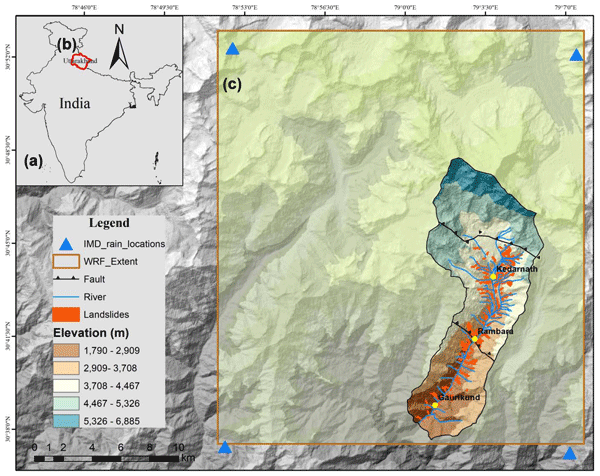
Sudhanshu Dixit, Srikrishnan Siva Subramanian, Piyush Srivastava, Ali P. Yunus, Tapas Ranjan Martha, and Sumit Sen
Nat. Hazards Earth Syst. Sci., 24, 465–480, https://doi.org/10.5194/nhess-24-465-2024, https://doi.org/10.5194/nhess-24-465-2024, 2024
Short summary
Short summary
Rainfall intensity–duration (ID) thresholds can aid in the prediction of natural hazards. Large-scale sediment disasters like landslides, debris flows, and flash floods happen frequently in the Himalayas because of their propensity for intense precipitation events. We provide a new framework that combines the Weather Research and Forecasting (WRF) model with a regionally distributed numerical model for debris flows to analyse and predict intense rainfall-induced landslides in the Himalayas.
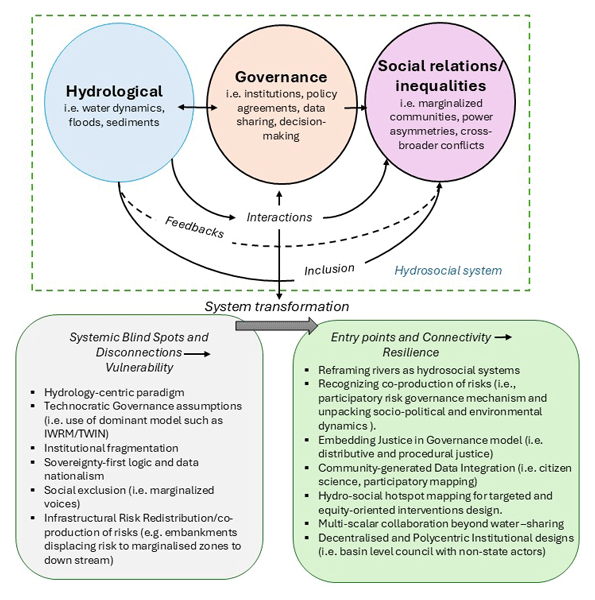
Tahmina Yasmin, Rose Cook, Xilin Xia, David M. Hannah, and Iseult Lynch
Nat. Hazards Earth Syst. Sci., 26, 4335–4351, https://doi.org/10.5194/nhess-26-4335-2026, https://doi.org/10.5194/nhess-26-4335-2026, 2026
Short summary
Short summary
Absence of basin-wide agreements, limited data-sharing, and the exclusion of local knowledge reinforce vulnerability and undermine resilience in the Ganges-Brahmaputra Basin. We urge a shift to hydrosocial connectivity – linking water flows, social relations, and governance. This framing reveals risks are shaped by power, politics, and participation. By centring justice, equity, and collaboration, it offers more coordinated approach with adaptive and inclusive transboundary governance outcomes.
Anthony C. Ross, Ben C. Howard, Braulio Lahuatte, Paola Fuentes, Bert De Bièvre, Mateo Jerves-Ramirez, Patricio Crespo, Nilton Montoya, Jasper Oshun, Athanasios Paschalis, and Wouter Buytaert
EGUsphere, https://doi.org/10.5194/egusphere-2026-4439, https://doi.org/10.5194/egusphere-2026-4439, 2026
Short summary
Short summary
High-mountain wetlands can secure year-round water for communities, but their connection to streams remains unclear. Using dye tracing across five tropical mountain sites, we tracked water movement over several months. Results show that wetland-to-stream travel times vary from under one week to over three months, depending on season, topography and geology, among other factors. Understanding this complex connectivity is vital for improving streamflow predictions and water supply management.
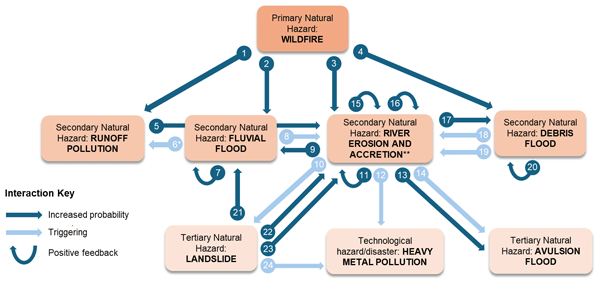
William Veness, Martha Day, Anthony C. Ross, Yazidhi Bamutaze, Jiayuan Han, Douglas Mulangwa, Andrew Mwesigwa, Emmanuel Ntale, Callist Tindimugaya, Brian Guma, Elisabeth Stephens, and Wouter Buytaert
Nat. Hazards Earth Syst. Sci., 26, 3045–3075, https://doi.org/10.5194/nhess-26-3045-2026, https://doi.org/10.5194/nhess-26-3045-2026, 2026
Short summary
Short summary
Climate change is driving wildfires to higher elevations in tropical mountains, exposing ecosystems with little or no fire history. We analyse a 2012 fire in Uganda’s Rwenzori Mountains that burned pristine forest and wetland above 3800 m, where no major fire had occurred for 12,000 years. The fire triggered a long-term cascade of floods, debris flows, landslides, erosion and mine-waste pollution, showing the need for rapid post-fire risk assessment and restoration.
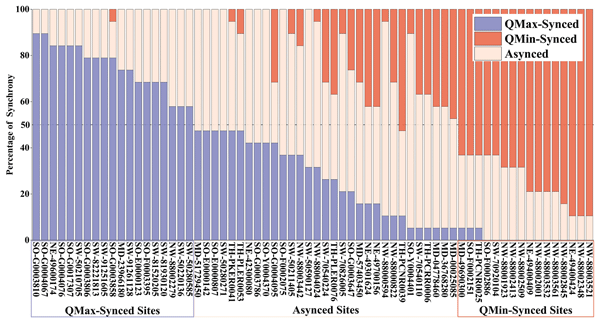
Lu Yang, Kieran Khamis, Julia L. A. Knapp, and Joshua R. Larsen
Hydrol. Earth Syst. Sci., 30, 4001–4018, https://doi.org/10.5194/hess-30-4001-2026, https://doi.org/10.5194/hess-30-4001-2026, 2026
Short summary
Short summary
Human activities have greatly increased riverine nitrogen pollution, making it crucial to understand when river nitrate peaks align with high or low flows to improve in management. Across 66 English catchments, agricultural ones peaked during high flows (29%) with wetter winters enhancing hydrological connectivity, whereas urban ones peaked under extremely low-flow conditions (26%). Mixed catchments (45%) shifted towards low-flow peaks in wetter years and to high-flow peaks with rapid runoff.
Domenico De Santis, Silvia Barbetta, Sumit Sen, Viviana Maggioni, Farhad Bahmanpouri, Ashutosh Sharma, Ankit Agarwal, Sagar Gupta, Francesco Avanzi, and Christian Massari
Nat. Hazards Earth Syst. Sci., 26, 1075–1104, https://doi.org/10.5194/nhess-26-1075-2026, https://doi.org/10.5194/nhess-26-1075-2026, 2026
Short summary
Short summary
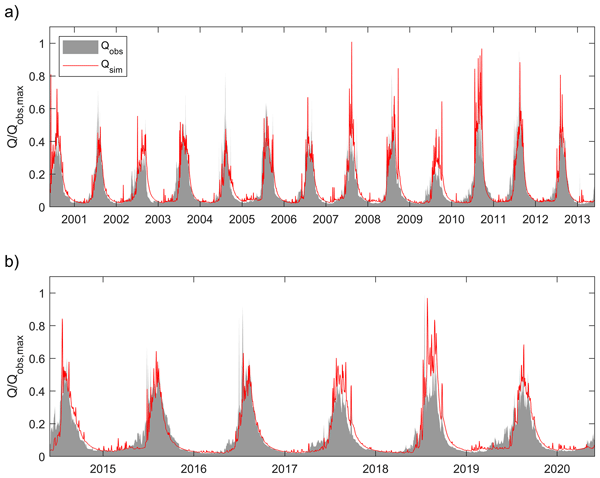
A conceptual, semi-distributed hydrological model was tailored to simulate high flows in monsoon-dominated, glacier-influenced and flood-prone Himalayan basins. Multi-data calibration using satellite-based glacier mass loss and evapotranspiration estimates improved process realism in data-scarce environments. The proposed modelling approach captured key streamflow features despite significant input uncertainties, proving to be a useful tool for exploring the local hydrological response dynamics.
William Veness, Alejandro Dussaillant, Gemma Coxon, Simon De Stercke, Gareth H. Old, Matthew Fry, Jonathan G. Evans, and Wouter Buytaert
Hydrol. Earth Syst. Sci., 29, 6201–6219, https://doi.org/10.5194/hess-29-6201-2025, https://doi.org/10.5194/hess-29-6201-2025, 2025
Short summary
Short summary
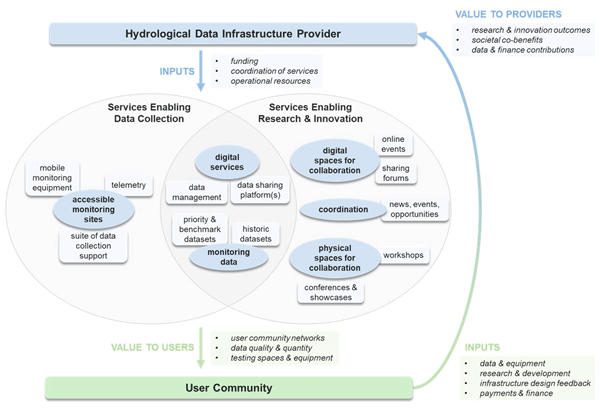
We investigated what users want from the next-generation of hydrological monitoring systems to better support science and innovation. Through literature review and interviews with UK experts, we found that beyond providing high-quality data, users particularly value additional support for collecting their own data, sharing it with others, and building collaborations with other data users. Designing systems with these needs in mind can greatly boost long-term engagement, data coverage and impact.
Daniel G. Kingston, Liam Cooper, David A. Lavers, and David M. Hannah
Nat. Hazards Earth Syst. Sci., 25, 675–682, https://doi.org/10.5194/nhess-25-675-2025, https://doi.org/10.5194/nhess-25-675-2025, 2025
Short summary
Short summary
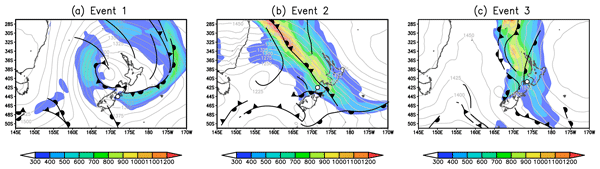
Extreme rainfall comprises a major hydrohazard for New Zealand and is commonly associated with atmospheric rivers – narrow plumes of very high atmospheric moisture transport. Here, we focus on improved forecasting of these events by testing a forecasting tool previously applied to similar situations in western Europe. However, our results for New Zealand suggest the performance of this forecasting tool may vary depending on geographical setting.
Jonathan D. Mackay, Nicholas E. Barrand, David M. Hannah, Emily Potter, Nilton Montoya, and Wouter Buytaert
The Cryosphere, 19, 685–712, https://doi.org/10.5194/tc-19-685-2025, https://doi.org/10.5194/tc-19-685-2025, 2025
Short summary
Short summary
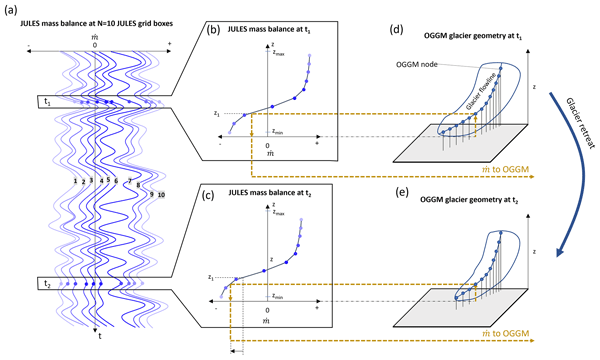
We combine two globally capable glacier evolution models to include processes that are typically neglected but thought to control tropical glacier retreat (e.g. sublimation). We apply the model to Peru's Vilcanota-Urubamba Basin. The model captures observed glacier mass changes,but struggles with surface albedo dynamics. Projections show glacier mass shrinking to 17 % or 6 % of 2000 levels by 2100 under moderate- and high-emission scenarios, respectively.
Danny Croghan, Pertti Ala-Aho, Jeffrey Welker, Kaisa-Riikka Mustonen, Kieran Khamis, David M. Hannah, Jussi Vuorenmaa, Bjørn Kløve, and Hannu Marttila
Hydrol. Earth Syst. Sci., 28, 1055–1070, https://doi.org/10.5194/hess-28-1055-2024, https://doi.org/10.5194/hess-28-1055-2024, 2024
Short summary
Short summary
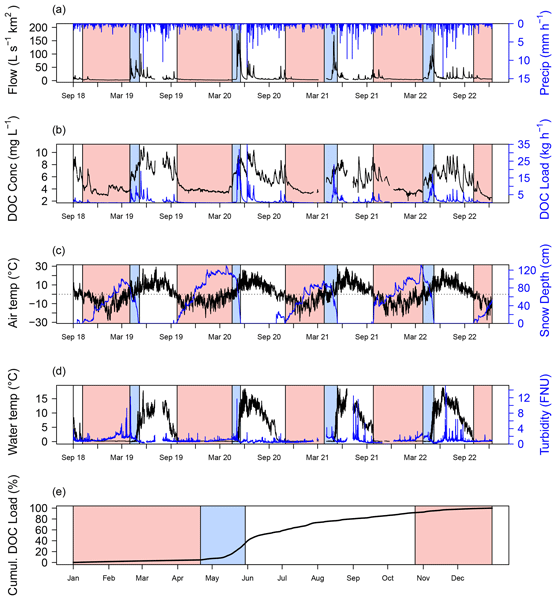
The transport of dissolved organic carbon (DOC) from land into streams is changing due to climate change. We used a multi-year dataset of DOC and predictors of DOC in a subarctic stream to find out how transport of DOC varied between seasons and between years. We found that the way DOC is transported varied strongly seasonally, but year-to-year differences were less apparent. We conclude that the mechanisms of transport show a higher degree of interannual consistency than previously thought.
Sudhanshu Dixit, Srikrishnan Siva Subramanian, Piyush Srivastava, Ali P. Yunus, Tapas Ranjan Martha, and Sumit Sen
Nat. Hazards Earth Syst. Sci., 24, 465–480, https://doi.org/10.5194/nhess-24-465-2024, https://doi.org/10.5194/nhess-24-465-2024, 2024
Short summary
Short summary
Rainfall intensity–duration (ID) thresholds can aid in the prediction of natural hazards. Large-scale sediment disasters like landslides, debris flows, and flash floods happen frequently in the Himalayas because of their propensity for intense precipitation events. We provide a new framework that combines the Weather Research and Forecasting (WRF) model with a regionally distributed numerical model for debris flows to analyse and predict intense rainfall-induced landslides in the Himalayas.
Heidi Kreibich, Kai Schröter, Giuliano Di Baldassarre, Anne F. Van Loon, Maurizio Mazzoleni, Guta Wakbulcho Abeshu, Svetlana Agafonova, Amir AghaKouchak, Hafzullah Aksoy, Camila Alvarez-Garreton, Blanca Aznar, Laila Balkhi, Marlies H. Barendrecht, Sylvain Biancamaria, Liduin Bos-Burgering, Chris Bradley, Yus Budiyono, Wouter Buytaert, Lucinda Capewell, Hayley Carlson, Yonca Cavus, Anaïs Couasnon, Gemma Coxon, Ioannis Daliakopoulos, Marleen C. de Ruiter, Claire Delus, Mathilde Erfurt, Giuseppe Esposito, Didier François, Frédéric Frappart, Jim Freer, Natalia Frolova, Animesh K. Gain, Manolis Grillakis, Jordi Oriol Grima, Diego A. Guzmán, Laurie S. Huning, Monica Ionita, Maxim Kharlamov, Dao Nguyen Khoi, Natalie Kieboom, Maria Kireeva, Aristeidis Koutroulis, Waldo Lavado-Casimiro, Hong-Yi Li, Maria Carmen LLasat, David Macdonald, Johanna Mård, Hannah Mathew-Richards, Andrew McKenzie, Alfonso Mejia, Eduardo Mario Mendiondo, Marjolein Mens, Shifteh Mobini, Guilherme Samprogna Mohor, Viorica Nagavciuc, Thanh Ngo-Duc, Huynh Thi Thao Nguyen, Pham Thi Thao Nhi, Olga Petrucci, Nguyen Hong Quan, Pere Quintana-Seguí, Saman Razavi, Elena Ridolfi, Jannik Riegel, Md Shibly Sadik, Nivedita Sairam, Elisa Savelli, Alexey Sazonov, Sanjib Sharma, Johanna Sörensen, Felipe Augusto Arguello Souza, Kerstin Stahl, Max Steinhausen, Michael Stoelzle, Wiwiana Szalińska, Qiuhong Tang, Fuqiang Tian, Tamara Tokarczyk, Carolina Tovar, Thi Van Thu Tran, Marjolein H. J. van Huijgevoort, Michelle T. H. van Vliet, Sergiy Vorogushyn, Thorsten Wagener, Yueling Wang, Doris E. Wendt, Elliot Wickham, Long Yang, Mauricio Zambrano-Bigiarini, and Philip J. Ward
Earth Syst. Sci. Data, 15, 2009–2023, https://doi.org/10.5194/essd-15-2009-2023, https://doi.org/10.5194/essd-15-2009-2023, 2023
Short summary
Short summary
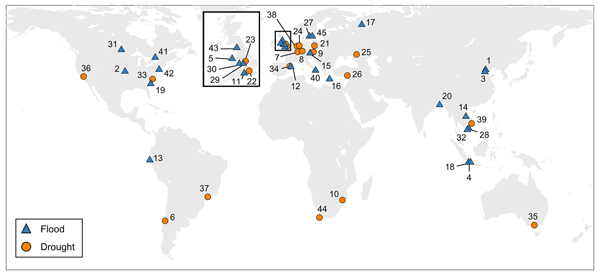
As the adverse impacts of hydrological extremes increase in many regions of the world, a better understanding of the drivers of changes in risk and impacts is essential for effective flood and drought risk management. We present a dataset containing data of paired events, i.e. two floods or two droughts that occurred in the same area. The dataset enables comparative analyses and allows detailed context-specific assessments. Additionally, it supports the testing of socio-hydrological models.
Tahmina Yasmin, Kieran Khamis, Anthony Ross, Subir Sen, Anita Sharma, Debashish Sen, Sumit Sen, Wouter Buytaert, and David M. Hannah
Nat. Hazards Earth Syst. Sci., 23, 667–674, https://doi.org/10.5194/nhess-23-667-2023, https://doi.org/10.5194/nhess-23-667-2023, 2023
Short summary
Short summary
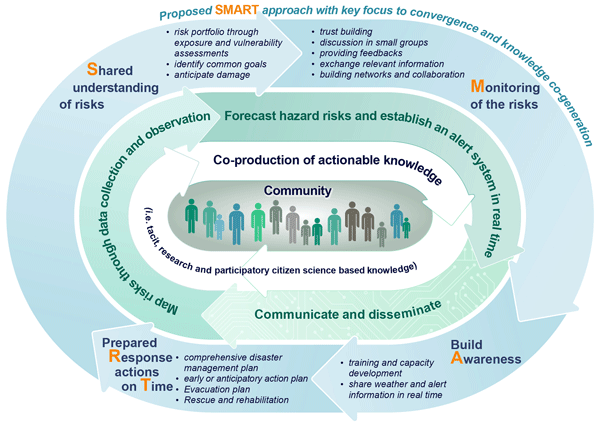
Floods continue to be a wicked problem that require developing early warning systems with plausible assumptions of risk behaviour, with more targeted conversations with the community at risk. Through this paper we advocate the use of a SMART approach to encourage bottom-up initiatives to develop inclusive and purposeful early warning systems that benefit the community at risk by engaging them at every step of the way along with including other stakeholders at multiple scales of operations.
Ravi Kumar Meena, Sumit Sen, Aliva Nanda, Bhargabnanda Dass, and Anurag Mishra
Hydrol. Earth Syst. Sci., 26, 4379–4390, https://doi.org/10.5194/hess-26-4379-2022, https://doi.org/10.5194/hess-26-4379-2022, 2022
Short summary
Short summary
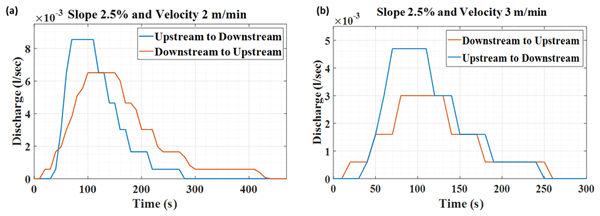
We developed a mobile operated programmable rainfall simulator (RS) to simulate the near-natural moving storm rainfall condition and to study its impact on runoff, soil erosion, and nutrient transport. The designed RS can be used for variable velocity and slope conditions along with the three different soil types at a time. Moreover, the soil flume of the RS is associated with the surface, subsurface, and base flow components.
Veerle Vanacker, Armando Molina, Miluska A. Rosas, Vivien Bonnesoeur, Francisco Román-Dañobeytia, Boris F. Ochoa-Tocachi, and Wouter Buytaert
SOIL, 8, 133–147, https://doi.org/10.5194/soil-8-133-2022, https://doi.org/10.5194/soil-8-133-2022, 2022
Short summary
Short summary
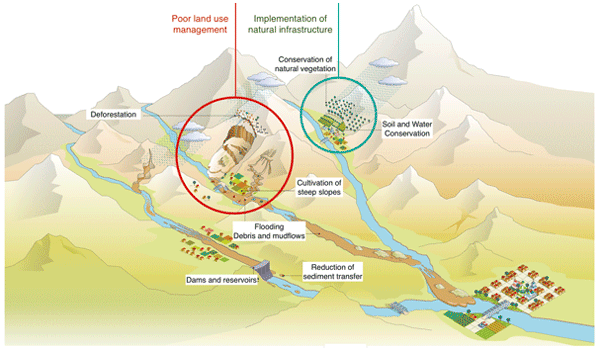
The Andes region is prone to natural hazards due to its steep topography and climatic variability. Anthropogenic activities further exacerbate environmental hazards and risks. This systematic review synthesizes the knowledge on the effectiveness of nature-based solutions. Conservation of natural vegetation and implementation of soil and water conservation measures had significant and positive effects on soil erosion mitigation and topsoil organic carbon concentrations.
Doris E. Wendt, John P. Bloomfield, Anne F. Van Loon, Margaret Garcia, Benedikt Heudorfer, Joshua Larsen, and David M. Hannah
Nat. Hazards Earth Syst. Sci., 21, 3113–3139, https://doi.org/10.5194/nhess-21-3113-2021, https://doi.org/10.5194/nhess-21-3113-2021, 2021
Short summary
Short summary
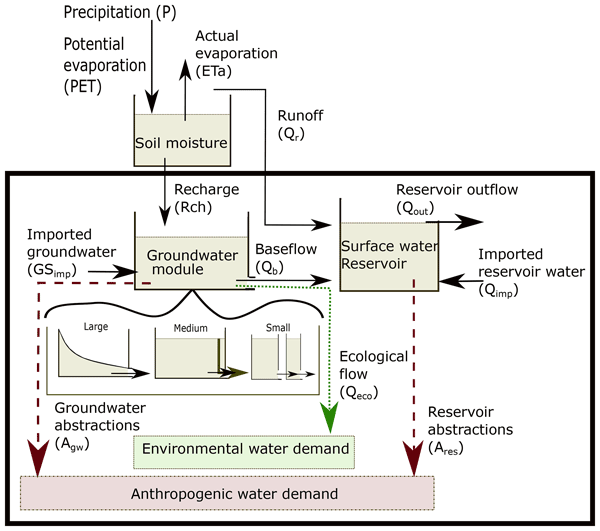
Managing water demand and supply during droughts is complex, as highly pressured human–water systems can overuse water sources to maintain water supply. We evaluated the impact of drought policies on water resources using a socio-hydrological model. For a range of hydrogeological conditions, we found that integrated drought policies reduce baseflow and groundwater droughts most if extra surface water is imported, reducing the pressure on water resources during droughts.
Cited articles
Ahmad, A. and Quegan, S.: Comparative analysis of supervised and unsupervised classification on multispectral data, Applied Mathematical Sciences, 7, 3681–3694, https://doi.org/10.12988/ams.2013.34214, 2013.
Ali, S., Biermanns, P., Haider, R., and Reicherter, K.: Landslide susceptibility mapping by using a geographic information system (GIS) along the China–Pakistan Economic Corridor (Karakoram Highway), Pakistan, Nat. Hazards Earth Syst. Sci., 19, 999–1022, https://doi.org/10.5194/nhess-19-999-2019, 2019.
Amengual, A., Borga, M., Ravazzani, G., and Crema, S.: The role of storm movement in controlling flash flood response: an analysis of the 28 September 2012 extreme event in Murcia, southeastern Spain, J. Hydrometeorol., https://doi.org/10.1175/JHM-D-21-0001.1, 2021.
Arlikatti, S., Maghelal, P., Agnimitra, N., and Chatterjee, V.: Should I stay or should I go? Mitigation strategies for flash flooding in India, Int. J. Disast. Risk Re., 27, 48–56, https://doi.org/10.1016/j.ijdrr.2017.09.019, 2018.
Bansal, N., Mukherjee, M., and Gairola, A.: Cause and impact of urban flooding in Dehradun, Int. J. Curr. Res., 7, 12615–12627, 2015.
Bhatla, R., Verma, S., Pandey, R., and Tripathi, A.: Evolution of extreme rainfall events over Indo-Gangetic plain in changing climate during 1901–2010, J. Earth Syst. Sci., 128, 120, https://doi.org/10.1007/s12040-019-1162-1, 2019.
Bloschl, G., Reszler, C., and Komma, J.: A spatially distributed flash flood forecasting model, Environ. Model. Softw., 23, 464–478, https://doi.org/10.1016/j.envsoft.2007.06.010, 2008.
Buytaert, W., Celleri, R., Willems, P., De Bièvre, B., and Wyseure, G.: Spatial and temporal rainfall variability in mountainous areas: A case study from the south Ecuadorian Andes, J. Hydrol., 329, 413–421, https://doi.org/10.1016/j.jhydrol.2006.02.031, 2006.
Chawla, I. and Mujumdar, P. P.: Evaluating rainfall datasets to reconstruct floods in data-sparse Himalayan region, J. Hydrol., 588, 125090, https://doi.org/10.1016/j.jhydrol.2020.125090, 2020.
Chen, Y., Ding, M., Zhang, G., Wang, Y., and Li, J.: Evaluation of ERA5 Reanalysis Precipitation Data in the Yarlung Zangbo River Basin of the Tibetan Plateau, J. Hydrometeorol., 24, 1491–1507, https://doi.org/10.1175/JHM-D-22-0229.1, 2023.
Collier, C. G.: Flash flood forecasting: What are the limits of predictability?, Q. J. Roy. Meteor. Soc., 133, 3–23, https://doi.org/10.1002/qj.29, 2007.
Cristiano, E., ten Veldhuis, M.-C., and van de Giesen, N.: Spatial and temporal variability of rainfall and their effects on hydrological response in urban areas – a review, Hydrol. Earth Syst. Sci., 21, 3859–3878, https://doi.org/10.5194/hess-21-3859-2017, 2017.
Das, J., Manikanta, V., Nikhil Teja, K., and Umamahesh, N. V.: Two decades of ensemble flood forecasting: a state-of-the-art on past developments, present applications and future opportunities, Hydrolog. Sci. J., 67, 477–493, https://doi.org/10.1080/02626667.2021.2023157, 2022.
Dimri, A. P., Thayyen, R. J., Kibler, K., Stanton, A., Jain, S. K., Tullos, D., and Singh, V. P.: A review of atmospheric and land surface processes with emphasis on flood generation in the Southern Himalayan rivers, Sci. Total Environ., 556, 98–115, https://doi.org/10.1016/j.scitotenv.2016.02.206, 2016.
Dogra, A., Thakur, J., and Tandon, A.: Do satellite-based products suffice for rainfall observations over data-sparse complex terrains? Evidence from the North-Western Himalayas, Remote Sens. Environ., 299, 113855, https://doi.org/10.1016/j.rse.2023.113855, 2023.
Gaur, A., Prakash, O., and Joshi, H. C.: Comparative index for water pollution by rural and urban means, Pharma Innov., 9, 359–365, https://doi.org/10.22271/tpi.2020.v9.i5g.4718, 2020.
Gebrechorkos, S. H., Leyland, J., Dadson, S. J., Cohen, S., Slater, L., Wortmann, M., Ashworth, P. J., Bennett, G. L., Boothroyd, R., Cloke, H., Delorme, P., Griffith, H., Hardy, R., Hawker, L., McLelland, S., Neal, J., Nicholas, A., Tatem, A. J., Vahidi, E., Liu, Y., Sheffield, J., Parsons, D. R., and Darby, S. E.: Global-scale evaluation of precipitation datasets for hydrological modelling, Hydrol. Earth Syst. Sci., 28, 3099–3118, https://doi.org/10.5194/hess-28-3099-2024, 2024.
Gu, X., Zhang, Q., Li, J., Singh, V. P., and Sun, P.: Impact of urbanization on nonstationarity of annual and seasonal precipitation extremes in China, J. Hydrol., 575, 638–655, https://doi.org/10.1016/j.jhydrol.2019.05.070, 2019.
Habeeb, R. and Javaid, S.: Social Inclusion of Marginal in the Great Climate Change Debate: Case of Slums in Dehradun, India, Sage Open, 9, https://doi.org/10.1177/2158244019835924, 2019.
Hapuarachchi, H. A. P., Wang, Q. J., and Pagano, T. C.: A review of advances in flash flood forecasting, Hydrol. Process., 25, 2771–2784, https://doi.org/10.1002/hyp.8040, 2011.
Henao Salgado, M. J. and Zambrano Nájera, J.: Assessing Flood Early Warning Systems for Flash Floods, Front. Clim., 4, https://doi.org/10.3389/fclim.2022.787042, 2022.
Henn, B., Newman, A. J., Livneh, B., Daly, C., and Lundquist, J. D.: An assessment of differences in gridded precipitation datasets in complex terrain, J. Hydrol., 556, 1205–1219, https://doi.org/10.1016/j.jhydrol.2017.03.008, 2018.
Hersbach, H., Bell, B., Berrisford, P., Hirahara, S., Horányi, A., Muñoz-Sabater, J., Nicolas, J., Peubey, C., Radu, R., Schepers, D., Simmons, A., Soci, C., Abdalla, S., Abellan, X., Balsamo, G., Bechtold, P., Biavati, G., Bidlot, J., Bonavita, M., De Chiara, G., Dahlgren, P., Dee, D., Diamantakis, M., Dragani, R., Flemming, J., Forbes, R., Fuentes, M., Geer, A., Haimberger, L., Healy, S., Hogan, R. J., Hólm, E., Janisková, M., Keeley, S., Laloyaux, P., Lopez, P., Lupu, C., Radnoti, G., de Rosnay, P., Rozum, I., Vamborg, F., Villaume, S., and Thépaut, J.: The ERA5 global reanalysis, Q. J. Roy. Meteor. Soc., 146, 1999–2049, https://doi.org/10.1002/qj.3803, 2020.
Hoang, D.-V. and Liou, Y.-A.: Assessing the influence of human activities on flash flood susceptibility in mountainous regions of Vietnam, Ecol. Indic., 158, 111417, https://doi.org/10.1016/j.ecolind.2023.111417, 2024.
Isbaex, C. and Margarida Coelho, A.: The Potential of Sentinel-2 Satellite Images for Land-Cover/Land-Use and Forest Biomass Estimation: A Review, in: Forest Biomass – From Trees to Energy, IntechOpen, https://doi.org/10.5772/intechopen.93363, 2021.
Jodar-Abellan, A., Valdes-Abellan, J., Pla, C., and Gomariz-Castillo, F.: Impact of land use changes on flash flood prediction using a sub-daily SWAT model in five Mediterranean ungauged watersheds (SE Spain), Sci. Total Environ., 657, 1578–1591, https://doi.org/10.1016/j.scitotenv.2018.12.034, 2019.
Kitchen, M. and Blackall, R. M.: Orographic rainfall over low hills and associated corrections to radar measurements, J. Hydrol., 139, 115–134, https://doi.org/10.1016/0022-1694(92)90198-5, 1992.
Knighton, J. O. and Walter, M. T.: Critical rainfall statistics for predicting watershed flood responses: rethinking the design storm concept, Hydrol. Process., 30, 3788–3803, https://doi.org/10.1002/hyp.10888, 2016.
Kulkarni, S. and Agarwal, A.: Quantifying the association between Arctic Sea ice extent and Indian precipitation, Int. J. Climatol., 44, 470–484, https://doi.org/10.1002/joc.8337, 2024.
Lanza, L. G., Cauteruccio, A., and Stagnaro, M.: Rain gauge measurements, in: Rainfall, Elsevier, 77–108, https://doi.org/10.1016/B978-0-12-822544-8.00002-0, 2022.
Lei, N., Gao, L., Liu, S., and Zhou, Z.: The Spatiotemporal Clustering of Short-Duration Rainstorms in Shanghai City Using a Sub-Hourly Gauge Network, Earth Space Sci., 11, https://doi.org/10.1029/2023EA003442, 2024.
Li, Y., Fowler, H. J., Argüeso, D., Blenkinsop, S., Evans, J. P., Lenderink, G., Yan, X., Guerreiro, S. B., Lewis, E., and Li, X.: Strong Intensification of Hourly Rainfall Extremes by Urbanization, Geophys. Res. Lett., 47, https://doi.org/10.1029/2020GL088758, 2020.
Li, Z., Yang, D., Hong, Y., Zhang, J., and Qi, Y.: Characterizing Spatiotemporal Variations of Hourly Rainfall by Gauge and Radar in the Mountainous Three Gorges Region, J. Appl. Meteorol. Climatol., 53, 873–889, https://doi.org/10.1175/JAMC-D-13-0277.1, 2014.
Liu, B., Tan, X., Gan, T. Y., Chen, X., Lin, K., Lu, M., and Liu, Z.: Global atmospheric moisture transport associated with precipitation extremes: Mechanisms and climate change impacts, WIREs Water, 7, https://doi.org/10.1002/wat2.1412, 2020.
Nanda, A., Sen, S., Jirwan, V., Sharma, A., and Kumar, V.: Understanding plot-scale hydrology of Lesser Himalayan watershed – A field study and HYDRUS-2D modelling approach, Hydrol. Process., 32, 1254–1266, https://doi.org/10.1002/hyp.11499, 2018.
National Weather Service: Floods, National Weather Service, USA, https://www.weather.gov/pbz/floods, last access: 4 May 2024.
Nepal, S., Flügel, W.-A., and Shrestha, A. B.: Upstream-downstream linkages of hydrological processes in the Himalayan region, Ecol. Process., 3, 19, https://doi.org/10.1186/s13717-014-0019-4, 2014.
Nogueira, M.: Inter-comparison of ERA-5, ERA-interim and GPCP rainfall over the last 40 years: Process-based analysis of systematic and random differences, J. Hydrol., 583, 124632, https://doi.org/10.1016/j.jhydrol.2020.124632, 2020.
Panziera, L., James, C. N., and Germann, U.: Mesoscale organization and structure of orographic precipitation producing flash floods in the Lago Maggiore region, Q. J. Roy. Meteor. Soc., 141, 224–248, https://doi.org/10.1002/qj.2351, 2015.
Papalexiou, S. M. and Montanari, A.: Global and Regional Increase of Precipitation Extremes Under Global Warming, Water Resour. Res., 55, 4901–4914, https://doi.org/10.1029/2018WR024067, 2019.
Paul, J. D., Buytaert, W., and Sah, N.: A Technical Evaluation of Lidar-Based Measurement of River Water Levels, Water Resour. Res., 56, https://doi.org/10.1029/2019WR026810, 2020.
Pavlopoulos, H. and Gupta, V. K.: Scale invariance of regional wet and dry durations of rain fields: A diagnostic study, J. Geophys. Res.-Atmos., 108, https://doi.org/10.1029/2002JD002763, 2003.
Prakash, S.: Performance assessment of CHIRPS, MSWEP, SM2RAIN-CCI, and TMPA precipitation products across India, J. Hydrol., 571, 50–59, https://doi.org/10.1016/j.jhydrol.2019.01.036, 2019.
Prakash, S., Mahesh, C., Gairola, R. M., and Pal, P. K.: Comparison of high-resolution TRMM-based precipitation products during tropical cyclones in the North Indian Ocean, Nat. Hazards, 61, 689–701, https://doi.org/10.1007/s11069-011-0055-7, 2012.
Prat, O. P. and Barros, A. P.: Ground observations to characterize the spatial gradients and vertical structure of orographic precipitation – Experiments in the inner region of the Great Smoky Mountains, J. Hydrol., 391, 141–156, https://doi.org/10.1016/j.jhydrol.2010.07.013, 2010.
Qian, Y., Chakraborty, T. C., Li, J., Li, D., He, C., Sarangi, C., Chen, F., Yang, X., and Leung, L. R.: Urbanization Impact on Regional Climate and Extreme Weather: Current Understanding, Uncertainties, and Future Research Directions, Adv. Atmos. Sci., 39, 819–860, https://doi.org/10.1007/s00376-021-1371-9, 2022.
Rafieeinasab, A., Norouzi, A., Kim, S., Habibi, H., Nazari, B., Seo, D.-J., Lee, H., Cosgrove, B., and Cui, Z.: Toward high-resolution flash flood prediction in large urban areas – Analysis of sensitivity to spatiotemporal resolution of rainfall input and hydrologic modeling, J. Hydrol., 531, 370–388, https://doi.org/10.1016/j.jhydrol.2015.08.045, 2015.
Rasmussen, K. L. and Houze, R. A.: A Flash-Flooding Storm at the Steep Edge of High Terrain: Disaster in the Himalayas, B. Am. Meteorol. Soc., 93, 1713–1724, https://doi.org/10.1175/BAMS-D-11-00236.1, 2012.
Reddy, K. S., Pankaj, P. K., Reddy, N. N., and Raju, N. S.: Participatory Rural Appraisal in Drylands: A Holistic Approach for Getting Insight into an Agro-Ecosystem Analysis, J. Rural Dev., 35, 1–26, 2016.
Rentschler, J., Salhab, M., and Jafino, B. A.: Flood exposure and poverty in 188 countries, Nat. Commun., 13, 3527, https://doi.org/10.1038/s41467-022-30727-4, 2022.
Satendra, Gupta, A. K., Naik, V. K., Saha Roy, T. K., Sharma, A. K., and Dwivedi, M.: Uttarakhand Disaster 2013, National Institute of Disaster Management, New Delhi, India, 1–184, ISBN 978-93-82571-14-8, 2015.
Shepherd, J. M., Carter, M., Manyin, M., Messen, D., and Burian, S.: The Impact of Urbanization on Current and Future Coastal Precipitation: A Case Study for Houston, Environ. Plann. B Plann. Des., 37, 284–304, https://doi.org/10.1068/b34102t, 2010.
Shi, X., Chen, J., Gu, L., Xu, C.-Y., Chen, H., and Zhang, L.: Impacts and socioeconomic exposures of global extreme precipitation events in 1.5 and 2.0 °C warmer climates, Sci. Total Environ., 766, 142665, https://doi.org/10.1016/j.scitotenv.2020.142665, 2021.
Shrestha, D., Singh, P., and Nakamura, K.: Spatiotemporal variation of rainfall over the central Himalayan region revealed by TRMM Precipitation Radar, J. Geophys. Res.-Atmos., 117, https://doi.org/10.1029/2012JD018140, 2012.
Singh, O., Arya, P., and Chaudhary, B. S.: On rising temperature trends at Dehradun in Doon valley of Uttarakhand, India, J. Earth Syst. Sci., 122, 613–622, https://doi.org/10.1007/s12040-013-0304-0, 2013.
Siyum, Z. G.: Tropical dry forest dynamics in the context of climate change: syntheses of drivers, gaps, and management perspectives, Ecol. Process., 9, 25, https://doi.org/10.1186/s13717-020-00229-6, 2020.
Skofronick-Jackson, G., Petersen, W. A., Berg, W., Kidd, C., Stocker, E. F., Kirschbaum, D. B., Kakar, R., Braun, S. A., Huffman, G. J., Iguchi, T., Kirstetter, P. E., Kummerow, C., Meneghini, R., Oki, R., Olson, W. S., Takayabu, Y. N., Furukawa, K., and Wilheit, T.: The Global Precipitation Measurement (GPM) Mission for Science and Society, B. Am. Meteorol. Soc., 98, 1679–1695, https://doi.org/10.1175/BAMS-D-15-00306.1, 2017.
Song, X., Qi, J., Zou, X., Zhang, J., and Liu, C.: Potential Effects of Urbanization on Precipitation Extremes in the Pearl River Delta Region, China, Water, 14, 2466, https://doi.org/10.3390/w14162466, 2022.
United Nations: World Urbanization Prospects: The 2018 Revision, United Nations, Department of Economic and Social Affairs, Population, ST/ESA/SER.A/420, 2018.
Upadhyay, D., Dixit, S., and Bhatia, U.: Quantifying the Role of Internal Climate Variability and Its Translation from Climate Variables to Hydropower Production at Basin Scale in India, J. Hydrometeorol., 24, 407–423, https://doi.org/10.1175/JHM-D-22-0065.1, 2023.
Vanama, V. S. K., Dikshit, A. K., and Pandey, K.: Flood modelling with global precipitation measurement (GPM) satellite rainfall data: a case study of Dehradun, Uttarakhand, India, 98801A, https://doi.org/10.1117/12.2223928, 2016.
Wang, Z., Chen, X., Qi, Z., and Cui, C.: Flood sensitivity assessment of super cities, Sci. Rep., 13, 5582, https://doi.org/10.1038/s41598-023-32149-8, 2023.
Ward, E., Buytaert, W., Peaver, L., and Wheater, H.: Evaluation of precipitation products over complex mountainous terrain: A water resources perspective, Adv. Water Resour., 34, 1222–1231, https://doi.org/10.1016/j.advwatres.2011.05.007, 2011.
World Meteorological Organization (WMO): Flash Flood Guidance System (FFGS) with Global Coverage, https://community.wmo.int/en/hydrology-and-water-resources/flash-flood-guidance-system-ffgs-global-coverage, last access: 29 March 2024.
Wu, Y., Sun, J., Ying, Z., Xue, L., Chen, D., and Lin, W.: Effects of Local-Scale Orography and Urban Heat Island on the Initiation of a Record-Breaking Rainfall Event, J. Geophys. Res.-Atmos., 126, https://doi.org/10.1029/2021JD034839, 2021.
Xin, Y., Lu, N., Jiang, H., Liu, Y., and Yao, L.: Performance of ERA5 reanalysis precipitation products in the Guangdong-Hong Kong-Macao greater Bay Area, China, J. Hydrol., 602, 126791, https://doi.org/10.1016/j.jhydrol.2021.126791, 2021.
Yang, L., Yang, Y., Shen, Y., Yang, J., Zheng, G., Smith, J., and Niyogi, D.: Urban development pattern's influence on extreme rainfall occurrences, Nat. Commun., 15, 3997, https://doi.org/10.1038/s41467-024-48533-5, 2024.
Yasmin, T., Khamis, K., Ross, A., Sen, S., Sharma, A., Sen, D., Sen, S., Buytaert, W., and Hannah, D. M.: Brief communication: Inclusiveness in designing an early warning system for flood resilience, Nat. Hazards Earth Syst. Sci., 23, 667–674, https://doi.org/10.5194/nhess-23-667-2023, 2023.
Young, A., Bhattacharya, B., and Zevenbergen, C.: A rainfall threshold-based approach to early warnings in urban data-scarce regions: A case study of pluvial flooding in Alexandria, Egypt, J. Flood Risk Manag., 14, https://doi.org/10.1111/jfr3.12702, 2021.
Zakaria, M. I. and Jabbar, W. A.: Flood Monitoring and Warning Systems: A Brief Review, Journal of Southwest Jiaotong University, 56, 140–156, https://doi.org/10.35741/issn.0258-2724.56.3.12, 2021.
Zhou, N., Hou, J., Chen, H., Chen, G., and Liu, B.: A Rapid Forecast Method for the Process of Flash Flood Based on Hydrodynamic Model and KNN Algorithm, Water Resour. Manag., 38, 1903–1919, https://doi.org/10.1007/s11269-023-03664-0, 2024.
Zhou, Z., Smith, J. A., Wright, D. B., Baeck, M. L., Yang, L., and Liu, S.: Storm Catalog-Based Analysis of Rainfall Heterogeneity and Frequency in a Complex Terrain, Water Resour. Res., 55, 1871–1889, https://doi.org/10.1029/2018WR023567, 2019.
Short summary
Flash floods are becoming more frequent in mountainous regions due to heavier rainstorms. To protect people and property, we are working to better understand local hydrology and improve the efficiency of early warning systems for urban flooding in Lesser Himalayas. By combining community knowledge, low-cost technology, we can enhance understanding of flood dynamics and strengthen preparedness in mountains. This work is a step toward building resilience by bridging science and community insight.
Flash floods are becoming more frequent in mountainous regions due to heavier rainstorms. To...


Altmetrics
Final-revised paper
Preprint