
the Creative Commons Attribution 4.0 License.
the Creative Commons Attribution 4.0 License.
 | 24 Sep 2026
Invited Perspectives: Science for Comprehensive Disaster and Climate Risk Management
Philip J. Ward

Marleen C. de Ruiter
Kees Boersma
Tomris Cesuroglu
Nathan Clark
Tina Comes
Ashok Dahal
Sonja Fransen
Jasper Verschuur
Carmen Anthonj
Srijith Balakrishnan
Jens de Bruijn
Eefje Hendriks
Rodrigo Mena Fluhmann
Goda Perlaviciute
Linda Steg
Marc J. C. van den Homberg
Cees van Westen
Funda Atun
Anja Schreijer
Nicole van Maanen
In this paper, we explore five core challenges that need to be addressed in order to move towards the Comprehensive Disaster and Climate Risk Management approach, which has been proposed within the newly emerging paradigm of a more holistic approach to managing the risks associated with climatic and/or non-climatic hazards and non-climatic risk drivers across varied time scales and levels. These five challenges relate to the following points. First, we have a lack of comprehensive and high quality data for observing how society is impacted by, prepares for, and responds to multi-risks. Second, as a result we have a limited understanding of why individuals, communities, and other decision-makers (fail to) prepare for complex multi-risks in the way they do, and how that affects their responses. Third, our capacity to simulate how current and future risk could be effectively reduced is hampered by the aforementioned lack and fragmentation of observations and understanding of multi-risk dynamics. Fourth, current governance structures often reinforce data and knowledge silos. Fifth, the high complexity and wicked nature of the multi-risk problem results in barriers in knowledge exchange at the science, policy and practice interface. In this paper, we elaborate on each of these challenges, discuss why they matter for comprehensive disaster risk management, and provide ideas of how to overcome these challenges. We end the paper with a brief outlook.
- Article
(1717 KB) - Full-text XML
- BibTeX
- EndNote


In August 2021, Haiti's southern peninsula faced a multi-disaster scenario. A 7.2 Mw earthquake first caused widespread structural failure, destroying 137 000 homes and vital infrastructure, and causing at least 2248 fatalities, 12 000 injuries, and 300 missing persons, while triggering landslides that cut off remote communities (CDEMA, 2021; Government of Haiti, 2021; Cabas et al., 2023). This was immediately followed by Tropical Storm Grace, whose torrential rains and flooding paralysed rescue operations and obscured the specific origins of various casualties (Cavallo et al., 2021; Reinhart and Berg, 2022). The combined impact of these events, alongside the difficulty of reaching isolated areas, delayed essential aid. Against the backdrop of a fragile state that still suffers from the repercussions of the 2010 earthquake, the long-term consequences were equally severe; the collapse of healthcare and sanitation systems precipitated a cholera outbreak by 2022, resulting in thousands of cases and over 200 deaths (IFRC, 2022). Throughout this period, the lack of secure housing left the population exposed to ongoing seismic and meteorological threats (OCHA, 2021). Moreover, at the same time the ongoing Covid-19 pandemic was a major compounding stressor: the Government of Haiti had to cope with the combined events of the aforementioned hazard shocks at a time that the healthcare system was already severely strained by the ongoing pandemic (Government of Haiti, 2021).
As shown by this example, many crises occur from complex risk pathways. As is now well recognised, risk itself is a function of hazard, exposure, and vulnerability (UNDRR, 2017). Traditionally, we have studied and managed these risks using a “static approach”, i.e. neglecting that different hazards interact with each other (or at least underestimating the risk of these interactions) and that exposure and vulnerability change over time (De Ruiter and van Loon, 2022).
Over the last decade, we have come to understand that different hazards interact with each other to influence the overall risk. These interactions are referred to as multi-hazards (Zschau, 2017). Early research (e.g. Kappes et al., 2012; Gill and Malamud, 2014; Zscheischler et al., 2018; Alexander and Pescaroli, 2019; De Ridder et al., 2020) concentrated on characterising and visualising different kinds of interactions (e.g. triggering, amplifying, compound, consecutive), often focusing on mainly geological, meteorological, and hydrological natural hazards. Only a few studies attempt to map where and how these hazards interact in space and time. For example, De Ruiter et al. (2020) map the consecutive occurrence of tropical cyclones and earthquakes over the period 1960–2016 at the global scale, and Claassen et al. (2023) map the spatial and temporal overlap between the footprints of 11 different hazards footprints at the global scale over the period 2004–2017. Wenzel et al. (2026) proposed a practical classification aid, based on type, spatial, and temporal assessment of the multi-hazard interrelations. Still, the systematic mapping of such interlinkages is scarce (Simpson et al., 2021).
Moreover, we are increasingly understanding that many hazard interlinkages also exist with biological hazards that cause infectious diseases. For example, flooding and high temperatures can create or increase breeding grounds for disease-vectors like mosquitoes, thereby amplifying exposure to vector-borne diseases such as malaria and dengue fever, or can spread bacteria leading to water-borne diseases such as cholera outbreaks (Bett et al., 2021). Systematic reviews have found that 58 % of all known human infectious diseases, including Zika, Chikungunya, and Ebola, have been aggravated by climatic hazards through over 1000 unique transmission pathways (Mora et al., 2022). Alcayna et al. (2022, 2025) found higher evidence and higher agreement on the links between extreme climatic events and water-borne diseases than for vector-borne diseases.
Multi-risk occurs when multiple hazards interact with dynamic changes in exposure and vulnerability (Zschau, 2017). Next to being shaped by ongoing long-term (either slow or rapid) socioeconomic change, exposure and vulnerability are dynamically shaped by previous hazards. Slow-onset hazards like pandemics and droughts can change exposure through migration, and vulnerability by eroding people's financial resources, job opportunities, access to education, health and well-being, social networks, and so forth (Hagenlocher et al., 2019; Anjum and Fraser, 2021; Yamori and Goltz, 2021; De Ruiter and van Loon, 2022). These changes have been found to create long-term path dependencies, lasting for decades (Casali et al., 2024). Rapid-onset hazards (like floods, earthquakes, landslides, or heatwaves) also dynamically shape exposure and vulnerability (Sirenko et al., 2026a). For example, hazards can lead to the immediate displacement of people as well as depopulation (e.g. Farabollini et al., 2022); an individual displaced by flooding may become exposed to vector-borne diseases; or a community enduring a disease outbreak may have increased exposure due to drinking water infrastructure damage (Prades et al., 2023; Acharya and Silori, 2025). Many multi-risks exist at the interface of natural hazards and health. For example, waterborne disease transmission pathways include destruction, failure or interruptions of water and sanitation (WASH) infrastructure service delivery due to flooding, heavy rains, tropical cyclones, high temperature or drought (Howard et al., 2016). Failure of water and sanitation services under climate and disaster conditions is highly problematic, as the increased exposure to diseases often coincides with disaster-related inaccessibility or collapse of healthcare systems, creating a double health burden, and even a triple health burden when considering the often extensive mental health impacts on affected communities (North et al., 2004; Beaglehole et al., 2015; Kanehara et al., 2016; Leppold et al., 2022).
Our society is increasingly facing these kinds of complex multi-risks (Sakić Trogrlić et al., 2024; Tansel, 2025). This is partly due to increased exposure in hazard-prone areas due to population growth and (unregulated) urban development. Moreover, the frequency and severity of some hydrological and meteorological hazards are increasing due to climate change. We are also seeing an increase in biological hazards that cause infectious diseases – also related to globalisation, increasing populations, and the increased interface between humans and animals (Rulli et al., 2025), with the Covid-19 pandemic clearly thrusting this issue into the public attention (Lindahl, 2015; Baker et al., 2022; Kumar Satapathy et al., 2023).
The Mid-Term Review (MTR) of the United Nations Sendai Framework for Disaster Risk Reduction (SFDRR) (UNDRR, 2023) made it crystal clear that science is falling short in terms of understanding these complex multi-risks, and the World Health Organisation (2019) underscores that biological hazards that cause infectious diseases must be considered within a broader disaster risk context. Despite our recognition of the importance of a multi-risk approach to risk assessment and management, and the recent effort of UNDRR and ISC (2025) to include the multi-hazard context in their influential Hazard Information Profiles (HIPs), as societies we remain poorly positioned to proactively prepare for, and respond to, these complex multi-risks. Reflecting this gap, UNDRR has recently highlighted the persistent disconnect between disaster risk reduction (DRR) and climate change adaptation (CCA) and introduced the concept of Comprehensive Disaster and Climate Risk Management (CRM) as a governance ambition to better integrate risk across hazards, sectors, and timescales (UNDRR, 2023). However, while CRM provides a clear normative direction aligned with the Sendai Framework, its operationalisation remains constrained by many of the same scientific, behavioural, modelling, and governance limitations discussed in this paper.
This situation is a logical outcome of the current state of our siloed science and risk governance. In this paper, we explore five core challenges that we believe need to be addressed in order to move towards this new paradigm of a more comprehensive approach to disaster risk management, as called for by the Sendai Framework MTR. In brief, these five challenges relate to the following points. First, we lack comprehensive, high-quality data for observing how society is impacted by, prepares for, and responds to multi-risks. Second, as a result, we have a limited understanding of why individuals, communities, and other decision-makers (fail to) prepare for and respond to complex multi-risks in the way they do. Third, our capacity to simulate how both current and future risk could be effectively reduced is hampered by the aforementioned lack of observations and understanding of multi-risk dynamics. Fourth, current governance structures often reinforce these silos. Fifth, the high complexity and super wicked nature (Levin et al., 2012) of the multi-risk problem results in barriers in knowledge exchange at the science, policy and practice interface.
In the paper, we elaborate on each of these challenges, discuss why they matter for comprehensive disaster risk management, and provide ideas of how to overcome these challenges. We end the paper with a brief outlook. Our paper aims to inspire future research endeavours by bringing together key perspectives from a wide range of relevant disciplines. While this paper focuses on interactions between natural hazards and biological hazards that cause infectious diseases, we acknowledge that a broad understanding of societal resilience also needs to acknowledge all kinds of issues that can impact security, including conflict, cyber-attacks, and other non- natural hazard/disease-related aspects.
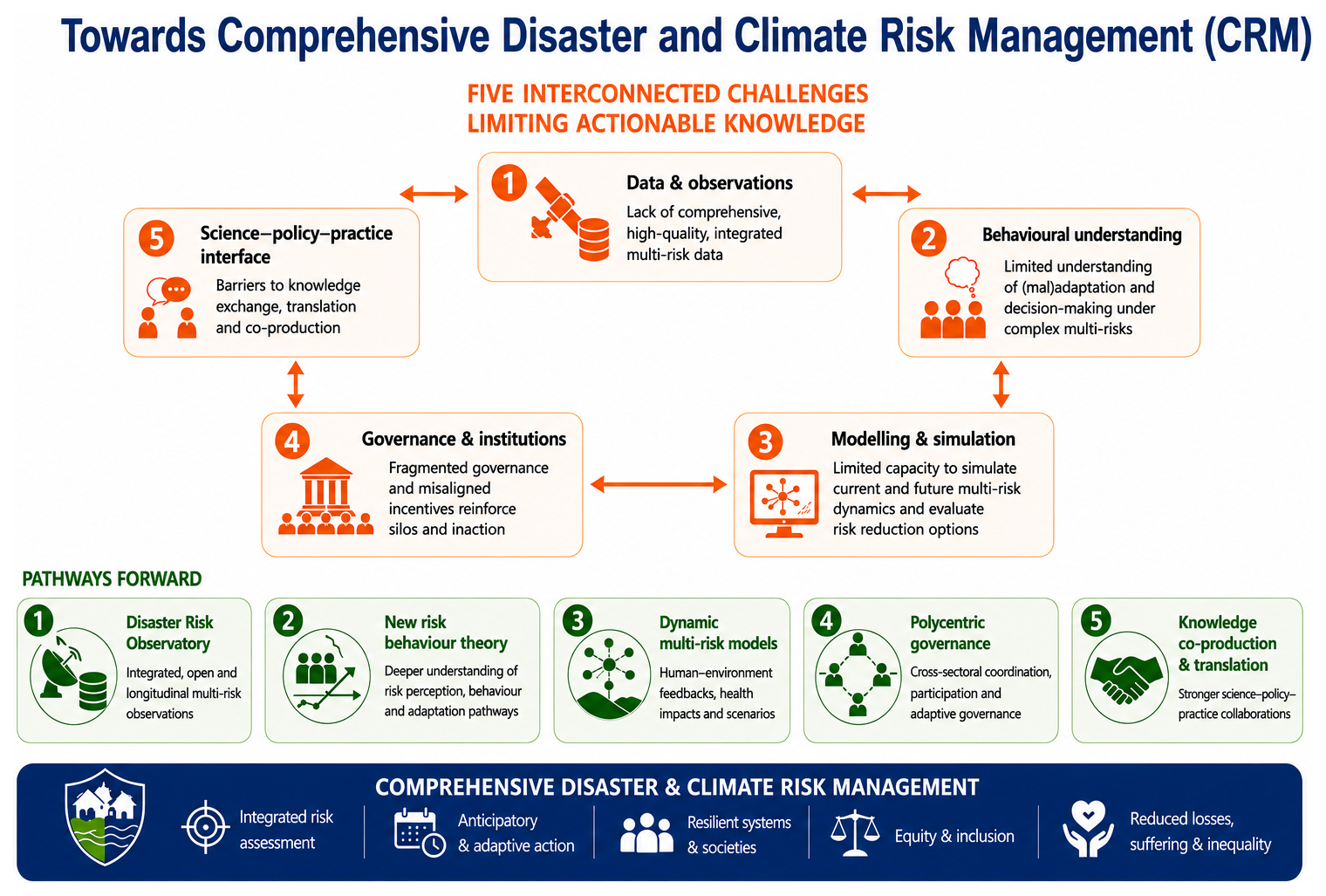
Figure 1Graphic overview of the challenges addressed in the paper and the proposed ways forward (generated with the assistance of ChatGPT).
In the following sub-sections, we explore each of the aforementioned five core challenges, followed by concrete suggestions on ways forward to address them. The challenges were identified using the expert judgement of the interdisciplinary author team. This team consists of experts who have been working on the topic from different angles and disciplines, including climate risk, geophysical risks, biological hazards that cause infectious diseases, social and behavioural science, disaster governance, public health, development studies, crisis management, societal resilience, and climate adaptation. The challenges are by no means exhaustive. Instead, the five challenges discussed represent key challenges that we regularly face through our multi-, inter-, and transdisciplinary endeavours in different contextual settings. An overview of the challenges and our proposed ways forward are shown in graphic representation of the paper in Fig. 1.
2.1 Observing societal impact, preparation, and response to multi-risks
2.1.1 Challenges
Despite the recent proliferation of data on natural hazards (especially climate data), exposure, and vulnerability, we lack comprehensive, high-quality, data for observing how society is impacted by, prepares for, and responds to multi-risks (Ward et al., 2022, 2026). For a part, this stems from the fact that data related to different aspects of disaster risk are produced and stored in disciplinary and sectoral silos. For example, health scientists collect and curate data related to biological hazards that cause infectious diseases, hydrologists collect and curate datasets related to flood and drought hazards, climate scientists collect and curate datasets related to meteorological hazards, and geologists, seismologists, and vulcanologists collect and curate data related to earthquakes and volcanoes. What is more, scientists from these disciplines often develop their own exposure and vulnerability datasets, which are also developed by social scientists (e.g., individuals' perceptions of risks and motivation to prepare for risks), geographers, demographers, and so forth. This siloisation, and lack of data governance across disciplines and sectors, means that hazard maps, exposure databases, and vulnerability surveys cannot be easily joined or analysed together, preventing a holistic view of multi-hazard risk (Migliorini et al., 2019). Within the siloisation, there are large disparities in data quality between the Global North and Global South, due to the digital divide, chronic underinvestment in statistical and information infrastructures (such as lower densities of weather observation networks) (Dinku, 2019), institutional fragmentation, and weak data governance.
Even when data exist, their spatial and/or temporal scales may not match, obscuring local hotspots of risk. For example, urban heat islands, flash floods, or debris flows often occur at sub-city scales that global datasets or coarse hazard models cannot resolve. Likewise, social and health data are typically aggregated at the district or province level, masking intra-city or informal-settlement vulnerabilities (Lee et al., 2020; Sairam and de Ruiter, 2026). Moreover, local knowledge is not acknowledged and used enough, and we see a lack of systematic and scientific integration of citizen science into risk and resilience mapping (e.g. Albagli and Iwama, 2022).
While risk continually evolves over time, our data often do not. Climate and hazard indicators (e.g. rainfall indices, temperature anomalies) may be available from monitoring networks or reanalysis at high frequency, yet exposure and vulnerability data (like census counts or poverty surveys) are updated only rarely. In many cases, vulnerability is represented by a few “episodic snapshots” (e.g. last census, last household survey) that quickly become outdated. Moreover, impact data are collected after each event, following certain data collection protocols. These protocols can differ depending on the scale of the disaster and the actors involved in the response. Also, impact data collection usually focuses on the tangible and direct losses, whereby indirect and intangible losses (e.g., mental and social health, loss of place identity, social cohesion), which are more complex to assess and measure, are overlooked (Birkmann et al., 2026). Such loss-based data also neglect the impact on communities, social fabric, or economy – and data on behavioural adaptation are often entirely missing. The dominant global disaster loss database (EM-DAT) primarily records disaster impacts that are already aggregated by its reporting sources at regional scales, making it difficult to see local variations, and so it provides little insight on trends at the finer level. Ministries of Health have health information systems to record health data; these data cannot be easily disclosed as they contain personally identifiable information. Many low- and middle-income countries are also dependent on external funding sources to maintain their so-called District Health Information Software (DHIS2) and to regularly conduct Demographic and Health Surveys. The sustainability of this data collection is under threat due to budget cuts (Khaki et al., 2025). Further, impact data often have a short-term focus (first order impacts), neglecting longer-term path-dependencies (second order impacts) that, in turn, may further amplify vulnerabilities or maladaptive policies (Sirenko et al., 2026b). As a result, adaptive or maladaptive changes may go unnoticed until a new disaster reveals them (Simpson et al., 2021; De Ruiter and van Loon, 2022). Even then, we still face challenges in learning from past disasters. Traditional disaster forensic analysis techniques (such as FORIN, PERC; Ferreira et al., 2023) have historically emphasised examining a single focal event and its immediate drivers, rather than fully unpacking cascading, compound, or interacting events over extended temporal and spatial scales. Each disaster produces rich data (satellite imagery, sensor records, official reports, social media, etc.). AI-techniques, such as deep learning, can be used to extract damage data from remote sensing data (Valentijn et al., 2020), and LLMs to extract impact data from newspapers (Sodoge et al., 2023). But this information, extracted from one big data type, is seldom systematically and holistically codified for future use (Feng et al., 2022; van Maanen et al., 2025). As a result, valuable insights about cascading impacts, the performance of risk reduction measures, or unexpected vulnerabilities are left unobserved.
2.1.2 Why does it matter for CRM?
CRM requires understanding how risks evolve, interact, and cascade over time and space. In practice, siloisation, incompatible data standards, and stale information flows become “critical issues” that hinder preparedness and response (Migliorini et al., 2019). For example, agencies may have detailed flood maps at high resolution but lack matching census-based data on vulnerable populations in the same area, so that risk drivers in one system cannot be linked to the other. Nature-based solutions aimed at reducing the risk of floods or extreme heat, such as blue and green roofs or wadis, can have opposing effects on the risk of disease outbreaks as they create breeding grounds for mosquitos carrying vector-borne diseases in cities (Boas Berg et al., 2018; Sikkema and Koopmans, 2026). Besides, the way people perceive risks and their motivation to mitigate and manage the risks can vary from region to region, and with different cultural contexts. The result is an evidence base that is partial and inconsistent, informing decisions in isolation rather than as interconnected pieces of risk.
Additionally, spatial mismatches can lead to resource misallocation. For example, flood defences may be built based on national-scale models that overlook an informal settlement's drainage problems, thereby increasing flood and disease risk there (Tilloy et al., 2019) or on social vulnerability indices or local values and identities (Savelberg et al., 2025). Temporal misalignment means we cannot reliably observe how risk is changing or whether resilience gains (or losses) have occurred in the past. As a result, adaptive or maladaptive changes may go unnoticed until a new disaster reveals them, leading to a lack of adaptive learning. This gap means that warning systems, design standards, and policies adapt only slowly; “lessons learned” are often rediscovered after each crisis instead of being embedded in advance.
2.1.3 Ways forward
As emphasised by international data initiatives, such as the Strategic Framework on Geospatial Information and Services for Disasters from UN-GGIM, and the Global Disaster-Related Statistics Framework (G-DRSF), bringing disparate streams together can unlock synergies across disciplines and sectors in terms of our ability to observe changes in risk and its underlying drivers. To achieve this, integrated data platforms, such as UNDRR's DELTA Resilience (previously Sendai Desinventar), UN OCHAs Humanitarian Data Exchange, and EUs DRKMC Risk Data Hub, and standardised data protocols are essential. By adopting common data schemas and open standards, this could allow for interoperability between different data types, such as earth-observation layers, sensor data, census records, and community surveys.
For example, addressing spatial and temporal scale mismatches can be achieved by recording new events by using WMO's Cataloguing of Hazardous Event unique identifier, allowing close mapping with DesInventar Sendai–derived impact data structures, linking continued advances in satellite and drone mapping, with participatory mapping initiatives where communities collect data on housing quality, livelihoods, or hazard events. For example, combining frequent earth-observation time series (e.g. satellite imagery, weather data) with routinely collected population data (mobile phone records, utility usage, social media) can provide near-real-time proxies for exposure and vulnerability. To understand how risk and its underlying drivers change over time, we need more focus on conducting longitudinal and cohort studies that track how exposure, vulnerability, and human behaviour evolve in the face of multi-hazards. For example, longitudinal studies on flood risk have helped to understand changes in risk reduction behaviour in Germany (e.g. Hudson et al., 2020), and long-term studies combining landscape level associations between birds, mosquitoes, and microclimates have allowed us to get a better understanding of the non-random spatial distribution and cascading effects of mosquito-borne disease outbreaks (Krol et al., 2024). Dedicated national, regional, and local poll data are needed to track people's risk perceptions and motivations to take measures, as well as whether they did actually take measures; perceived risk contamination and willingness to wear masks and get vaccinated throughout COVID-19 outburst is just one example – such public opinion measures would need to be done in a more structured and organised way.
Moreover, we need to better learn from multi-risk events in real-time as they unfold through forensic analyses post-event (UNDRR, 2025). By combining near-real-time remote sensing and other big data sources, such as social media, mobile operator data or emergency data, with Post-Disaster Needs Assessments and other secondary data, we can track the cascading effects of these events and monitor recovery over time. A concerted effort over time would enable the systematic analysis of trends and outliers across crises. This information could also be used to allow us to better anticipate and prepare for future crises before they happen, for example using counterfactual studies. For example, in climate sciences the concept of climate storylines has become popular over the last decade (Shepherd et al., 2018; Sillmann et al., 2021; Cocuccioni et al., 2025). Climate storylines refer to “physically self-consistent unfolding of past events, or of plausible future events or pathways” (Shepherd et al., 2018), and they have recently been extended to the multi-risk context by Crummy et al. (2025), but more exploration could unlock their potential.
To complement such probabilistic approaches, multi-hazard and multi-risk storylines offer an alternative by focusing on plausibility rather than probability, building on the concept of climate storylines (e.g. Shepherd et al., 2018; Sillmann et al., 2021). MYRIAD-EU has developed an approach to storylines that explores cause-and-effect relationships in multi-hazard and multi-risk systems (Crummy et al., 2025). Drawing on past events for context, MYRIAD-EU explored the application of storylines to support multi-hazard decision-making through co-creation and iterative exploration (Crummy et al., 2025; Casartelli et al., 2025). This approach supports understanding of complex events and the development of forward-looking decision pathways in the Pilot regions (Sect. 2.4 and 2.5). The development of storylines supports a holistic examination of cascading effects, critical thresholds and emerging risks (Cocuccioni et al., 2025).
2.2 Incomplete understanding of actor decision-making within a multi-hazard context
2.2.1 Challenges
Despite large progress in the last few decades on the understanding of perception, evaluation, and behavioural responses to various risks, we have limited understanding on why individuals, communities, and other decision actors prepare for and respond to complex multi-risks in the way they do. Across psychology, sociology, economics, policy studies, and other related fields, rich sets of theory have emerged that conceptualise people's decisions under risk and uncertainty (Kuhlicke et al., 2023), building on seminal theories in economics and the decision and behavioural sciences developed in the early and mid-20th century, such as Expected Utility Theory (von Neumann and Morgenstern, 1947), Prospect Theory (e.g., Kahnemann and Tversky, 1979), Theory of Planned Behaviour (Ajzen, 1991) and Protection Motivation Theory (Rogers, 1975; Wachinger et al., 2013). Importantly, all theories stress the link between uncertain, delayed, or risky information and behaviour or action. More recent extensions stress the links of informational and social networks (Kim and Hastak, 2018). Empirical work has further complemented these theoretical and conceptual developments with meta-analyses, surveys, and field experiments (van Valkengoed and Steg, 2019; Noll et al., 2022, 2023). In parallel, a proliferation of digital and simulation methods increasingly use these theoretical and conceptual developments to analyse long-term dynamics of actors exposed to a specific risk, including the behavioural choices that shape their resilience (Haer et al., 2019; Taberna et al., 2023a; Sauer et al., 2025).
However, existing theoretical and conceptual developments fall short in three ways. First, theories have often been developed within single-hazard landscapes. Existing theories typically focus on one-time choices (e.g. Protection Motivation Theory). Yet, decision-making processes may differ for a single versus multi-hazard risk context. This may result in suboptimal (or even maladaptive) behaviour (Magnan et al., 2016; Eusse-Villa et al., 2024; Sirenko et al., 2026a). For instance, if households are exposed to frequent floods (with lower impact) as well as infrequent earthquakes (with higher impacts), they may be biased towards using their scarce resources to cope with and prepare for flood impacts, rather than earthquakes. However, experiences with one risk may also raise awareness about the other types of risks (see e.g. Sullivan-Wiley and Gianotti, 2017). For instance, households that are well adjusted to one type of risk (e.g., extreme rainfall), may be better prepared for other lower probability risks (e.g., cyclones). In a similar fashion, people, firms and other actors are increasingly exposed to indirect risk impact channels, so-called systemic risks. For example, droughts elsewhere may affect food prices, affecting the purchasing power of households (Hill and Porter, 2017), flooding of firms may impact the supply of goods to firms downstream in the supply-chain (Koks et al., 2019), and flood-induced disease outbreaks and associated breakdown of health systems can significantly impact health outcomes (Leppold et al., 2022; Sairam and de Ruiter, 2026). How actors perceive such risks and form expectations about their impacts is likely different from risks materialising locally (Miller et al., 2024). This may introduce perception bias and reduced salience to address such risks. Taken together, how well existing theories and conceptual understandings “perform” within multi-risk and systemic risk contexts remains unclear.
Second, the empirical grounding of aforementioned theories and conceptual framework across different geographical and cultural contexts has been limited within a multi-risk context, with little systematic comparative research across different settings (Noll et al., 2022). As a result, it remains unclear which behavioural responses are context-specific and which reflect more general drivers, constraining the transferability and robustness of existing theories. For instance, risk theories increasingly recognise that actors do not make decisions in isolation, but form expectations about the behaviour of others and adjust their own actions accordingly (MacGillivray, 2018; van Valkengoed and Steg, 2019; Choquette-Levy et al., 2024; Hao and Peng, 2026). This points to the importance of prevailing social networks and social norms (MacGillivray, 2018). Yet, there is limited theoretical understanding of how expectations about the behaviour of institutions, organisations, and actors beyond the local community shape individual and collective risk behaviour over time (Taberna et al., 2023b), especially in a multi-risk context.
Third, while most theoretical frameworks acknowledge the importance of long-term feedback loops and learning processes (Kuhlicke et al., 2023), most empirical analyses often only capture a single snapshot moment. As a result, existing analyses provide limited insight into how learning from risk unfolds unevenly across social groups (Arcaya et al., 2020), and how repeated exposure to changing hazards and differential access to information, resources, and influence shape divergent risk trajectories over time (Sauer et al., 2025). It also neglects important feedback loops between behaviour and risk perception; for example, in theory, high risk perception may encourage adaptive responses, and resulting protective behaviour may result in lower risk perception, and one could theorise more such feedback loops based on models that exist (van Valkengoed et al., 2025). Current literature is unable to verify such hypotheses, because of the lack of longitudinal data and the lack of theoretical and empirical base on long-term development and interactions between the key constructs related to risk perceptions and behaviours. Longitudinal studies that monitor risk perception and behaviour over time are needed to identify such feedback loops.
2.2.2 Why does it matter for CRM?
Understanding how different actors prepare for and respond to complex multi-risks is key for CRM. However, the current theoretical limitations are increasingly problematic in contemporary risk landscapes characterised by multi-hazards, interdependencies, increasing proliferation of digital technologies, and rapid socio-environmental and political change. Actors are now routinely affected by a multitude of risks that unfold across spatial and temporal scales, involve indirect exposure, and are shaped by the behaviour of others far beyond their immediate context. As a result, there is a growing mismatch between the complexity of real-world risk environments and the conceptual and empirical assessment tools available to understand and model actor behaviour within them. Consequently, existing CRM approaches, underpinned by quantitative and qualitative assessments based on these theories, often fail to account for this complex nature of multi-risks, resulting in potentially ineffective and/or maladaptive decisions.
2.2.3 Ways forward
To overcome the aforementioned research gaps, we propose two ways to move the research agenda forward. First, by making use of longitudinal survey data, as also described in Sect. 2.1. Using data from high-frequency, yet longitudinal surveys could help us to better understand the dynamic feedback and learning processes, not just across contexts and hazards but also across alternative socio-behavioural assumptions. Moreover, such datasets would help test and validate how a multi-risk context shapes risk perception and decision-making processes at different levels.
Second, research must move beyond theories grounded primarily in well-resourced settings and limited hazard types. Progress requires systematic comparative studies that examine how expectations, social interdependence, power, and learning unfold across diverse hazards, institutional arrangements, and socio-economic contexts, particularly where impacts are most severe. Linking pre-event social and institutional conditions to post-event behavioural and risk outcomes across multiple cases is essential to test mechanisms rather than assume them. Such comparative, longitudinal evidence would enable the development of generalisable theories on disaster risk decisions that distinguish context-specific dynamics from general processes shaping preparedness, coping, and long-term adaptation under unequal and repeated hazards.
The importance of better understanding the root drivers by better integrating social science knowledge is being taken up by UNDRR. For example, its Global Assessment Report Special Report 2024 (UNDRR, 2024) focused on how forensic insights from past disasters can shape future resilience. An example at project-level of bridging this divide is the UNITY project, which has the goal to develop an integrated assessment framework for pandemic preparedness and response in which biomedical, societal and economical perspectives are brought together to provide actionable, evidence-based advice for policymakers.
2.3 Simulating risk
2.3.1 Challenges
As a result of these multi-risk observation and understanding challenges, as well as further conceptual and computational challenges, our capacity to simulate how both current and future risk could be effectively reduced is hampered. Some advances have been made in recent years in moving from single hazard-risk simulation to multiple hazard-risk simulation, whereby the risk of a system to a range of different individual hazards is assessed (e.g. Koks et al., 2019; Verschuur et al., 2024). However, even in these cases the simulation of biological hazards that cause infectious diseases is generally missing (Tilloy et al., 2019; Mazdiyasni and AghaKouchak, 2020), despite explicit calls to include them and their impacts from UNDRR and WHO (Sairam and de Ruiter, 2026). Where multiple hazard assessments exist, they tend to focus on one impact pathway, such as direct property damages or infrastructure disruptions (e.g. Koks et al., 2019; Verschuur et al., 2024), in isolation, with limited consideration of their interactions. However, these impact pathways come together at the actor level (e.g. individuals, firms, governments, etc), where multiple impact pathways may amplify each other.
However, advances towards true multi-risk simulations are limited. In particular, in recent years, international organisations such as the UNDRR and WHO have encouraged scientists to expand their disaster risk models by including disease outbreaks and health elements (Sairam and de Ruiter, 2026). Health impacts, in particular, are complex and produce heterogeneous outcomes at the individual level, necessitating risk reduction measures tailored to specific times, places, and contexts. Mental and social health outcomes are particularly difficult to capture and measure, while their effects on societies as a whole can be very damaging, adverse, and long-lived. As such, capturing and simulating these dynamics is essential for building a systemic understanding of disaster–disease outbreak interactions and their health consequences. Although the SFDRR (UNDRR, 2025) recognises the importance of health-related outcomes, they are still rarely integrated into risk simulations (Mazdiyasni and AghaKouchak, 2020; Tilloy et al., 2019).
A major gap is in our ability to incorporate vulnerability dynamics into our risk simulations (Hagenlocher et al., 2019; Simpson et al., 2021; Drakes and Tate, 2022). Here, we refer to changes in vulnerability in both space and time. Following De Ruiter and van Loon (2022), these could be either: (1) underlying dynamics of vulnerability; (2) changes in vulnerability during long-lasting disasters, and (3) changes in vulnerability during compounding disasters. Even for single hazard risk simulations, a review of large-scale risk models by Ward et al. (2020) showed that vulnerability was either excluded in most studies or included in a highly stylised way. Of the ∼70 studies reviewed, only 2 included dynamic vulnerability. Over the last decade some advances have been made in including dynamic vulnerability at more local scales for single hazards. For example, a review of research on flood vulnerability by Schlumberger et al. (2026) finds that several studies have done this using an agent-based modelling approach, with a few others using systems dynamics modelling. However, an ongoing review being performed as part of the MYRIAD-EU project finds very little research that includes vulnerability dynamics in multi-hazard simulations. Vulnerability dynamics are difficult to capture, as vulnerability itself is often shaped by feedbacks between experience of, and adaptation to, previous hazards (De Ruiter and van Loon, 2022). Yet, especially prolonged crises such as the Covid19 pandemic will likely lead to behavioural adaptation or maladaptation during the response (Champlin et al., 2023; Raju et al., 2024; Sirenko et al., 2026a). Also, the specific vulnerabilities between different groups in society can lead to unequal levels and pathways of impacts and recovery (Haer and de Ruiter, 2024). Moreover, socio-psychological factors are important in determining public acceptance of risk management measures (van Valkengoed et al., 2025). Nonetheless, in simulation models these aspects are ignored or represented in a highly aggregated manner, constraining the models' capacity to reflect adaptive decision-making, social heterogeneity, and feedbacks between human behaviour and the environment (Aerts, 2020), potentially leaving out those marginalised and vulnerable communities that face the highest risks.
A further challenge is model validation. Validation of disaster risk simulation output is still underappreciated, which is also constrained by the fact that most validation data are still collected in terms of aggregate numbers, with limited spatial detail. In reality, disasters are inherently local processes, with impacts taking place at the local scale, and therefore locally-relevant data are fundamental (Davies and Davies, 2018) for validating our models and allowing them to be used for strengthening community resilience. The lack of validation data is holding back further developments. This is particularly critical for low-probability, high-impact hazard events, which may intensify under climate change, yet lack sufficient data for accurate modelling and local-scale validation.
2.3.2 Why does it matter for CRM?
CRM depends on understanding how risks accumulate, interact, and evolve across hazards, space, time, and sectors. Simplified models that do not account for these complexities can under- or over-estimate multi-risk, which could potentially lead to maladaptive responses. Health impacts, in particular, are complex and produce heterogeneous outcomes at the individual level, necessitating risk reduction measures tailored to specific times, places, and contexts (Sairam and de Ruiter, 2026). Moreover, our lack of data for training and validating the results of simulations holds back our ability to trust model results. This is particularly critical for low-probability, high-impact hazard events, which may intensify under climate change (e.g. Sun et al., 2025). Without validated models that account for the complexities of multi-risk, we cannot test risk reduction strategies under compounding and cascading risks – or detect maladaptation before it locks in.
2.3.3 Ways forward
We propose a research shift towards simulations that include multiple hazards and their interactions, and also the dynamic interactions with exposure and vulnerability across time, while accounting for different societal groups. This includes broadening the scope of analysis to include dimensions such as physical vulnerability, social vulnerability, health vulnerability, and resilience, and agency/coping potential. This would require merging data from multiple sources, in order to understand how they interact in the real-world, as also discussed in Sect. 2.2. We also see opportunities for model validation by harnessing the datasets called for in Sect. 2.1.
Modelling the dynamics and feedback between hazards and humans requires approaches that explicitly simulate feedback between human decisions and changing risk. Examples include system-dynamic models that use stylised decision rules to represent adaptation over time (e.g. Barendrecht et al., 2017) or agent-based models that represent individual agents (e.g. individuals, households, firms, governments) interacting with each other and with the physical environment (e.g. Aerts, 2020). In these models, decision rules can be parameterised with survey data and socio-economic indicators to capture how behavioural tendencies and social constraints shape adaptation outcomes. Large advances have been made in applying ABMs to single hazard contexts in recent years (e.g. floods see Aerts, 2020; Anshuka et al., 2022), droughts (see Alam et al., 2022; Streefkerk et al., 2023) and outbreak response (see Vermeulen et al., 2021; De la Paz-Ruíz et al., 2025), yet there has been little progress in a multi-hazard or multi-risk context. Moreover, it is important to include socio-psychological factors in these models in order to more accurately and realistically assess risk management potential (van Valkengoed et al., 2025).
A challenge is that simulating these interlinked processes at large scales yet high granularity requires a solid empirical foundation; this applies to all of the aforementioned dimensions, including the physical and socioeconomic processes, as well as socio-psychological aspects relating to behaviour and perception. In addition, it is computationally demanding, but advances in high-performance computing (Leijnse et al., 2021) and the integration of human decision-making into hazard models are making it increasingly feasible (de Bruijn et al., 2023; Feng et al., 2020; Liang et al., 2025).
2.4 Fragmented and insufficiently adaptive governance
2.4.1 Challenges
Underlying the issues around fragmentation and actionability of multi-risk datasets, models, and theories are fundamental governance dilemmas that influence how the management of risks are understood, financed, and acted upon. The complex interdependencies arising from multi-risks amplify existing normative challenges faced by institutions (Šakić Trogrlić et al., 2024), with fragmented responsibilities making it harder to clarify “who is responsible” (Padilla et al., 2021; Liu and Renn, 2025). In fact, different mandates may overlap, or it may not be specified which institutions are responsible when risks interact (Alcántara-Ayala, 2025). An increasingly urgent question relates to citizens' own capacity and willingness to mitigate and deal with multi-risks, as established institutions may no longer guarantee the same security in the face of cascading risks (e.g., insurance companies stopping insuring homes in areas prone to climate change risks). Moreover, public and/or community participation so far has limited structural and institutional embedding in multi-risk governance. Even where advisory groups (Baxter, 2019), participatory governance mechanisms (Barquet and Cumiskey, 2017; Barton et al., 2020; Bierens et al., 2020), and community-engaged risk management processes including living labs (Boersma et al., 2022) and citizen observatories (e.g. Cobweb, https://www.ogc.org/initiatives/cobweb/, last access: 8 June 2026; Safecast https://safecast.org/, last access: 8 June 2026) have emerged, they often suffer from limitations owing to semi-formalisation, as well as administrative, financial, and sectoral barriers. Additionally, political and budgetary cycles favour short term actions making it difficult to incentivise (and hold accountable) institutions for long term multi-risk funding and planning.
At the operational level, disaster governance systems and institutions are frequently organised in isolated pillars, preventing the pooling of knowledge and resources, hindering collaboration and slowing down decision-making (Christensen et al., 2016; De Boer et al., 2025); this is worsened in the multi-risk context. This siloing results in a lack of coordination and decision-making mechanisms, both across government levels and between state and non-state actors (Lane and Hesselman, 2017; Meriläinen et al., 2020). Mechanisms of exclusion, political constraints, the absence of co-ownership, and the lack of collective sensemaking can further create constraints to collaboration (Wolbers and Boersma, 2013; Mizutori, 2020). Equally challenging is the separation between formal and informal practices, and between normative frameworks for disaster governance and everyday coping mechanisms (Hilhorst et al., 2020). More public participation in decision-making processes has been advocated in environmental governance (e.g., Beierle and Cayford, 2002) and climate policy making (e.g., Willis et al., 2022), but its role and expected impacts in risk governance in particular demands further attention.Another crucial issue is the growing need for improved data governance. As highlighted earlier in this paper, domain specific institutions and agencies are often fine-tuned to produce and use data to address specific risks/hazards, and therefore encounter political, technical and methodological, and legal barriers to accessing, using, and sharing data for creating robust multi-risk datasets (Fischer-Preßler et al., 2024; Claassen et al., 2023; Clark, 2017). This includes a lack of interconnections between actors due to the nature of the datasets (in terms of composition, storage, and usage), as well as organisational and bureaucratic constraints such as specific mandates. Other issues relate to power asymmetries, legitimacy, accountability, accessibility, sensitive information, and funding (dis-)advantages (Lentz and Maxwell, 2022). Integration of social sciences variables in datasets and models dominated by technocratic and cost-effectiveness-led approaches is urgently needed but remains challenging (Trutnevyte et al., 2019; van Valkengoed et al., 2025).
Lastly, integrating multi-risk approaches into organisational protocols and routines requires adaptive and transformative changes to the cultures and structures of disaster management authorities and institutions. Here we refer to impactful ways of learning to address the complexities of “wicked” problems – that is problems with no definitive solution owing to their complex interconnected, evolving, or contested nature (Termeer et al., 2019; Van den Ende et al., 2023). This is a major challenge: on the one hand disaster management institutions are constrained by institutional norms and environments, and on the other hand they lack the capacities (e.g. time, resources, authority, knowledge, funding) to invest in learning processes that lead to meaningful changes. Besides, risk mitigation and management measures can face public resistance if citizens feel that decisions are made top-down, without a real possibility for citizens to take part in decision making. Innovative forms of public engagement are increasing, with citizen climate assemblies being a prominent example (Lorenzoni et al., 2025), providing a potentially interesting test bed for engaging citizens in decisions on multi-risk governance.
2.4.2 Why does it matter for CRM?
CRM depends on governance systems that can anticipate interacting risks; coordinate actions across domains and levels; and learn and adapt over time. Fragmented governance leads to unclear responsibilities and accountability when risks interact, duplication of efforts and gaps in preparedness and response, and loss of trust, legitimacy, and compliance. Without adaptive and inclusive governance, even good data, understanding, and models may fail to translate into effective and equitable risk reduction. The Sendai Framework highlights the importance of strengthening disaster risk governance to manage disaster risk, with this being one of its four Priorities for Action. Recent scholarly work increasingly points to framing disaster governance as the broader framework that shapes how risk is understood, financed, and acted upon (Djalante and Lassa, 2019; Hilhorst et al., 2020; Mizutori, 2020). This is essential, as it moves beyond the traditional framing of risk around the “disaster cycle”, i.e. prevention and preparedness before a crisis, response once an event unfolds, and recovery and reconstruction in its aftermath (Khan et al., 2008) as it is increasingly recognised that these phases blur in practice (Sawalha, 2020; Waseem and Rana, 2025).Citizen engagement in risk governance needs to be explicitly considered and enacted in a more professional and evidence-based manner than one-off attempts without formal mandate. Engagement of local communities in decision making might not only facilitate better-quality decisions but also strengthen community identity and resilience (Davies, 2015); yet such attempts need to be better documented, and their effects better monitored and shared across sectors and disciplines.
2.4.3 Ways forward
A promising framework to address these governance challenges is the poly-centric governance approach (Djalante et al., 2011; Berardo and Lubell, 2016), which emphasises the importance of interconnection among diverse stakeholders and systems in complex risk environments. It calls for adaptive, networked, and inclusive governance approaches to bridge institutional gaps, integrate diverse forms of knowledge and practice, and build trust across actors (Comfort et al., 2010). This means investigating innovative approaches for streamlining bureaucratic procedures, fostering meaningful cross-sectoral collaboration with delineations of boundaries and responsibilities, and creating hybrid governance arrangements that can function in fragile, complex, and uncertain contexts.
The poly-centric approach is also useful for understanding how participatory and net-centric (i.e. a management approach built on a robust, interconnected network of people, processes, and technology) governance principles may support coordination, information-sharing, and collective decision-making among diverse stakeholders (Carlisle and Gruby, 2019; Morrison et al., 2023). Netcentric-governance seeks to strengthen self-organising networks that are supported by shared organisational infrastructures, enabling vertical and horizontal distribution of authority across local, provincial, national, supranational, and global levels of government. As it includes state actors, established and emerging response organisations and societal groups and grassroots movements, the approach also answers growing calls for an “all-of-society” approach to disaster governance (UNDRR, 2019; Clark et al., 2025). Moreover, the net-centric dimensions of poly-centric governance emphasise the importance of supporting digital infrastructures and architectures (Jones and Thompson, 2007; Boersma et al., 2012; Wolbers et al., 2023). Such an approach highlights both the technical requirements for data interoperability and the political, legal, and organisational dimensions of sharing information across institutional boundaries. Besides, new forms of direct public participation in decision making (e.g. citizen assemblies) and their role in multi-risk governance need to be investigated, and there is a need for a critical analysis of possible exclusion in governance of marginalised groups who may also be most vulnerable (e.g. indigenous communities). By its nature, a poly-centric governance approach requires learning across and within sectors and disciplines, which enables institutions to exchange knowledge and co-create instruments/solutions for addressing complex and wicked problems. This means investigating and investing in new methods of learning that facilitate transformational pathways towards meaningful and impactful change.
2.5 Barriers in knowledge exchange at the science, policy and practice interface
2.5.1 Challenges
The aforementioned science challenges reveal that the management of multi-risks is a complex problem. A further challenge focuses on how knowledge is produced, integrated, and mobilised across science, policy, and practice. Fragmentation of knowledge systems and siloed structures hinders disaster management at all phases. Advisory and response architectures are often discipline-centric and sectoral, impeding timely integration of contextual knowledge from social, economic and behavioural sciences with natural and biomedical sciences. For example, during COVID-19 in the Netherlands, biomedical expertise provided by the Outbreak Management Team dominated scientific advice in the initial phases; while social and economic perspectives were added later in parallel structures, such as the Social Impact Team. This risks reinforcing rather than resolving compartmentalisation and potentially weakening the capacity for coordinated response (Jasanoff et al., 2021; OvV, 2023).
Asymmetries of power and representation are often evident in the production and uptake of policy- and practice-relevant knowledge. Internationally visible research from WEIRD (Western, Educated, Industrialized, Rich, Democratic) (Henrich et al., 2010) contexts with quantitative evidence tends to travel more readily into policy, while locally grounded perspectives and tacit knowledge remain under-represented, reinforcing epistemic injustices (García Álvarez, 2024). Along with under-representation of social sciences and humanities, these lead to blind spots, particularly on underrepresented and marginalised groups (Brown et al., 2023; Anthonj et al., 2024, 2025). Despite calls for meaningful participation and the recognition of diverse epistemologies, such as the Grand Bargain (OCHA, 2016) and the Disaster Studies Manifesto (Radix, 2020), many study designs still default to extractive models and narrow metrics and require more inclusive approaches (Eelaferi et al., 2022a). Power imbalances also appear in research funding, where donor priorities can skew attention away from locally salient risks and under-represented voices (Eelaferi et al., 2022b; Turnhout, 2024). Under-represented voices can be captured through, for example, locally grounded accounts of hazard exposure, coping capacities, risk perceptions, lived experiences of cascading impacts, informal support mechanisms and collective action, and community-defined priorities that are often absent from conventional datasets. Formats for expression can vary depending on the under-represented group, context and location, and could include tacit knowledge dimensions, video, photo, and visual accounts (Anthonj et al., 2025). Evaluation of data in integrated risk assessments should go beyond statistical representativeness and empirical validity. There is a need for openness, transparent, contextually relevant triangulation and transferability.
Even when relevant actors are “in the room”, science-policy-practice integration can falter due to limited epistemic fluency, i.e. the capacity to translate and integrate heterogeneous knowledge (Star and Griesemer, 1989; Waltz et al. 2025). Knowledge translation is often treated as linear dissemination from science to society, rather than dialogue and co-production with stakeholders. Public participation, if any, is typically restricted to information provision (e.g., from the government to citizens) and/or citizen science (citizens as data sources, not co-deciders). Moreover, co-location of disciplines does not in itself lead to knowledge integration, as institutional logics, evaluation regimes, and disciplinary norms continue to structure interaction (Silvast and Foulds, 2022). Explicit frameworks to facilitate this exchange and integrate different disciplinary perspectives to form science advice during a crisis are limited, unevenly used, and rarely evaluated within advisory routines and decision cycles. Broad evidence-to-decision frameworks such as WHO-Integrate exist (Rehfuess et al., 2019), but their use for integrating biomedical, social and economic evidence in national pandemic scenarios remains limited (Waltz et al., 2025). There is a need for systematic tools that facilitate interdisciplinary deliberation and integration of knowledge, supported by robust data infrastructures. Continuous reflection and learning need to be an inherent part of frameworks for their adaptability to the variety of multi-risk cases and contexts, to ensure their operationalisation and usefulness during time and resource constraints of crisis times.
2.5.2 Why does it matter for CRM?
Across cases and literatures, this fragmentation, power/representation asymmetries, limited epistemic fluency, and missing integrative frameworks interact to produce a self-reinforcing system: siloed institutions and funding logics shape what kind of knowledge is produced and heard; under-representation and data biases limit contextual fit; absence of collaborative spaces hamper shared problem framing; and the scarcity of embedded, evaluated integration tools prevents learning-by-doing. Taken together, these mechanisms constitute a coupled-systems failure: institutions ask for integrative, use-oriented knowledge while the research and innovation system is not yet organised to supply it at the right times and scales (Kok et al., 2019). CRM depends on timely, credible, and legitimate knowledge across disaster preparedness, early warning, response, and recovery; between multiple hazards; and across interacting sectors. Weak science-policy-practice linkages can lead to: delayed or unbalanced advice during crises; limited uptake of evidence in planning and adaptation; and reduced public trust and compliance. Without this effective integration, risk management may inadvertently risk reinforcing existing inequalities and blind spots.
2.5.3 Ways forward
Therefore, effective and comprehensive multi-risk management depends on: (1) holistic integration of knowledge from multiple scientific disciplines, and policy and practice fields; (2) sustained collaboration among science, policy, practice, affected communities, and society at large; and (3) iterative learning that adapts to context and uncertainty. This is consistent with the WHO Health Emergency and Disaster Risk Management Framework and the Sendai Framework's emphasis on multi-hazard, multisectoral and inclusive approaches where communities should be in the driving seat (WHO, 2019; UNDRR, 2023).
To achieve this requires the adoption of systems approaches for the complex problem of multi-risk management, which transform the problem and solution domains together. An important question to be addressed is how different elements in science, policy and practice are reproducing systemic persistent challenges in DRM. We also need to embed co-production and participation throughout the research and innovation cycle, fostering responsible research and innovation. This entails building upon local knowledge, which could lead to far greater insights towards solving complex problems. To achieve this it is important to address the barriers and enablers for involving citizens and other stakeholders in science for DRM, when covering different hazards and sectors.
We also need to strengthen knowledge integration and translation mechanisms. Established knowledge translation frameworks emphasise iterative engagement, contextualisation, and co-learning (Graham et al., 2006; van Kerkhoff and Lebel, 2006; Spiekermann et al., 2015), yet in practice DRM projects often underinvest in early and sustained engagement that enable shared problem framing and the use of boundary objects (e.g. participatory maps, outbreak scenarios, serious games, photovoice) that enable shared problem framing.
Finally, we need to institutionalise reflection and learning within advisory and response systems. To achieve this we need more research to understand how knowledge can be integrated for providing scientific advice during crises, including how science collaborates with policy and practice while maintaining its independence.
The examples presented in this paper demonstrate that scientific understanding must evolve to keep pace with the complex ways in which risks interact and advance the science beyond studying multi-hazard interactions. What happened in the Haiti example in 2021, described at the start of the paper, demonstrates the need for comprehensive, high-quality data not only on multi-hazards but also on multi-risks. The data should go beyond hazards themselves and include information on how these hazards affect non-hazard drivers and how those drivers, in turn, shape preparedness and response. The challenge is not a complete absence of data; rather, the data that do exist are fragmented, inconsistent, scattered, and owned by various bodies, making it difficult to build the integrated, multi-risk analysis required. Therefore, theory development tends to follow the availability of data and is consequently constrained in scope. Modelling of the reality depends fundamentally on data quality and understanding, while data governance structures often create barriers to integrating the diverse datasets required for comprehensive analysis. The transboundary impact of such an event, like in the Haiti example, highlights challenges in multi-risk governance. System interdependencies generate forms of multi-level governance that are often weakened by limited coordination among agencies, institutions or disciplinary silos, fragmentation of responsibilities and uneven resource allocation. As a result, governance structures struggle to address cascading and interacting risks effectively. This, in turn, draws attention to the science-policy interface, where short-term political priorities frequently conflict with the long-term path-dependent nature of development and management of risk.
We envisage a number of core activities that could help us to bridge these challenges, building on the ways forward discussed above.
First, we envisage a Disaster Risk Observatory, designed to integrate diverse data streams – ranging from satellite imagery and national census data to interviews and focus groups, surveys, and disaster forensics – to systematically observe and quantify the dynamics of disaster risk across both time and space. This observatory should be a living system that evolves with each disaster, each data point, and each human experience it captures. Important elements include longitudinal studies that track how exposure and vulnerability change over time; and identifying and studying major disasters as they unfold globally, in order to gather a real-time stream of information allowing us to construct dynamic, spatiotemporal impact chains that not only describe what happened but also provide insight into how and why impacts unfolded the way they did.
Second, we envisage using these improved observations, complemented with the myriad of observations that we already have, to better understand how and why human risk behaviour evolves in the face of spatiotemporally dynamic changes in, and interactions between, hazards, exposure, and vulnerability. This requires developing a new generation of theories for risk behaviour that draws from different disciplines and explicitly incorporates learning processes and feedback loops, interdependencies, and systemic perspectives.
Third, we envisage using these improved observations and understanding to develop novel integrative modelling frameworks that allow us to capture dynamic interactions between human behaviour and their biophysical and socioeconomic environments. For this, we see a value of developing agent-based modelling approaches, which allow us to better understand how risk may change in the future and how we can reduce both current and future risk by taking DRR measures, while accounting for complex feedbacks and interactions over time, space, sectors, and different groups of society. Moreover, such models should be able to be better validated by ingesting the improved observations mentioned above. Such an integrative modelling framework should be regionally applicable and globally scalable, meaning that it is optimised with local data and experiences in target regions, but can be globally scaled using global datasets.
Fourth, we envisage a poly-centric governance approach for the sharing, coordination, and use of actionable multi-risk datasets, models, and concepts, with particular attention to collective sensemaking by formal authorities, crisis managers (both from state and non-state actors), and members from affected or threatened communities. Adequate poly-centric governance could support the interconnection between actors across governance levels and sectors, and foster shared cognitive understanding of risk and disaster situations. Hence, such an approach should be based on a thorough research into – and understanding of – the underlying principles for participatory, coordinated, and equitable disaster and climate governance and risk management in increasingly complex mult-risk environments.
Fifth, we envisage approaches that allow us to better understand and strengthen how scientific knowledge, data, and models become actionable in multi-risk contexts, by studying the dynamics of the science–policy–practice interface itself as a coupled-system phenomenon across hazards, scales, and case settings. This should be able to bring together the aforementioned elements, providing the connective tissue linking actionable observations, improved theoretical understanding, dynamic modelling, and adaptive governance. This includes developing protocols to stimulate the operationalisation of citizen science approaches in multi-risk research based on good practices; context specific system analysis; context specific serious games, simulations and other boundary innovations to stimulate knowledge translation; mechanisms for effective living labs/learning societies for stimulation of knowledge translation; and tools for knowledge integration across actors, disciplines, sectors, and levels, including reflection and learning to make the tools adaptable to changing contexts in time. Apart from these approaches, knowledge brokers and boundary spanners (Williams, 2011) are important. These proactive individuals can span boundaries between sectors, disciplines, and administrative or geographical borders so that actor relationships are strengthened and governance mechanisms navigated to realise joint knowledge, plans or interventions across boundaries (Cumiskey, 2020).
Finally, these challenges are mutually reinforcing: fragmented and static data constrain theory testing and model validation; incomplete behavioural foundations reduce the realism of risk models and interventions; governance fragmentation blocks coordination and trusted data-sharing; and weak science–policy–practice interfaces prevent learning loops that would improve all four. Together, they create a persistent actionability gap for CRM. Therefore, we need to ensure that these challenges are not addressed in isolation. Moreover, several themes run across the various challenges. First and foremost, the topic of siloisation and fragmentation is a persistent issue as documented in much of the multi-risk literature of the past decade. Secondly, there is a need to ensure that multi-risk research is context-specific, whilst still understanding where findings are (or indeed are not) generalisable.
Our paper aims to inspire future research endeavours by bringing together key perspectives from a wide range of relevant disciplines, rather than demonstrating the application of the various aspects. Addressing these cross-cutting challenges requires concerted efforts that go beyond the traditional 1–4 year project cycle. To achieve the paradigm shift towards comprehensive disaster risk management, research efforts require time, resources, collaboration, and the creative space required to truly bridge silos, build trust, study both context-specificity and address generalisability, and engage in a meaningful way with ongoing political agendas such as the Sendai Framework for Disaster Risk Reduction, the WHO Health Emergency and Disaster Risk Management Framework, and the climate change agendas. We call for funding mechanisms that facilitate such a concerted and needed effort.
No code or data were used in this article.
PJW coordinated and led the writing of the paper. PJW led Sect. 3 and co-led Sects. 1 and 2.3; NvM co-led Sects. 1 and 2.1 and co-led the structuring and writing of the paper; MCdR co-led Sect. 2.3; AD co-led Sect. 2.1; JV and TComes co-led Sect. 2.2; KB, SF, and NC co-led Sect. 2.4; and TCesuroglu led Sect. 2.5. All authors contributed to the conceptualisation of the paper, to discussions on the content, and the writing and editing of the paper.
At least one of the (co-)authors is a member of the editorial board of Natural Hazards and Earth System Sciences. The peer-review process was guided by an independent editor, and the authors also have no other competing interests to declare.
Publisher's note: Copernicus Publications remains neutral with regard to jurisdictional claims made in the text, published maps, institutional affiliations, or any other geographical representation in this paper. The authors bear the ultimate responsibility for providing appropriate place names. Views expressed in the text are those of the authors and do not necessarily reflect the views of the publisher.
This article is part of the special issue “The convergence of disasters, diseases, and health impacts (NHESS/ESD/GC inter-journal SI)”. It is not associated with a conference.
The authors thank all members of the FUTURISK consortium for the fruitful discussions.
This research has been supported by the collaboration between the Vrije Universiteit Amsterdam and University of Twente (Impact Coalition Responsible Societies seed funding), the Nederlandse Organisatie voor Wetenschappelijk Onderzoek (grant no. VI.Veni.222.169), and the Nederlandse Organisatie voor Wetenschappelijk Onderzoek (grant no. doi:10.61686/UYUZU38789).
This paper was edited by Solmaz Mohadjer and reviewed by Rodrigo Calderon and one anonymous referee.
Acharya, A. and Silori, R.: A probable framework for flood-induced risk evaluation for water supply, sanitation and hygiene. Water Sustainability and Hydrological Extremes, in: Water Sustainability and Hydrological Extremes, edited by: Kumar, M., Agarwal, V., Gomes, R. L., and Panday, D. P., Elsevier, 237–253, https://doi.org/10.1016/B978-0-443-21499-8.00012-X, 2025.
Aerts, J. C. J. H.: Integrating agent-based approaches with flood risk models: A review and perspective, Water Security, 11, 2468–3124, https://doi.org/10.1016/j.wasec.2020.100076, 2020.
Ajzen, I.: The theory of planned behavior, Organ. Behav. Hum. Dec., 50, 179–211, https://doi.org/10.1016/0749-5978(91)90020-T, 1991.
Alam, M. F., McClain, M., Sikka, S., and Pande, S: Understanding human–water feedbacks of interventions in agricultural systems with agent based models: a review, Environ. Res. Lett., 17, 103003, https://doi.org/10.1088/1748-9326/ac91e1, 2022.
Albagli, S. and Iwama, A. Y.: Citizen science and the right to research: building local knowledge of climate change impacts, Humanities and Social Sciences Communications, 9, 39, https://doi.org/10.1057/s41599-022-01040-8, 2022.
Alcántara-Ayala, I.: Mountains of hope: contributing to the sustainable development goals through integrated landslide disaster risk management, J. Mountain Sci., 22, 2654–2675, https://doi.org/10.1007/s11629-025-9536-0, 2025.
Alcayna, T., Fletcher, I., Gibb, R., Tremblay, L., Funk, S., Rao, B., and Lowe, R.: Climate-sensitive disease outbreaks in the aftermath of extreme climatic events: A scoping review, One Earth, 5, 336–350, https://doi.org/10.1016/j.oneear.2022.03.011, 2022.
Alcayna, T., Rao, V. B., and Lowe, R.: Identifying the climate sensitivity of infectious diseases: a conceptual framework, The Lancet Planetary Health, 9, https://www.thelancet.com/journals/lanplh/article/PIIS2542-5196(25)00169-X/fulltext?rss=yes (last access: 8 June 2026), 2025.
Alexander, D. and Pescaroli, G.: What are cascading disasters?, UCL Open Environment, 1, https://doi.org/10.14324/111.444/ucloe.000003, 2019.
Anjum, G. and Fraser, A.: Vulnerabilities associated with slow-onset events (SoEs) of climate change: multi-level analysis in the context of Pakistan, Curr. Opin. Env. Sust., 50, 54–63, https://doi.org/10.1016/j.cosust.2021.02.004, 2021.
Anshuka, A., van Ogtrop, F. F., Sanderson, D., and Leao, S. Z.: A systematic review of agent-based model for flood risk management and assessment using the ODD protocol, Nat. Hazards, 112, 2739–2771, https://doi.org/10.1007/s11069-022-05286-y, 2022.
Anthonj, C., Poague, K. I. H. M., Fleming, L., and Stanglow, S., N.: Invisible struggles: WASH insecurity and extreme weather among urban homeless in high-income countries. A systematic review, Int. J. Hyg. Envir. Heal., 255, 114285, https://doi.org/10.1016/j.ijheh.2023.114285 2024.
Anthonj, C., Setty, K., Hoeser, C., Brown, J., Ihnacik, L., and Poague, K. I. H. M.: Assessing water and health insecurity in informal settlements: Bringing Europe's invisible, marginalized Roma communities into focus. A systematic scoping review, Social Science and Medicine, 384, 118526, https://doi.org/10.1016/j.socscimed.2025.118526, 2025.
Arcaya, M., Raker, E. J., and Waters, M. C.: The Social Consequences of Disasters: Individual and Community Change, Annual Review Sociology, 46, 671–691, https://doi.org/10.1146/annurev-soc-121919-054827, 2020.
Baker, R. E., Mahmud, A. S., Miller, I. F., Rajeev, M., Rasambainarivo, F., Rice, B. L., Takahashi, S., Tatem, A. J., Wagner, C. E., Wang, L.-F., Wesolowski, A., and Metcalf, C. J. E.: Infectious disease in an era of global change, Nat. Rev. Microbiol., 20, 193–205, https://doi.org/10.1038/s41579-021-00639-z, 2022.
Barendrecht, M. H., Viglione, A., and Blöschl, G.: A dynamic framework for flood risk, Water Security, 1, 3–11, https://doi.org/10.1016/j.wasec.2017.02.001, 2017.
Barquet, K. and Cumiskey, L.: Using participatory Multi-Criteria Assessments for assessing disaster risk reduction measures, Coast. Eng., 134, https://doi.org/10.1016/j.coastaleng.2017.08.006, 2017.
Barton, T. M., Beaven, S. J., Cradock-Henry, N. A., and Wilson, T. M.: Knowledge sharing in interdisciplinary disaster risk management initiatives: Co-creation insights and experience from New Zealand, Ecol. Soc., 25, https://doi.org/10.5751/ES-11928-250425, 2020.
Baxter, H.: Creating the Conditions for Community Resilience: Aberdeen, Scotland – An Example of the Role of Community Planning Groups, Int. J. Disast. Risk Sc., 10, 244–260, https://doi.org/10.1007/s13753-019-0216-y, 2019.
Beaglehole, B., Bell, C., Frampton, C., Hamilton, G., and McKean, A.: The impact of the Canterbury earthquakes on prescribing for mental health, Australian & New Zealand Journal of Psychiatry, 49, 742–750, https://doi.org/10.1177/0004867415589794, 2015.
Beierle, T. C. and Cayford, J.: Democracy in Practice, Public Participation in Environmental Decisions, Resources for the Future, Washington DC, USA, https://doi.org/10.4324/9781936331017, 2002.
Berardo, R. and Lubell, M.: Understanding what shapes a polycentric governance system, Public Admin. Rev., 76, 738–751, https://doi.org/10.1111/puar.12513, 2016.
Bett, B., Tumusiime, D., Lindahl, J., Roesel, K., and Delia, G.: The Role of Floods on Pathogen Dispersion, in: Nature-Based Solutions for Flood Mitigation, The Handbook of Environmental Chemistry, edited by: Ferreira, C. S. S., Kalantari, Z., Hartmann, T., and Pereira, P., Springer, Cham, https://doi.org/10.1007/698_2021_761, 2021.
Bierens, S., Boersma, F. K., and van den Homberg, M. The Legitimacy, Accountability, and Ownership of an Impact-Based Forecasting Model in Disaster Governance, Politics and Governance, 8, 445–455, https://doi.org/10.17645/pag.v8i4.3161, 2020.
Birkmann, J., Jamshed, A., Totin, E., Handmer, J., Huang, L., Qiu, S., Anthonj, C., Hess, J., and Boyd, E.: Assessing climate-related non-economic loss and damage and rethinking the relation between L&D and adaptation, Environ. Res. Lett., 21, 1748–9326, https://doi.org/10.1088/1748-9326/ae34cb, 2026.
Boas Berg, A., Jeznach, J., Radziemska, M., Adamcová, D., and Brtnický, M: Rain water not in sewers but in the garden – the study case of the Netherlands and Polish experience, Acta Sci. Pol. Architectura, 17, 79–88, https://doi.org/10.22630/ASPA.2018.17.1.8, 2018.
Boersma, K., Wagenaar, P., and Wolbers, J.: Negotiating the “Trading Zone”, Creating a Shared Information Infrastructure in the Dutch Public Safety Sector, Social Sciences, 9, 1–26, https://doi.org/10.1515/1547-7355.1965, 2012.
Boersma, K., Berg, R., Rijbroek, J., Ardai, P., Azarhoosh, F., Forozesh, F., de Kort, S., van Scheepstal, A. J., and Bos, J.: Exploring the potential of local stakeholders' involvement in crisis management. The living lab approach in a case study from Amsterdam, Int. J. Disast. Risk Re., 79, 103179, https://doi.org/10.1016/j.ijdrr.2022.103179, 2022.
Brown, J., Acey, C. S., Anthonj, C., Barrington, D. J., Beal, C. D., Capone, D., Cumming, O., Pullen Fedinick, K., MacDonald Gibson, J., Hicks, B., Kozubik, M., Lakatosova, N., Linden, K. G., Love, N. G., Mattos, K. J., Murphy, H. M., and Winkler, I. T.: Rich countries lack universal safe water and sanitation due to social exclusion, racism, and inaction, The Lancet Global Health 11, E606–E614, https://doi.org/10.1016/S2214-109X(23)00006-2, 2023.
Cabas, A., Lorenzo-Velazquez, C., Ingabire Abayo, N., Ji, C., Ramirez, J., Garcia, F. E., Pérodin, J., Hwang, Y. W., Dashti, S., Ganapati, N. E., and Nicolas, S.: Intersectional Impacts of the 2021 Mw 7.2 Nippes, Haiti, Earthquake from Geotechnical and Social Perspectives, B. Seismol. Soc. Am., 113, 73–98, https://doi.org/10.1785/0120220118, 2023.
Carlisle, K. and Gruby, R. L.: Polycentric systems of governance: A theoretical model for the commons, Policy Studies Journal, 47, 927–952, https://doi.org/10.1111/psj.12212, 2019.
Casali, Y., Aydin, N. Y., and Comes, T.: A data-driven approach to analyse the co-evolution of urban systems through a resilience lens: A Helsinki case study, Environ. Plann. B, 51, 2074–2091, https://doi.org/10.1177/23998083241235246, 2024.
Cavallo, E., Alvarez, L. G., and Powell, A.: Estimating the Potential Economic Impact of Haiti's 2021 Earthquake, Technical Note No. IDB-TN-2297, Inter-American Development Bank (IDB), https://publications.iadb.org/en/publications/english/viewer/ Estimating-the-Potential-Economic-Impact-of-Haitis-2021Earthquake.pdf (last access: 20 January 2026), 2021.
CDEMA (Caribbean Disaster Emergency Management Agency): Haiti Earthquake Situation Report No. 9. CDEMA, https://www.cdema.org/images/2021/08/CDEMA_Situation_Report_9_Haiti_Earthquake_27_Aug_2021pptx.pdf (last access: 8 June 2026), 2021.
Champlin, C., Sirenko, M., and Comes, T.: Measuring social resilience in cities: An exploratory spatio-temporal analysis of activity routines in urban spaces during Covid-19, Cities, 135, 104220, https://doi.org/10.1016/j.cities.2023.104220, 2023.
Choquette-Levy, N., Wildemeersch, M., Santos, F. P., Levin, S. A., Oppenheimer, M., and Weber, E. U.: Prosocial preferences improve climate risk management in subsistence farming communities, Nat. Sustain., 7, 282–293, https://doi.org/10.1038/s41893-024-01272-3, 2024.
Christensen, T., Lægreid, P., and Rykkja, L. H.: Organizing for crisis management: Building governance capacity and legitimacy, Publ. Admin. Rev., 76, 887–897, https://doi.org/10.1111/puar.12558, 2016.
Claassen, J. N., Ward, P. J., Daniell, J., Koks, E. E., Tiggeloven, T., and de Ruiter, M. C.: A new method to compile global multi-hazard event sets, Sci. Rep., 13, 13808, https://doi.org/10.1038/s41598-023-40400-5, 2023.
Clark, N. E.: Towards a standard licensing scheme for the access and use of satellite earth observation data for disaster management, Acta Astronaut., 139, 325–331, https://doi.org/10.1016/j.actaastro.2017.07.007, 2017.
Clark, N., Boersma, F. K., Raju, E., Opromolla, A., Orru, K., Hansson, S., Russo, R., Gargiulo, M. V., Duca, G., Capuano, P., Schweizer, P. -J., Cumiskey, L., Steinhausen, M., Branlat, M., Olson, A., Andersen, N.B., Larruina, R., Atun, F., van Westen, C., Tamborrino, R., and Vollmer, M.: Strengthening all-of-society approaches for disaster resilient societies through competency building: A European research agenda, Int. J. Disast. Risk Re., 121, 105345, https://doi.org/10.1016/j.ijdrr.2025.105345, 2025.
Claassen, J. N., Ward, P. J., Daniell, J., Koks, E. E., Tiggeloven, T., and de Ruiter, M. C.: A new method to compile global multi-hazard event sets, Sci. Rep., 13, 13808 https://doi.org/10.1038/s41598-023-40400-5, 2023.
Cocuccioni, S., Pittore, M., Zebisch, M., Schneiderbauer, S., Shepherd, T. G., Casartelli, V., Crummy, J., and Pedde, S.: Risk Storylines: A Community-Led Discussion between Disaster and Climate Science, B. Am. Meteor. Soc., 106, E1717–E1723, https://doi.org/10.1175/BAMS-D-25-0155.1, 2025.
Comfort, L. K., Boin, A., and Demchak, C. C. (Eds.): Designing resilience: Preparing for extreme events, University of Pittsburgh Press, Pittsburgh, https://doi.org/10.2307/j.ctt5hjq0c, 2010.
Crummy, J., Banks, V., Ciurean, R., Duncan, M., Smale, L., Daloz, A. S., Ma, L., Casartelli, V., Torresan, S., Stuparu, D., Tatman, S., Geurts, D., Rautenbach, S., Warren, A., Toebrock, L., Šakíc Trogrlíc, R., Hochrainer-Stigler, S., Padrón Fumero, N., García González, S., and Díaz Pacheco, J.: Online repository of storylines on multi-risk decision-making, Zenodo, https://doi.org/10.5281/zenodo.16366883, 2025.
Cumiskey, L.: Joining the dots: A framework for assessing integration in Flood Risk Management with applications to England and Serbia, PhD thesis, Middlesex University, https://repository.mdx.ac.uk/download/1e3913b4d674f2bc4754 205bb8de198312ec01984742f9f3eb1171225160fcfa/10958518/ LCumiskeythesis.pdf (last access: 13 February 2026), 2020.
Davies, S. R.: Participation as pleasure: Citizenship and science communication, in: Remaking Participation, edited by: Chilvers, J. and Kearnes, M., Routledge, London, UK and New York, USA, 162–177, 2015.
Davies, T. R. H. and Davies, A. J.: Increasing communities' resilience to disasters: An impact-based approach, Int. J. Disast. Risk Re., 31, 742–749, https://doi.org/10.1016/j.ijdrr.2018.07.026, 2018.
De Boer, W., Flath, L., Knodt, M., and Schmalz, B.: From Silos to Synergy: Improving Coordination in Local Flood Management, Water, 17, 2212, https://doi.org/10.3390/w17152212, 2025.
de Bruijn, J. A., Smilovic, M., Burek, P., Guillaumot, L., Wada, Y., and Aerts, J. C. J. H.: GEB v0.1: a large-scale agent-based socio-hydrological model – simulating 10 million individual farming households in a fully distributed hydrological model, Geosci. Model Dev., 16, 2437–2454, https://doi.org/10.5194/gmd-16-2437-2023, 2023.
De la Paz-Ruíz, N., Augustijn, E.-W., Farnaghi, M., Abdulkareem, S. A., and Zurita Mila, R.: Integrating agent-based disease, mobility and wastewater models for the study of the spread of communicable diseases, Geospatial Health, 20, https://doi.org/10.4081/gh.2025.1326, 2025.
De Ridder, N. N., Pitman, A. J., Westra, S., Ukkola, A., Dom H. X., Bador, M., Hirsch, A. L., Evans, J. P., Di Luca, A., and Zscheischler, J.: Global hotspots for the occurrence of compound events, Nat. Commun., 11, 5956, https://doi.org/10.1038/s41467-020-19639-3, 2020.
De Ruiter, M. C. and van Loon, A. F.: The challenges of dynamic vulnerability and how to assess it, iScience, 25, https://doi.org/10.1016/j.isci.2022.104720, 2022.
De Ruiter, M., Couasnon, A., Van den Homberg, M. J. C., Daniell, J. E., Gill, J. C., and Ward, P. J.: Why we can no longer ignore consecutive events, Earth's Future, 8, e2019EF001425, https://doi.org/10.1029/2019EF001425, 2020.
Dinku, T.: Challenges with availability and quality of climate data in Africa, in: Extreme Hydrology and Climate Variability: Monitoring, Modelling, Adaptation and Mitigation, edited by: Melesse, A. M., Abtew, W., and Senay, G., Elsevier, https://doi.org/10.1016/C2017-0-04193-9, 2019.
Djalante, R., Holley, C., and Thomalla, F.: Adaptive governance and managing resilience to natural hazards, Int. J. Disast. Risk Sc., 2, 1–14, 2011.
Djalante, R. and Lassa, S.: Governing complexities and its implication on the Sendai Framework for Disaster Risk Reduction priority 2 on governance, Progress in Disaster Science, 2, 100010, https://doi.org/10.1016/j.pdisas.2019.100010, 2019.
Drakes, O. and Tate, E.: Social vulnerability in a multi-hazard context: a systematic review, Environ. Res. Lett., 17, 033001, https://doi.org/10.1088/1748-9326/ac5140, 2022.
Eelaferi, Hendriks, E., Kmoch, L. M., Mulder, F., and Fuentealba, R.: Guest editorial: Exploring inclusive publishing practices with early career disaster-studies researchers, Disaster Prev. Manag., 31, 1–9, https://doi.org/10.1108/DPM-02-2022-416, 2022a.
Eelaferi, H. E., Kmoch, L. M., Mulder, F., and Fuentealba, R.: Heard enough from “David”, “John” and “Michael”? How to make disaster studies more inclusive! Emerald Publishing Blog, https://www.emeraldgrouppublishing.com/opinion-and-blog/heard-enough-david-john-and-michael-how-make-disaster-studies-more-inclusive (last access: 20 January 2026), 2022b.
Eusse-Villa, L., Bonardi Pellizzari, C., Franceschinis, C., Thiene, M., Borga, M., and Scolobig, A.: Identification of maladaptive behavioural patterns in response to extreme weather events, Sci. Rep., 14, 10563, https://doi.org/10.1038/s41598-024-60632-3, 2024.
Farabollini, P., Aringoli, D., Bendia, F., Bufalini, M., Cingolani, R., Fuffa, E., Gentilucci, M., Lampa, F., Lugeri, F., Mainiero, M., Materazzi, M., Pambianchi, G., Prati, S., and Geomore srl: The geo-itinerary of “Anello della Sibilla” between sciences, history and myth: a vehicle for the renaissance of the territories affected by the earthquake using GIS technologies, Rendicontti Online Della Società Geologica Italiana, 58, 28–33, https://doi.org/10.3301/ROL.2022.18, 2022.
Feng, K., Li, Q., and Ellingwood, B. R.: Post-earthquake modelling of transportation networks using an agent-based model, Struct. Infrastruct. E., 16, 1578–1592, https://doi.org/10.1080/15732479.2020.1713170, 2020.
Feng, Y., Huang, X., and Sester, M.: Extraction and analysis of natural disaster-related VGI from social media: review, opportunities and challenges, Int. J. Geogr. Inf. Sci., 36, https://doi.org/10.1080/13658816.2022.2048835, 2022.
Ferreira, A. M., Marchezini, V., Mendes, T. S. G., Trejo-Rangel, M. A., and Iwama, A. Y.: A systematic review of forensic approaches to disasters: gaps and challenges, Int. J. Disast. Risk Sc., 14, 722–735, https://doi.org/10.1007/s13753-023-00515-9, 2023.
Fischer-Preßler, D., Bonaretti, D., and Bunker, D.: Digital transformation in disaster management: A literature review, J. Strategic Inf. Syst., 33, 101865, https://doi.org/10.1016/j.jsis.2024.101865, 2024.
García Álvarez, A.: Epistemic Injustices in Disaster Theory and Management, Philosophies, 9, 95, https://doi.org/10.3390/philosophies9040095, 2024.
Gill, J. C. and Malamud, B. D.: Reviewing and visualizing the interactions of natural hazards, Rev. Geophys., 52, 680–722, 2014.
Government of Haiti: Post-Disaster Needs Assessment in Haiti: Earthquake of 14 August 2021 in the southern peninsula – executive summary, Government of Haiti, https://www.ilo.org/sites/default/files/wcmsp5/groups/public/@ed_emp/documents/publication/wcms_831127.pdf (last access: 8 June 2026), 2021.
Graham, I. D., Logan, J., Harrison, M. B., Straus, S. E., Tetroe, J., Caswell, W., and Robinson, N.: Lost in knowledge translation: Time for a map?, J. Contin. Educ. Health, 26, 13-24, https://doi.org/10.1002/chp.47, 2006.
Haer, T. and de Ruiter, M.: A multi-hazard perspective on equitable adaptation and how to assess it, PLOS Climate, 3, e0000521, https://doi.org/10.1371/journal.pclm.0000521, 2024.
Haer, T., Botzen, W. J. W., and Aerts, J. C. J. H.: Advancing disaster policies by integrating dynamic adaptive behaviour in risk assessments using an agent-based modelling approach, Environ. Res. Lett., 14, 044022, https://doi.org/10.1088/1748-9326/ab0770, 2019.
Hagenlocher, M., Meza, I., Anderson, C. C., Min, A., Renaud, F. G., Walz, Y., Siebert, S., and Sebesvari, Z.: Drought vulnerability and risk assessments: state of the art, persistent gaps, and research agenda, Environ. Res. Lett., 14, 083002, https://doi.org/10.1088/1748-9326/ab225d, 2019.
Henrich, J., Heine, S. J., and Norenzayan, A.: The weirdest people in the world?, Behav. Brain Sci., 33, 61–83, https://doi.org/10.1017/S0140525X0999152X, 2010.
Hao, Y. and Peng, S.: Social norms or individual experience? Which affects individual risk perception of disaster warnings, Safety Sci., 195, 107074, https://doi.org/10.1016/j.ssci.2025.107074, 2026.
Hilhorst, D., Boersma, K., and Raju, E.: Research on Politics of Disaster Risk Governance: Where Are We Headed?, Politics and Governance, https://doi.org/10.17645/pag.v8i4.3843, 2020.
Hill, R. V. and Porter, C.: Vulnerability to drought and food price shocks: evidence from Ethiopia, World Dev., 96, 65–77, https://doi.org/10.1016/j.worlddev.2017.02.025, 2017.
Howard, G., Calow, R., Macdonald, A., and Bartram, J.: Climate Change and Water and Sanitation: Likely Impacts and Emerging Trends for Action, Annual Review Environment and Resources, 41, 253–276, https://doi.org/10.1146/annurev-environ-110615-085856, 2016.
Hudson, P., Thieken, A. H., and Bubeck, P.: The challenges of longitudinal surveys in the flood risk domain, J. Risk Res., 23, 642–663, https://doi.org/10.1080/13669877.2019.1617339, 2020.
IFRC: Haiti, Americas Region: Earthquake and Cholera – Revised Emergency Appeal No. MDRHT018, https://reliefweb.int/report/haiti/haiti-americas-region-earthquake-and-cholera-revised-emergency-appeal-no-mdrht018 (last access: 5 February 2026) 2022.
Jasanoff, S., Hilgartner, S., Hurlbut, J. B., Özgöde, O., and Rayzberg, M.: Comparative COVID response: Crisis, Knowledge, Politics, Harvard Kennedy School, https://compcore.cornell.edu/wp-content/uploads/2021/03/Comparative-Covid-Response_Crisis-Knowledge-Politics_Interim-Report.pdf (last access: 20 January 2026), 2021.
Jones, L. R. and Thompson, F.: From bureaucracy to hyperarchy in netcentric and quick learning organizations: exploring future public management practice, IAP, Charlotte, North Carolina, ISBN: 1593116063, 2007.
Kahneman, D. and Tversky, A.: Prospect Theory: An Analysis of Decision under Risk, Econometrica, 47, 263–292, https://doi.org/10.2307/1914185, 1979.
Kanehara, A., Ando, S., Araki, T., Usami, S., Kuwabara, H., Kano, Y. and Kasai, K. Trends in psychological distress and alcoholism after The Great East Japan Earthquake of 2011, SSM-Population Health, 2, https://doi.org/10.1016/j.ssmph.2016.10.010, 2016.
Kappes, M. S., Keiler, M., Von Elverfeldt, K., and Glade, T.: Challenges of analyzing multi-hazard risk: a review, Nat. Hazards, 64, 1925–1958, https://doi.org/10.1007/s11069-012-0294-2, 2012.
Khaki, J. J., Molenaar, J., Karki, S., Olal, E., Straneo, M., Mosuse, M. A., Tsuala Fouogue, J., Hensen, B., Baguiya, A., Musau Nkola, A., Wong, K. L. M., Aly Ba, O., Kikula, A., Mathias Grovogui, F., Semaan, A., Asefa, A., Macharia, P. M., Dziva Chikwari, C., Oumar Ouédraogo, M., Christou, A., Okiro, E. A., Kavao Mutua, M., Amodu, A., Phiri, M., Athanase, R., Lagoro Kitara, D., Owolabi, O., Pembe, A. B., Afolabi, B. B., and Beňová, L.: When health data go dark: the importance of the DHS Program and imagining its future, BMC Med., 23, 241, https://doi.org/10.1186/s12916-025-04062-6, 2025.
Khan, H., Giurca Vasilescu, L., and Khan, A.: Disaster Management CYCLE – a theoretical approach, Management and Marketing Journal, 6, 43–50, 2008.
Kim, J. and Hastak, M.: Social network analysis: Characteristics of online social networks after a disaster, Int. J. Inform. Manage., 38, 86–96, https://doi.org/10.1016/j.ijinfomgt.2017.08.003, 2018.
Kok, K. P. W., den Boer, A. C. L., Cesuroglu, T., van der Meij, M. G., de Wildt-Liesveld, R., Regeer, B. J., and Broerse, J. E. W.: Transforming Research and Innovation for Sustainable Food Systems – A Coupled-Systems Perspective, Sustainability, 11, 7176, https://doi.org/10.3390/su11247176, 2019.
Koks, E. E., Rozenberg, J., Zorn, C., Tariverdi, M., Vousdoukas, M., Fraser, S. A., Hall, J. W., and Hallegatte, S.: A global multihazard risk analysis of road and railway infrastructure assets, Nat. Commun., 10, 2677, https://doi.org/10.1038/s41467-019-10442-3, 2019.
Krol, L., Remmerswaal, L., Groen, M., van der Beek, J. G., Sikkema, R. S., Dellar, M., van Bodegom, P. M., Geerling, G. W., and Schrama, M.: Landscape level associations between birds, mosquitoes and microclimates: possible consequences for disease transmission?, Parasites Vectors, 17, 156, https://doi.org/10.1186/s13071-024-06239-z, 2024.
Kuhlicke, C., Madruga de Brito, M., Bartkowski, B., Botzen, W., Doğulu, C., Han, S., Hudson, P., Nuray Karanci, A., Klassert, C. J., Otto, D., Scolobig, A., Moreno Soares, T., and Rufat, S.: Spinning in circles? A systematic review on the role of theory in social vulnerability, resilience and adaptation research, Global Environmental Change, 80, 102672, https://doi.org/10.1016/j.gloenvcha.2023.102672, 2023.
Kumar Satapathy, M., Kumar, H., Yang, C.-H., Yen, T.-L., and Das, P.: Pandemics, Environment, and Globalisation. Understanding the Interlinkage in the Context of COVID-19, in: Emerging Pandemics. Connections with Environment and Climate Change, edited by: Nazneen, S., Abia, A. L. K. and Madhav, S., CRC Press, Boca Raton, https://doi.org/10.1201/9781003288732, 2023.
Lane, L. and Hesselman, M.: Governing disasters: Embracing human rights in a multi-level, multi-duty bearer, disaster governance landscape, Politics and Governance, 5, 93–104, https://doi.org/10.17645/pag.v5i2.899, 2017.
Lee, J., Perera, D., Glickman, T., and Taing, L.: Water-related disasters and their health impacts: A global review, Progress in Disaster Science, 8, 100123, 2590–0617, https://doi.org/10.1016/j.pdisas.2020.100123, 2020.
Leijnse, T., van Ormondt, M., Nederhoff, K., and van Dongeren, A.: Modeling compound flooding in coastal systems using a computationally efficient reduced-physics solver: Including fluvial, pluvial, tidal, wind- and wave-driven processes, Coast. Eng., 163, 103796, https://doi.org/10.1016/j.coastaleng.2020.103796, 2021.
Lentz, E. C. and Maxwell, D.: How do information problems constrain anticipating, mitigating, and responding to crises? Int. J. Disast. Risk Re., 81, 103242, https://doi.org/10.1016/j.ijdrr.2022.103242, 2022.
Leppold, C., Gibbs, L., Block, K., Reifels, L., and Quinn, P: Public health implications of multiple disaster exposures, The Lancet Public Health, 7, E274–E286, https://doi.org/10.1016/S2468-2667(21)00255-3, 2022.
Levin, K., Cashore, B., Bernstein, S., and Auld, G.: Overcoming the tragedy of super wicked problems: constraining our future selves to ameliorate global climate change, Policy Sci., 45, 123–152, https://doi.org/10.1007/s11077-012-9151-0, 2012.
Liang, S., Peng, L., Yang, G., Zhang, H., and Jin, Y.: Modeling residents' long-term adaptation to geohazards in mountainous regions using agent-based models and Bayesian networks, Int. J. Disast. Risk Re., 119, 105279, https://doi.org/10.1016/j.ijdrr.2025.105279, 2025.
Lindahl, J. F.: The consequences of human actions on risks for infectious diseases: a review, Infection Ecology Epidemiology, 5, https://doi.org/10.3402/iee.v5.30048, 2015.
Liu, H. and Renn, O.: Polycrisis and Systemic Risk: Assessment, Governance, and Communication, Int. J. Disast. Risk Sc., 16, 526–549, https://doi.org/10.1007/s13753-025-00636-3, 2025.
Lorenzoni, I., Jordan, A. J., Sullivan-Thomsett, C., and Geese, L.: A review of National Citizens' Climate Assemblies: learning from deliberative events, Climate Policy, 25, 1546–1562, https://doi.org/10.1080/14693062.2024.2449416, 2025.
MacGillivray, B. H.: Beyond social capital: The norms, belief systems, and agency embedded in social networks shape resilience to climatic and geophysical hazards, Environ. Sci. Policy, 89, 116–125, https://doi.org/10.1016/j.envsci.2018.07.014, 2018.
Magnan, A. K., Schipper, E. L. F., Burkett, M., Bharwani, S., Burton, I., Eriksen, S., Gemenne, F., Schaar, J., and Ziervogel, G.: Addressing the risk of maladaptation to climate change, WIREs Climate Change, 7, 646–665, https://doi.org/10.1002/wcc.409, 2016.
Mazdiyasni, O. and AghaKouchak, A.: Natural disasters are prejudiced against disadvantaged and vulnerable populations: The lack of publicly available health-related data hinders research at the cusp of the global climate crisis, GeoHealth, 4, e2019GH000219, https://doi.org/10.1029/2019GH000219, 2020.
Meriläinen, E., Mäkinen, J., and Solitander, N.: Blurred responsibilities of disaster governance: The American Red Cross in the US and Haiti, Politics and Governance, 8, 331–342, https://doi.org/10.17645/pag.v8i4.3094, 2020.
Migliorini, M., Gooijer, L., Guha Sapir, D., Hagen, J. S., Meliksetian, K., Mihaljevic, J., Mysiak J., Rossi, J. L., Siegmund, A., Sigmund, Z., and Thieken, A.: The role of data interoperability in disaster risk reduction: barriers, challenges and regional initiatives, Contributing Paper to GAR 2019, https://www.undrr.org/publication/role-data-interoperability-disaster-risk-reduction-barriers-challenges-and-regional (last access: 8 June 2026), 2019.
Miller, S. J., Dee, L. E., Hayden, M. T., Jarrett, U., Carrico. A. R., Brauman, K. A. and Aceves-Bueno, E.: Telecoupled systems are rewired by risks, Nat. Sustain., 7, 247–254, https://doi.org/10.1038/s41893-024-01273-2, 2024.
Mizutori, M.: Reflections on the Sendai framework for disaster risk reduction: Five years since its adoption, Int. J. Disast. Risk Sc., 11, 147–151, https://doi.org/10.1007/s13753-020-00261-2, 2020.
Mora, C., McKenzie, T., Gaw, I. M., Dean, J. M., von Hammerstein, H., Knudson, T. A., Setter, R. O., Smith, C. Z., Webster, K. M., Patz, J. A., and Franklin, E. C.: Over half of known human pathogenic diseases can be aggravated by climate change, Nature Climate Change, 12, 869–875, https://doi.org/10.1038/s41558-022-01426-1, 2022.
Morrison, T. H., Bodin, Ö., Cumming, G. S., Lubell, M., Seppelt, R., Seppelt, T. and Weible, C. M.: Building blocks of polycentric governance, Policy Stud. J., 51, 475–499, https://doi.org/10.1111/psj.12492, 2023.
Noll, B., Filatova, T., Need, A., and Taberna, A.: Contextualizing cross-national patterns in household climate change adaptation, Nat. Clim. Change, https://doi.org/10.1038/s41558-021-01222-3, 12, 2022.
Noll, B., Filatova, T., Need, A., and de Vries, P.: Uncertainty in individual risk judgments associates with vulnerability and curtailed climate adaptation, J. Environ. Manage., 325, 116482, https://doi.org/10.1016/j.jenvman.2022.116462, 2023.
North, C. S., Kawasaki, A., Spitznagel, E. L., and Hong, B. A.: The course of PTSD, major depression, substance abuse, and somatization after a natural disaster, J. Nerv. Men. Dis., 192, 823–829, https://doi.org/10.1097/01.nmd.0000146911.52616.22, 2004.
OCHA: The Grand Bargain – A Shared Commitment to Better Serve People in Need, https://www.unocha.org/publications/report/world/grand-bargain-shared-commitment-better-serve-people-need (last access: 17 September 2026), 2016.
OCHA: Haiti: Earthquake Situation Report No. 6, https://reliefweb.int/report/haiti/haiti-earthquake-situation-report-no-6-23-september-2021 (last access: 5 February 2026), 2021.
OvV: Aanpak coronacrisis, Deel 3: januari 2020 – september 2022, Onderzoeksraad voor de Veiligheid, https://onderzoeksraad.nl/wp-content/uploads/2024/02/Aanpak-coronacrisis-deel-3-januari-2020---september-2022.pdf, (last access: 5 February 2026), 2023.
Padilla, L., Dryhurst, S., Hosseinpour, H., and Kruczkiewicz, A.: Multiple hazard uncertainty visualization challenges and paths forward, Front. Psychol., 12, 579207, https://doi.org/10.3389/fpsyg.2021.579207, 2021.
Prades, L., Manalili, M., and Schumann, G.: Rapid onset shocks: the importance of understanding impacts of flood disasters, in: Hydro-Meteorological Hazards, Risks, and Disasters, edited by: Shroder, J. F., Paron, P., and Di Baldassarre, G., Elsevier, 221–244, https://doi.org/10.1016/B978-0-12-819101-9.00011-X, 2023.
Radix: The Disaster Studies Manifesto: Power, Prestige and Forgotten Values, https://www.radixonline.org/manifesto-accord (last access: 17 September 2026), 2020.
Raju, E., Morsut, C., Rubin, O., Kovács, G., von Schreeb, J., King, C., and Bach Nielsen, A.: Rethinking Vulnerability in the Nordic countries: Lessons from the COVID-19 Pandemic, Int. J. Disast. Risk Re., 107, 104474, https://doi.org/10.1016/j.ijdrr.2024.104474, 2024.
Rehfuess, E.A., Stratil, J. M., Scheel, I. B., Portela, A., Norris, S. L., and Baltussen, R.: The WHO-INTEGRATE evidence to decision framework version 1.0: integrating WHO norms and values and a complexity perspective, BMJ Global Health, 25, e000844, https://doi.org/10.1136/bmjgh-2018-000844, 2019.
Reinhart, B. J. and Berg, R.: National hurricane center tropical cyclone report: Hurricane Grace, Report No. AL072021, National Oceanic and Atmospheric Administration (NOAA), https://www.nhc.noaa.gov/data/tcr/AL072021_Grace.pdf (last access: 20 October 2024), 2022.
Rogers, R. W.: A protection motivation theory of fear appeals and attitude change, J. Psychol., 91, 93–114, https://doi.org/10.1080/00223980.1975.9915803, 1975.
Rulli, M. C., D'Odorico, P., Galli, N., John, R. S., Muylaert, R. L., Santini, M., and Hayman, D. T. S.: Land Use Change and Infectious Disease Emergence, Rev. Geophys., 63, e2022RG000785, https://doi.org/10.1029/2022RG000785, 2025.
Sairam, N. and de Ruiter, M. C.: Invited perspectives: Redefining disaster risk – the convergence of natural hazards and health crises, Nat. Hazards Earth Syst. Sci., 26, 119–130, https://doi.org/10.5194/nhess-26-119-2026, 2026.
Šakić Trogrlić, R., Reiter, K., Ciurean, R. L., Gottardo, S., Torresan, S., Daloz, A. S., Ma, L., Padrón Fumero, N., Tatman, S., Hochrainer-Stigler, S., de Ruiter, M. C., Schlumberger, J., Harris, R., Garcia-Gonzalez, S., García-Vaquero, M., Lucía Febles Arévalo, T., Hernandez-Martin, R., Mendoza-Jimenez, J., Mauro Ferrario, D., Geurts, D., Stuparu, D., Tiggeloven, T., Duncan, M. J., and Ward, P.J.: Challenges in assessing and managing multi-hazard risks: A European stakeholders perspective, Environ. Sci. Policy, 157, 103774, https://doi.org/10.1016/j.envsci.2024.103774, 2024.
Sauer, I. J., Walsh, B., Frieler, K., Bresch, D. N., and Otto, C.: Understanding the distributional effects of recurrent floods in the Philippines, iScience, 28, 111733, https://doi.org/10.1016/j.isci.2024.111733, 2025.
Savelberg, L., Casali, Y., van den Homberg, M., Zatarain Salazar, J.. and Comes, T.: Comparing hierarchical and inductive methods reveals fundamental differences in social vulnerability rankings, Sci. Rep., 15, 34541, https://doi.org/10.1038/s41598-025-17860-y 2, 2025.
Sawalha, I. H.: A contemporary perspective on the disaster management cycle, Foresight, 22, 469–482, https://doi.org/10.1108/FS-11-2019-0097, 2020.
Schlumberger, J., Stolte, T. R., Garcia, H. M., Sebastian, A., Jäger, W., Ward, P. J., de Ruiter, M. C., Trogrlić, R. Š., Tijssen, A., and de Brito, M. M.: Review article: Exploring methods capturing vulnerability dynamics in the context of flood hazard research, EGUsphere [preprint], https://doi.org/10.5194/egusphere-2025-6132, 2026.
Shepherd, T. G., Boyd, E., Calel, R. A., Chapman, S. C., Dessai, S., Dima-West, I. M., Fowler, H. J., James, R., Maraun, D., Martius, O., Senior, C. A., Sobel, A. H., Stainforth, D. A., Tett, S. F. B., Trenberth, K. E., Van den Hurk, B. J. J. M., Watkins, N. W., Wilby, R. L., and Zenghelis, D. A.: Storylines: an alternative approach to representing uncertainty in physical aspects of climate change, Climatic Change, 151, 555–571, https://doi.org/10.1007/s10584-018-2317-9, 2018.
Sikkema, R. S. and Koopmans, M.: Viral emergence and pandemic preparedness in a One Health framework, Nat. Rev. Microbiol., 24, 29–44, https://doi.org/10.1038/s41579-025-01243-1, 2026.
Sillmann, J., Shepherd, T. G., Van den Hurk, B., Hazeleger, W., Martius, O., Slingo, J., and Zscheischler, J.: EventBased Storylines to Address Climate Risk, Earth's Future, 9, e2020EF001783, https://doi.org/10.1029/2020EF001783, 2021.
Silvast, A. and Foulds, C.: Sociology of interdisciplinarity: The dynamics of energy research, Springer Nature, https://library.oapen.org/handle/20.500.12657/51938, 2022.
Simpson, N. P., Mach, K. J., Constable, A., and Berrang-Ford, L.: A framework for complex climate change risk assessment, One Earth, 4, 489–501, 2021.
Sirenko, M., Verbraeck, A., and Comes, T.: On urban maladaptation in times of epidemics, Sci. Rep., 16, 3171, https://doi.org/10.1038/s41598-025-33158-5, 2026a.
Sirenko, M., Comes, T., and Verbraeck, A.: Urban heatwaves reverse vulnerability-resilience relationships throughout the day, npj Urban Sustainability, 6, 22, https://doi.org/10.1038/s42949-025-00327-4, 2026b.
Sodoge, J., Kuhlicke, C., and de Brito, M. M.: Automatized spatio-temporal detection of drought impacts from newspaper articles using natural language processing and machine learning, Weather Climate Extremes, 41, 100574, https://doi.org/10.1016/j.wace.2023.100574, 2023.
Spiekermann, R., Kienberger, S., Norton, J., Briones, F., and Weichselgartner, J.: The Disaster-Knowledge Matrix – Reframing and evaluating the knowledge challenges in disaster risk reduction, Disaster Risk Reduction, 13, 96–108, https://doi.org/10.1016/J.IJDRR.2015.05.002, 2015.
Star, S. L. and Griesemer, J. R.: Institutional ecology, “translations” and boundary objects, Soc. Stud. Sci., 19, 387–420, https://doi.org/10.1177/030631289019003001, 1989.
Streefkerk, I. N., de Bruijn, J., Haer, T., Van Loon, A. F., Quichimbo, E. A., Wens, M., Hassaballah, K., and Aerts, J. C. J. H.: A coupled agent-based model to analyse human-drought feedbacks for agropastoralists in dryland regions, Frontiers Water, 4, https://doi.org/10.3389/frwa.2022.1037971, 2023.
Sullivan-Wiley, K. A. and Gianotti, A. G. S.: Risk perception in a multi-hazard environment, World Dev., 97, 138–152, https://doi.org/10.1016/j.worlddev.2017.04.002, 2017.
Sun, Y.Q., Hassanzadeh, P., Zand, M., Chattopadhyay, A., Weare, J., and Abbot, D. S.: Can AI weather models predict out-of-distribution gray swan tropical cyclones?, P. Natl. Acad. Sci. USA, 122, e2420914122, https://doi.org/10.1073/pnas.2420914122, 2025.
Taberna, A., Filatova, T., Hochrainer-Stigler, S., Nikolic, I., and Noll, B.: Economic implications of autonomous adaptation of firms and households in a resource-rich coastal city, Sci. Rep., 13, 20348, https://doi.org/10.1038/s41598-023-46318-2, 2023a.
Taberna, A., Filatova, T., Hadjimichael, A., and Noll, B.: Uncertainty in boundedly rational household adaptation to environmental shocks, P. Natl. Acad. Sci. USA, 120, e2215675120, https://doi.org/10.1073/pnas.2215675120, 2023b.
Tansel, B.: Multi-hazard vulnerability and impact intensification: Interactive hazards and impact compounding in coastal areas, Int. J. Disast. Risk Re., 131, 105883, https://doi.org/10.1016/j.ijdrr.2025.105883, 2025
Termeer, C. J. A. M., Dewulf, A., and Biesbroek, R.: A critical assessment of the wicked problem concept: relevance and usefulness for policy science and practice, Policy Soc., 38, 167–179, https://doi.org/10.1080/14494035.2019.1617971, 2019.
Tilloy, A., Malamud, B. D., Winter, H., and Joly-Laugel, A.: A review of quantification methodologies for multihazard interrelationships, Earth-Sci. Rev., 196, 102881, https://doi.org/10.1016/j.earscirev.2019.102881, 2019.
Trutnevyte, E., Hirt, L. F., Bauer, N., Cherp, A., Hawkes, A., Edelenbosch, O. Y., Pedde, S., and Van Vuuren, D. P.: Societal transformations in models for energy and climate policy: the ambitious next step, One Earth, 1, 423–433, https://doi.org/10.1016/j.oneear.2019.12.002, 2019.
Turnhout, E.: A better knowledge is possible: Transforming environmental science for justice and pluralism, Environ. Sci. Policy, 155, 103729, https://doi.org/10.1016/J.ENVSCI.2024.103729, 2024.
UNDRR: Terminology for Disaster Risk Reduction, UNDRR, Geneva, Switzerland, https://www.undrr.org/terminology (last access: 13 April 2022), 2017.
UNDRR: Global Assessment Report on Disaster Risk Reduction 2019, UNDRR, https://www.undrr.org/publication/global-assessment-report-disaster-risk-reduction-2019 (last access: 8 June 2026), 2019.
UNDRR: The Report of the Midterm Review of the Implementation of the Sendai Framework for Disaster Risk Reduction 2015–2030, UNDRR, https://sendaiframework-mtr.undrr.org/publication/report-midterm-review-implementation-sendai-framework-disaster-risk-reduction-2015-2030 (last access: 8 June 2026), 2023.
UNDRR: GAR Special Report 2024, Forensic Insights for Future Resilience: Learning from Past Disasters, https://www.undrr.org/gar/gar2024-special-report (last access: 8 June 2026), 2024.
UNDRR: Global Assessment Report on Disaster Risk Reduction, Resilience Pays: Financing and Investing for our Future, UNDRR, https://www.undrr.org/gar/gar2025 (last access: 8 June 2026), 2025.
UNDRR and ISC: UNDRR-ISC Hazard Information Profiles – 2025 Update, United Nations Office for Disaster Risk Reduction, International Science Council, https://doi.org/10.24948/2025.05, 2025.
Valentijn, T., Margutti, J., Van den Homberg, M., and Laaksonen, J.: Multi-hazard and spatial transferability of a cnn for automated building damage assessment, Remote Sens., 12, 2839, https://doi.org/10.3390/rs12172839, 2020.
Van den Ende, M. A., Hegger, D. L. T., Mees, H. L. P., and Driessen, P. P. J.: Wicked problems and creeping crises: A framework for analyzing governance challenges to addressing environmental land-use problems, Environ. Sci. Policy, 141, 168–177, https://doi.org/10.1016/j.envsci.2023.01.006, 2023.
van Kerkhoff, L. and Lebel, L.: Linking knowledge and action for sustainable development, Annu. Rev. Environ. Resour., 31, 445–477, https://doi.org/10.1146/annurev.energy.31.102405.170850, 2006.
van Maanen, N., de Ruiter, M., Jäger, W., Casartelli, V., Ciurean, R., Padrón-Fumero, N., Daloz, A. S., Geurts, D., Gottardo, S., Hochrainer-Stigler, S., López Diez, A., Díaz Pacheco, J., Dorta Antequera, P., Febles Arévalo, T., García González, S., Hernández-Martín, R., Alvarez-Albelo, C., Diaz-Hernandez, J. J., Ma, L., Monteleone, L., Reiter, K., Stolte, T., Šakić Trogrlić, R., Torresan, S., Tatman, S., Romero Manrique de Lara, D., Hernández González, Y., and Ward, P. J.: Bridging science and practice on multi-hazard risk drivers: stakeholder insights from five pilot studies in Europe, Earth Syst. Dynam., 16, 2295–2311, https://doi.org/10.5194/esd-16-2295-2025, 2025.
van Valkengoed, A. M. and Steg, L.: Meta-analyses of factors motivating climate change adaptation behaviour, Nat. Clim. Change, 9, 158–163, https://doi.org/10.1038/s41558-018-0371-y, 2019.
Van Valkengoed, A. M., Perlaviciute, G., and Steg, L.: Representing the drivers of lifestyle change in Integrated Assessment Models using theories from environmental psychology: introducing the Motivation, Agency, and Past Behaviour (MAP) framework, Environ. Res. Commun., 7, 032001, https://doi.org/10.1088/2515-7620/adb9bf, 2025.
Vermeulen, B., Müller, M., and Pyka, A.: Social Network Metric-Based Interventions? Experiments with an Agent-Based Model of the COVID-19 Pandemic in a Metropolitan Region, JASSS, 24, 6, https://doi.org/10.18564/jasss.4571, 2021.
Verschuur, J., Fernández-Pérez, A., Mühlhofer, E., Nirandjan, S., Borgomeo, E., Becher, O., Voskaki, A., Oughton, E. J., Stankovski, A., Greco, S. F., Koks, E. E., Pant, P., and Hall, J. W.: Quantifying climate risks to infrastructure systems: A comparative review of developments across infrastructure sectors, PLOS Climate, 3, e0000331, https://doi.org/10.1371/journal.pclm.0000331, 2024.
von Neumann, J. and Morgenstern, O.: Theory of games and economic behavior: 60th anniversary commemorative edition, Princeton, Princeton University Press, ISBN-10: 177725731X, 2007.
Wachinger, G., Renn, O., Begg, C., and Kuhlicke, C.: The risk perception paradox: Implications for governance and communication of natural hazards, Risk Anal., 33, 1049–1065, https://doi.org/10.1111/j.1539-6924.2012.01942.x, 2013.
Waltz, C. N. M., Overbosch, F. W., Blokland, B., de Boer, J., Dykstra, P. A., Timmermans, D. R. M., ter Weel, B., de Bruin, M., Koopmans, M., Cesuroglu, T., and Schreijer, A.: Towards Integrated Advice for Pandemic Policies: Insights from a Qualitative Explorative Study on Avian Influenza Simulation Exercises in The Netherlands, Soc. Sci. Med., 20, 118745, https://doi.org/10.1016/j.socscimed.2025.118745, 2025.
Ward, P. J., Blauhut, V., Bloemendaal, N., Daniell, J. E., de Ruiter, M. C., Duncan, M. J., Emberson, R., Jenkins, S. F., Kirschbaum, D., Kunz, M., Mohr, S., Muis, S., Riddell, G. A., Schäfer, A., Stanley, T., Veldkamp, T. I. E., and Winsemius, H. C.: Review article: Natural hazard risk assessments at the global scale, Nat. Hazards Earth Syst. Sci., 20, 1069–1096, https://doi.org/10.5194/nhess-20-1069-2020, 2020.
Ward, P. J., Daniell, J., Duncan, M., Dunne, A., Hananel, C., Hochrainer-Stigler, S., Tijssen, A., Torresan, S., Ciurean, R., Gill, J. C., Sillmann, J., Couasnon, A., Koks, E., Padrón-Fumero, N., Tatman, S., Tronstad Lund, M., Adesiyun, A., Aerts, J. C. J. H., Alabaster, A., Bulder, B., Campillo Torres, C., Critto, A., Hernández-Martín, R., Machado, M., Mysiak, J., Orth, R., Palomino Antolín, I., Petrescu, E.-C., Reichstein, M., Tiggeloven, T., Van Loon, A. F., Vuong Pham, H., and de Ruiter, M. C.: Invited perspectives: A research agenda towards disaster risk management pathways in multi-(hazard-)risk assessment, Nat. Hazards Earth Syst. Sci., 22, 1487–1497, https://doi.org/10.5194/nhess-22-1487-2022, 2022.
Ward, P. J., Buijs, S. L., Ciurean, R., Claassen, J. N., Daniell, J., De Polt, K., Duncan, M., Gottardo, S., Hochrainer-Stigler, S., Šakić Trogrlić, R., Schlumberger, J., Tiggeloven, T., Torresan, S., van Maanen, N., Warren, A., Álvarez-Albelo, C. D., Banks, V., Blanz, B., Casartelli, V., Correa, J., Crummy, J., Daloz, A. S., de Ruiter, M. C., Díaz-Hernández, J. J., Díaz-Pacheco, J., Dorta Antequera, P., Ferrario, D., Geurts, D., García-González, S., Gill, J. C., Hernández-Martín, R., Jäger, W. S., López-Díez, A., Ma, L., Mysiak, J., Ngoc Nguyen, D., Padrón Fumero, N., Petrescu, E.-C., Reiter, K., Sillmann, J., Smale, L., and Stolte, T.: Reducing risk together: moving towards a more holistic approach to multi-hazard and multi-risk assessment and management, Nat. Hazards Earth Syst. Sci., 26, 1325–1345, https://doi.org/10.5194/nhess-26-1325-2026, 2026. Waseem, H. B. and Rana, I. A.: A meta-review of disaster research, Nat. Hazards, 121, 12427-12460, https://doi.org/10.1007/s11069-025-07296-y, 2025.
Waseem, H. B. and Rana, I. A.: A metareview of disaster research, Nat. Hazards, 121, 12427–12460, https://doi.org/10.1007/s11069-025-07296-y, 2025.
Wenzel, T., van Westen, C., Sunil, M., Pantaleoni Reluy, N., Marr, P., Glade, T., and Bell, R.: Towards a practical multi-hazard interrelation classification: implications for assessing their impacts, Nat. Hazards, 122, 82, https://doi.org/10.1007/s11069-025-07901-0, 2026.
Willis, R., Curato, N., and Smith, G: Deliberative democracy and the climate crisis, Wiley Interdisciplinary Reviews: Climate Change, 13, e759, https://doi.org/10.1002/wcc.759, 2022.
World Health Organisation (WHO): Health Emergency and Disaster Risk Management Framework, World Health Organization, https://apps.who.int/iris/handle/10665/326106, 2019.
Williams, P.: The life and times of the boundary spanner, Journal of Integrated Care, 19, 26–33, https://doi.org/10.1108/14769011111148140, 2011.
Wolbers, J. and Boersma, K.: The common operational picture as collective sensemaking, J. Conting. Crisis Man., 21, 186–199, https://doi.org/10.1111/1468-5973.12027, 2013.
Wolbers, J., Treurniet, W., and Boersma, F. K.: A Decade of Netcentric Crisis Management: Challenges and Future Development, in: Disaster Management and Information Technology: Professional Response and Recovery Management in the Age of Disasters, edited by: Scholl, H. J., Holdeman, E. E., and Boersma, F. K., Springer International Publishing, Cham, https://doi.org/10.1007/978-3-031-20939-0_5, 2023.
Yamori, K. and Goltz, J. D.: Change and the Ascendancy of Gradual Onset Disasters, Int. J. Environ. Res. Pub. He., 18, 3299, https://doi.org/10.3390/ijerph18063299, 2021.
Zschau, J.: Where are we with multihazards, multirisks assessment capacities?, in: Science for disaster risk management 2017: knowing better and losing less, edited by: Poljansek, K., Marin Ferrer, M., De Groeve, T., and Clark, I., European Union, Brussels, Belgium, https://drmkc.jrc.ec.europa.eu/knowledge/science-for-drm/science-for-disaster-risk-management-2017 (last access: 20 January 2026), 2017.
Zscheischler, J., Westra, S., Van Den Hurk, B. J., Seneviratne, S. I., Ward, P. J., Pitman, A., AghaKouchak, A., Bresch, D. N., Leonard, M., Wahl, T., and Zhang, X.: Future climate risk from compound events, Nat. Clim. Change, 8, 469–477, https://doi.org/10.1038/s41558-018-0156-3, 2018.