
Articles | Volume 26, issue 1
https://doi.org/10.5194/nhess-26-487-2026
© Author(s) 2026. This work is distributed under
the Creative Commons Attribution 4.0 License.
the Creative Commons Attribution 4.0 License.
https://doi.org/10.5194/nhess-26-487-2026
© Author(s) 2026. This work is distributed under
the Creative Commons Attribution 4.0 License.
the Creative Commons Attribution 4.0 License.
Review article
| 
26 Jan 2026
Review article |
| 26 Jan 2026
| 26 Jan 2026
Review article: Deep learning for potential landslide identification: data, models, applications, challenges, and opportunities
Pan Jiang
School of Engineering and Technology, China University of Geosciences (Beijing), 100083, Beijing, China
Zhengjing Ma
School of Engineering and Technology, China University of Geosciences (Beijing), 100083, Beijing, China
Gang Mei
CORRESPONDING AUTHOR
School of Engineering and Technology, China University of Geosciences (Beijing), 100083, Beijing, China
Related authors
No articles found.
Kai-Gao Ouyang, Xiao-Wei Jiang, Gang Mei, Hong-Bin Yan, Ran Niu, Li Wan, and Yijian Zeng
Hydrol. Earth Syst. Sci., 27, 2579–2590, https://doi.org/10.5194/hess-27-2579-2023, https://doi.org/10.5194/hess-27-2579-2023, 2023
Short summary
Short summary
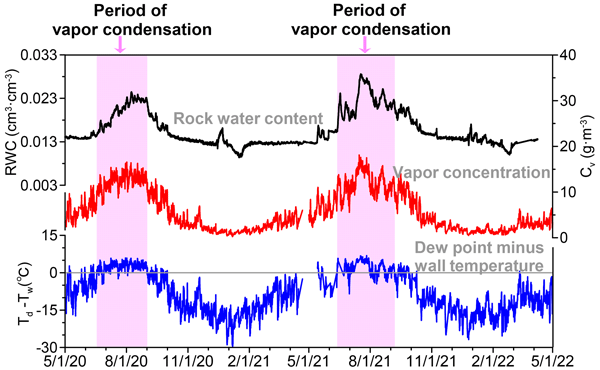
Our knowledge on sources and dynamics of rock moisture is limited. By using frequency domain reflectometry (FDR), we monitored rock moisture in a cave. The results of an explainable deep learning model reveal that the direct source of rock moisture responsible for weathering in the studied cave is vapour, not infiltrating precipitation. A physics-informed deep learning model, which uses variables controlling vapor condensation as model inputs, leads to accurate rock water content predictions.
Cited articles
Abellán, A., Jaboyedoff, M., Oppikofer, T., and Vilaplana, J. M.: Detection of millimetric deformation using a terrestrial laser scanner: experiment and application to a rockfall event, Nat. Hazards Earth Syst. Sci., 9, 365–372, https://doi.org/10.5194/nhess-9-365-2009, 2009. a
Achu, A. L., Aju, C. D., Di Napoli, M., Prakash, P., Gopinath, G., Shaji, E., and Chandra, V.: Machine-learning based landslide susceptibility modelling with emphasis on uncertainty analysis, Geosci. Front., 14, 101657, https://doi.org/10.1016/j.gsf.2023.101657, 2023. a
Akosah, S., Gratchev, I., Kim, D. H., and Ohn, S. Y.: Application of artificial intelligence and remote sensing for landslide detection and prediction: Systematic review, Remote Sens., 16, 2947, https://doi.org/10.3390/rs16162947, 2024. a
Al-Najjar, H. A. H. and Pradhan, B.: Spatial landslide susceptibility assessment using machine learning techniques assisted by additional data created with generative adversarial networks, Geosci. Front., 12, 625–637, https://doi.org/10.1016/j.gsf.2020.09.002, 2021. a
Al-Najjar, H. A. H., Pradhan, B., Sarkar, R., Beydoun, G., and Alamri, A.: A new integrated approach for landslide data balancing and spatial prediction based on generative adversarial networks (GAN), Remote Sens., 13, 4011, https://doi.org/10.3390/rs13194011, 2021.
Alam, M., Vidyaratne, L., and Iftekharuddin, K. M.: Novel deep generative simultaneous recurrent model for efficient representation learning, Neural Netw., 107, 12–22, https://doi.org/10.1016/j.neunet.2018.04.020, 2018. a
Almalki, R., Khaki, M., Saco, P. M., and Rodriguez, J. F.: Monitoring and mapping vegetation cover changes in arid and semi-arid areas using remote sensing technology: a review, Remote Sens., 14, 5143, https://doi.org/10.3390/rs14205143, 2022. a
Alzubaidi, L., Bai, J., Al-Sabaawi, A., Santamaría, J., Albahri, A. S., Al-Dabbagh, B. S. N., Fadhel, M. A., Manoufali, M., Zhang, J., Al-Timemy, A. H., and Duan, Y.: A survey on deep learning tools dealing with data scarcity: definitions, challenges, solutions, tips, and applications, J. Big Data, 10, 46, https://doi.org/10.1186/s40537-023-00727-2, 2023. a
Amankwah, S. O. Y., Wang, G., Gnyawali, K., Hagan, D. F. T., Sarfo, I., Zhen, D., Nooni, I. K., Ullah, W., and Duan, Z.: Landslide detection from bitemporal satellite imagery using attention-based deep neural networks, Landslides, 19, 2459–2471, https://doi.org/10.1007/s10346-022-01915-6, 2022. a
Arevalo, J., Solorio, T., Montes-y-Gómez, M., and González, F. A.: Gated multimodal units for information fusion, arXiv Prepr., arXiv:1702.01992, https://doi.org/10.48550/arXiv.1702.01992, 2017. a
Arjovsky, M., Chintala, S., and Bottou, L.: Wasserstein GAN, arXiv Prepr. arXiv:1701.07875, https://doi.org/10.48550/arXiv.1701.07875, 2017. a
Arnone, E., Noto, L. V., Lepore, C., and Bras, R. L.: Physically-based and distributed approach to analyze rainfall-triggered landslides at watershed scale, Geomorphology, 133, 121–131, https://doi.org/10.1016/j.geomorph.2011.03.019, 2011. a
Askarinejad, A., Akca, D., and Springman, S. M.: Precursors of instability in a natural slope due to rainfall: A full-scale experiment, Landslides, 15, 1745–1759, https://doi.org/10.1007/s10346-018-0994-0, 2018. a
Aslam, B., Zafar, A., and Khalil, U.: Development of integrated deep learning and machine learning algorithm for the assessment of landslide hazard potential, Soft Comput., 25, 13493–13512, https://doi.org/10.1007/s00500-021-06105-5, 2021. a
Azarafza, M., Azarafza, M., Akgün, H., Atkinson, P. M., and Derakhshani, R.: Deep learning-based landslide susceptibility mapping, Sci. Rep., 11, 24112, https://doi.org/10.1038/s41598-021-03585-1, 2021. a, b
Badakhshan, E., Vaunat, J., and Scarfone, R.: A hysteretic water retention model incorporating the soil deformability and its application to rainfall-induced landslides, Comput. Geotech., 178, 106912, https://doi.org/10.1016/j.compgeo.2024.106912, 2025. a
Bai, D., Lu, G., Zhu, Z., Tang, J., Fang, J., and Wen, A.: Using time series analysis and dual-stage attention-based recurrent neural network to predict landslide displacement, Environ. Earth Sci., 81, 509, https://doi.org/10.1007/s12665-022-10637-w, 2022. a
Bhatt, N., Bhatt, N., Prajapati, P., Sorathiya, V., Alshathri, S., and El-Shafai, W.: A data-centric approach to improve performance of deep learning models, Sci. Rep., 14, 22329, https://doi.org/10.1038/s41598-024-73643-x, 2024.
Bhatta, S., Roy, A., and Shahandashti, M.: Land cover classification using U-Net for calibration of rainfall-induced slope susceptibility maps, in: International Conference on Transportation and Development 2025, 439–448, https://doi.org/10.1061/9780784486191.039, 2025. a
Bhuyan, K., Tanyaş, H., Nava, L., Puliero, S., Meena, S. R., Floris, M., Van Westen, C., and Catani, F.: Generating multi-temporal landslide inventories through a general deep transfer learning strategy using HR EO data, Sci. Rep., 13, 162, https://doi.org/10.1038/s41598-022-27352-y, 2023. a
Biniyaz, A., Azmoon, B., Sun, Y., and Liu, Z.: Long short-term memory based subsurface drainage control for rainfall-induced landslide prevention, Geosci., 12, p. 64, https://doi.org/10.3390/geosciences12020064, 2022. a
Cai, H., Chen, T., Niu, R., and Plaza, A.: Landslide detection using densely connected convolutional networks and environmental conditions, IEEE J. Sel. Top. Appl. Earth Obs. Remote Sens., 14, 5235–5247, https://doi.org/10.1109/JSTARS.2021.3079196, 2021. a, b
Cai, W., Lan, F., Huang, X., Hao, J., Xia, W., Tang, R., Feng, P., and Li, H.: Generative probabilistic prediction of precipitation-induced landslide deformation with variational autoencoder and gated recurrent unit, Front. Earth Sci., 12, 1394129, https://doi.org/10.3389/feart.2024.1394129, 2024. a
Casagli, N., Intrieri, E., Tofani, V., Gigli, G., and Raspini, F.: Landslide detection, monitoring and prediction with remote-sensing techniques, Nat. Rev. Earth Environ., 4, 51–64, https://doi.org/10.1038/s43017-022-00373-x, 2023. a
Cascini, L., Scoppettuolo, M. R., and Babilio, E.: Forecasting the landslide evolution: from theory to practice, Landslides, 19, 2839–2851, https://doi.org/10.1007/s10346-022-01934-3, 2022. a
Chandra, N., Sawant, S., and Vaidya, H.: An efficient U-Net model for improved landslide detection from satellite images, PFG J. Photogramm. Remote Sens. Geoinf. Sci., 91, 13–28, https://doi.org/10.1007/s41064-023-00232-4, 2023. a
Chang, F., Dong, S., Yin, H., Ye, X., Wu, Z., Zhang, W., and Zhu, H.: 3D displacement time series prediction of a north-facing reservoir landslide powered by InSAR and machine learning, J. Rock Mech. Geotech. Eng., https://doi.org/10.1016/j.jrmge.2024.10.033, 2025. a
Chen, C. and Fan, L.: CNN-LSTM-attention deep learning model for mapping landslide susceptibility in Kerala, India, ISPRS Ann. Photogramm. Remote Sens. Spatial Inf. Sci., 10, 25–30, https://doi.org/10.5194/isprs-annals-X-3-W1-2022-25-2022, 2022.
Chen, H., Zeng, Z., and Tang, H.: Landslide deformation prediction based on recurrent neural network, Neural Process. Lett., 41, 169–178, https://doi.org/10.1007/s11063-013-9318-5, 2015. a
Chen, L. C., Papandreou, G., Kokkinos, I., Murphy, K., and Yuille, A. L.: Deeplab: Semantic image segmentation with deep convolutional nets, atrous convolution, and fully connected CRFs, IEEE Trans. Pattern Anal. Mach. Intell., 40, 834–848, https://doi.org/10.1109/TPAMI.2017.2699184, 2017. a
Chen, X., Yao, X., Zhou, Z., Liu, Y., Yao, C., and Ren, K.: DRs-UNet: a deep semantic segmentation network for the recognition of active landslides from InSAR imagery in the three rivers region of the Qinghai–Tibet Plateau, Remote Sens., 14, 1848, https://doi.org/10.3390/rs14081848, 2022. a
Chen, H., He, Y., Zhang, L., Yang, W., Liu, Y., Gao, B., Zhang, Q., and Lu, J.: A multi-input channel U-Net landslide detection method fusing SAR multisource remote sensing data, IEEE J. Sel. Top. Appl. Earth Obs. Remote Sens., 17, 1215–1232, https://doi.org/10.1109/JSTARS.2023.3339294, 2023a. a
Chen, L., Ge, X., Yang, L., Li, W., and Peng, L.: An improved multi-source data-driven landslide prediction method based on spatio-temporal knowledge graph, Remote Sens., 15, 2126, https://doi.org/10.3390/rs15082126, 2023b. a
Chen, J., Zeng, X., Zhu, J., Guo, Y., Hong, L., Deng, M., and Chen, K.: The diverse mountainous landslide dataset (DMLD): a high-resolution remote sensing landslide dataset in diverse mountainous regions, Remote Sens., 16, 1886, https://doi.org/10.3390/rs16111886, 2024a. a
Chen, J.-X., Liu, H.-D., Guo, Z.-F., Liu, J.-J., Feng, L.-Y., and Liu, S.: Research on failure mechanism of landslide with retaining-wall-like locked segment and instability prediction by inverse velocity method, Sci. Rep., 14, 21359, https://doi.org/10.1038/s41598-024-72154-z, 2024b. a
Chen, M., Qian, Z., Boers, N., Creutzig, F., Camps-Valls, G., Hubacek, K., Claramunt, C., Wilson, J. P., Nativi, S., Jakeman, A. J., and Müller, R. D.: Collaboration between artificial intelligence and Earth science communities for mutual benefit, Nat. Geosci., 17, 949–952, https://doi.org/10.1038/s41561-024-01550-x, 2024c. a
Cheng, G. and Han, J.: A survey on object detection in optical remote sensing images, ISPRS J. Photogramm. Remote Sens., 117, 11–28, https://doi.org/10.1016/j.isprsjprs.2016.03.014, 2016. a
Cho, K., Van Merriënboer, B., Gulcehre, C., Bahdanau, D., Bougares, F., Schwenk, H., and Bengio, Y.: Learning phrase representations using RNN encoder-decoder for statistical machine translation, arXiv Prep. arXiv:1406.1078, https://doi.org/10.48550/arXiv.1406.1078, 2014. a
Choi, J., Kim, S., Jeong, Y., Gwon, Y., and Yoon, S.: ILVR: Conditioning method for denoising diffusion probabilistic models, arXiv Prep. arXiv:2108.02938, https://doi.org/10.48550/arXiv.2108.02938, 2021.
Chowdhuri, I., Pal, S. C., Saha, A., Chakrabortty, R., and Roy, P.: Mapping of earthquake hotspot and coldspot zones for identifying potential landslide hotspot areas in the Himalayan region, Bull. Eng. Geol. Environ., 81, 257, https://doi.org/10.1007/s10064-022-02761-5, 2022. a
Chung, J., Gulcehre, C., Cho, K., and Bengio, Y.: Empirical evaluation of gated recurrent neural networks on sequence modeling, arXiv Prep. arXiv:1412.3555, https://doi.org/10.48550/arXiv.1412.3555, 2014. a
Coluzzi, R., Perrone, A., Samela, C., Imbrenda, V., Manfreda, S., Pace, L., and Lanfredi, M.: Rapid landslide detection from free optical satellite imagery using a robust change detection technique, Sci. Rep., 15, 4697, https://doi.org/10.1038/s41598-025-89542-8, 2025. a
Croitoru, F.-A., Hondru, V., Ionescu, R. T., and Shah, M.: Diffusion models in vision: A survey, IEEE Trans. Pattern Anal. Mach. Intell., 45, 10850–10869, https://doi.org/10.1109/TPAMI.2023.3261988, 2023. a
Cui, H., Tong, B., Wang, T., Dou, J., and Ji, J.: A hybrid data-driven approach for rainfall-induced landslide susceptibility mapping: physically-based probabilistic model with convolutional neural network, J. Rock Mech. Geotech. Eng., https://doi.org/10.1016/j.jrmge.2024.08.005, 2024. a
D'Amario, V., Srivastava, S., Sasaki, T., and Boix, X.: The data efficiency of deep learning is degraded by unnecessary input dimensions, Front. Comput. Neurosci., 16, 760085, https://doi.org/10.3389/fncom.2022.760085, 2022. a
Dahal, A. and Lombardo, L.: Towards physics-informed neural networks for landslide prediction, Eng. Geol., 344, 107852, https://doi.org/10.1016/j.enggeo.2024.107852, 2025. a
Dahal, A., Tanyas, H., and Lombardo, L.: Full seismic waveform analysis combined with transformer neural networks improves coseismic landslide prediction, Commun. Earth Environ., 5, 75, https://doi.org/10.1038/s43247-024-01243-8, 2024. a
Dai, K., Feng, Y., Zhuo, G., Tie, Y., Deng, J., Balz, T., and Li, Z.: Applicability analysis of potential landslide identification by InSAR in Alpine-Canyon terrain – Case study on Yalong River, IEEE J. Sel. Top. Appl. Earth Obs. Remote Sens., 15, 2110–2118, https://doi.org/10.1109/JSTARS.2022.3228948, 2022. a
Dai, K., Li, Z., Xu, Q., Tomas, R., Li, T., Jiang, L., Zhang, J., Yin, T., and Wang, H.: Identification and evaluation of the high mountain upper slope potential landslide based on multi-source remote sensing: the Aniangzhai landslide case study, Landslides, 20, 1405–1417, https://doi.org/10.1007/s10346-023-02044-4, 2023. a
Das, P., Posch, A., Barber, N., Hicks, M., Duffy, K., Vandal, T., Singh, D., van Werkhoven, K., and Ganguly, A. R.: Hybrid physics-AI outperforms numerical weather prediction for extreme precipitation nowcasting, npj Clim. Atmos. Sci., 7, 2024, https://doi.org/10.1038/s41612-024-00834-8. a
Deijns, A. A. J., Bevington, A. R., van Zadelhoff, F., de Jong, S. M., Geertsema, M., and McDougall, S.: Semi-automated detection of landslide timing using harmonic modelling of satellite imagery, Buckinghorse River, Canada, Int. J. Appl. Earth Obs. Geoinf., 84, 101943, https://doi.org/10.1016/j.jag.2019.101943, 2020. a
Ding, X., Zhang, X., Han, J., and Ding, G.: Scaling up your kernels to 31x31: Revisiting large kernel design in CNNs, in: Proc. IEEE/CVF Conf. Comput. Vis. Pattern Recognit., 11963–11975 pp., https://doi.org/10.48550/arXiv.2203.06717, 2022. a
Dong, Z., An, S., Zhang, J., Yu, J., Li, J., and Xu, D.: L-unet: A landslide extraction model using multi-scale feature fusion and attention mechanism, Remote Sens., 14, 2552, https://doi.org/10.3390/rs14112552, 2022. a
Dou, J., Yunus, A. P., Bui, D. T., Sahana, M., Chen, C.-W., Zhu, Z., Wang, W., and Pham, B. T.: Evaluating GIS-based multiple statistical models and data mining for earthquake and rainfall-induced landslide susceptibility using the LiDAR DEM, Remote Sens., 11, 638, https://doi.org/10.3390/rs11060638, 2019. a
Dubovik, O., Schuster, G. L., Xu, F., Hu, Y., Bösch, H., Landgraf, J., and Li, Z.: Grand challenges in satellite remote sensing, Front. Remote Sens., 2, 619818, https://doi.org/10.3389/frsen.2021.619818, 2021. a
Dun, J., Feng, W., Yi, X., Zhang, G., and Wu, M.: Detection and mapping of active landslides before impoundment in the Baihetan Reservoir Area (China) based on the time-series InSAR method, Remote Sens., 13, 3213, https://doi.org/10.3390/rs13163213, 2021. a
Ebrahimi, M. S. and Abadi, H. K.: Study of residual networks for image recognition, in: Intell. Comput., Proc. 2021 Comput. Conf., Vol. 2, 754–763 pp., Springer Int. Publ., https://doi.org/10.1007/978-3-030-80126-7_53, 2021. a
Ehsan, M., Anees, M. T., Bakar, A. F. B. A., and Ahmed, A.: A review of geological and triggering factors influencing landslide susceptibility: Artificial intelligence-based trends in mapping and prediction, Int. J. Environ. Sci. Technol., 1–36, https://doi.org/10.1007/s13762-025-06741-6, 2025. a
Elman, J. L.: Finding Structure in Time, Cogn. Sci., 14, 179–211, https://doi.org/10.1207/s15516709cog1402_1, 1990. a
Esser, P., Rombach, R., and Ommer, B.: Taming transformers for high-resolution image synthesis, in: Proc. IEEE/CVF Conf. Comput. Vis. Pattern Recognit., 12873–12883 pp., 2021. a
Fahlstrom, P. G., Gleason, T. J., and Sadraey, M. H.: Introduction to UAV Systems, John Wiley & Sons, https://www.wiley.com/en-us/9781119802617 (last access: 18 January 2026), 2022.
Fan, X., Scaringi, G., Korup, O., West, A. J., van Westen, C. J., Tanyas, H., Hovius, N., Hales, T. C., Jibson, R. W., Allstadt, K. E., and Zhang, L.: Earthquake-induced chains of geologic hazards: Patterns, mechanisms, and impacts, Rev. Geophys., 57, 421–503, https://doi.org/10.1029/2018RG000626, 2019. a
Fan, B., Li, Y., Zhang, R., and Fu, Q.: Review on the technological development and application of UAV systems, Chin. J. Electron., 29, 199–207, https://doi.org/10.1049/cje.2019.12.006, 2020. a
Fang, B., Chen, G., Pan, L., Kou, R., and Wang, L.: GAN-based Siamese framework for landslide inventory mapping using bi-temporal optical remote sensing images, IEEE Geosci. Remote Sens. Lett., 18, 391–395, https://doi.org/10.1109/LGRS.2020.2979693, 2020. a
Fang, Z., Wang, Y., Peng, L., and Hong, H.: A comparative study of heterogeneous ensemble-learning techniques for landslide susceptibility mapping, Int. J. Geogr. Inf. Sci., 35, 321–347, https://doi.org/10.1080/13658816.2020.1808897, 2021. a
Fang, C., Fan, X., Zhong, H., Lombardo, L., Tanyas, H., and Wang, X.: A novel historical landslide detection approach based on LiDAR and lightweight attention U-Net, Remote Sens., 14, 4357, https://doi.org/10.3390/rs14174357, 2022. a
Fang, C., Fan, X., Wang, X., Nava, L., Zhong, H., Dong, X., Qi, J., and Catani, F.: A globally distributed dataset of coseismic landslide mapping via multi-source high-resolution remote sensing images, Earth Syst. Sci. Data, 16, 4817–4842, https://doi.org/10.5194/essd-16-4817-2024, 2024. a
Farmakis, I., DiFrancesco, P. M., Hutchinson, D. J., and Vlachopoulos, N.: Rockfall detection using LiDAR and deep learning, Eng. Geol., 309, 106836, https://doi.org/10.1016/j.enggeo.2022.106836, 2022. a
Feng, H., Miao, Z., and Hu, Q.: Study on the uncertainty of machine learning model for earthquake-induced landslide susceptibility assessment, Remote Sens., 14, 2968, https://doi.org/10.3390/rs14132968, 2022. a
Feng, X., Du, J., Wu, M., Chai, B., Miao, F., and Wang, Y.: Potential of synthetic images in landslide segmentation in data-poor scenario: a framework combining GAN and transformer models, Landslides, 21, 2211–2226, https://doi.org/10.1007/s10346-024-02274-0, 2024. a
Fidan, S., Tanyas, H., Akbas, A., Lombardo, L., Petley, D. N., and Gorum, T.: Understanding fatal landslides at global scales: A summary of topographic, climatic, and anthropogenic perspectives, Nat. Hazards, 120, 6437–6455, https://doi.org/10.1007/s11069-024-06487-3, 2024. a
Fiorucci, F., Giordan, D., Santangelo, M., Dutto, F., Rossi, M., and Guzzetti, F.: Criteria for the optimal selection of remote sensing optical images to map event landslides, Nat. Hazards Earth Syst. Sci., 18, 405–417, https://doi.org/10.5194/nhess-18-405-2018, 2018. a
Franceschetti, G. and Lanari, R.: Synthetic Aperture Radar Processing, CRC Press, https://doi.org/10.1201/9780203737484, 2018. a
Fu, S., de Jong, S. M., Hou, X., de Vries, J., Deijns, A., and de Haas, T.: A landslide dating framework using a combination of Sentinel-1 SAR and-2 optical imagery, Eng. Geol., 329, 107388, https://doi.org/10.1016/j.enggeo.2023.107388, 2024. a
Gaidzik, K. and Ramírez-Herrera, M. T.: The importance of input data on landslide susceptibility mapping, Sci. Rep., 11, 19334, https://doi.org/10.1038/s41598-021-98830-y, 2021. a
Gao, H., Gao, Y., Li, B., Yin, Y., Yang, C., Wan, J., and Zhang, T.: The dynamic simulation and potential hazards analysis of the Yigong landslide in Tibet, China, Remote Sens., 15, 1322, https://doi.org/10.3390/rs15051322, 2023. a
Gao, B., He, Y., Chen, X., Chen, H., Yang, W., and Zhang, L.: A deep neural network framework for landslide susceptibility mapping by considering time-series rainfall, IEEE J. Sel. Top. Appl. Earth Obs. Remote Sens., https://doi.org/10.1109/JSTARS.2024.3370218, 2024. a
Ge, X., Yang, Y., Chen, J., Li, W., Huang, Z., Zhang, W., and Peng, L.: Disaster prediction knowledge graph based on multi-source spatio-temporal information, Remote Sens., 14, 1214, https://doi.org/10.3390/rs14051214, 2022. a
Ge, Q., Li, J., Wang, X., Deng, Y., Zhang, K., and Sun, H.: LiteTransNet: An interpretable approach for landslide displacement prediction using transformer model with attention mechanism, Eng. Geol., 331, 107446, https://doi.org/10.1016/j.enggeo.2024.107446, 2024. a
Geiger, A., Liu, D., Alnegheimish, S., Cuesta-Infante, A., and Veeramachaneni, K.: TadGAN: Time series anomaly detection using generative adversarial networks, in: 2020 IEEE Int. Conf. Big Data (Big Data), 33–43, IEEE, https://doi.org/10.1109/BigData50022.2020.9378139, 2020. a
Ghorbanzadeh, O., Shahabi, H., Crivellari, A., Homayouni, S., Blaschke, T., and Ghamisi, P.: Landslide detection using deep learning and object-based image analysis, Landslides, 19, 929–939, https://doi.org/10.1007/s10346-021-01843-x, 2022a. a
Ghorbanzadeh, O., Xu, Y., Zhao, H., Wang, J., Zhong, Y., Zhao, D., Zang, Q., Wang, S., Zhang, F., Shi, Y., and Zhu, X. X.: The outcome of the 2022 landslide4sense competition: advanced landslide detection from multisource satellite imagery, IEEE J. Sel. Top. Appl. Earth Obs. Remote Sens., 15, 9927–9942, https://doi.org/10.1109/JSTARS.2022.3220845, 2022b. a
Gidon, J. S., Borah, J., Sahoo, S., Majumdar, S., and Fujita, M.: Bidirectional LSTM model for accurate and real-time landslide detection: A case study in Mawiongrim, Meghalaya, India, IEEE Internet Things J., 11, 3792–3800, https://doi.org/10.1109/JIOT.2023.3326203, 2023. a
Goodfellow, I. J., Pouget-Abadie, J., Mirza, M., Xu, B., Warde-Farley, D., Ozair, S., Courville, A., and Bengio, Y.: Generative adversarial nets, Adv. Neural Inf. Process. Syst., 27, https://proceedings.neurips.cc/paper/2014/hash/f033ed80deb0234979a61f95710dbe25-Abstract.html (last access: 18 January 2026), 2014. a
Graves, A.: Long short-term memory, in: Supervised Sequence Labelling with Recurrent Neural Networks, 37–45, https://doi.org/10.1007/978-3-642-24797-2_4, 2012. a
Gui, J., Sun, Z., Wen, Y., Tao, D., and Ye, J.: A review on generative adversarial networks: Algorithms, theory, and applications, IEEE Trans. Knowl. Data Eng., 35, 3313–3332, https://doi.org/10.1109/TKDE.2021.3130191, 2021. a
Guo, Y., Liu, Y., Georgiou, T., and Lew, M. S.: A review of semantic segmentation using deep neural networks, Int. J. Multimed. Inf. Retr., 7, 87–93, https://doi.org/10.1007/s13735-017-0141-z, 2018. a
Guo, W., Ye, J., Liu, C., Lv, Y., Zeng, Q., and Huang, X.: An approach for predicting landslide susceptibility and evaluating predisposing factors, Int. J. Appl. Earth Obs. Geoinf., 135, 104217, https://doi.org/10.1016/j.jag.2024.104217, 2024. a
Guo, D., Yang, X., Peng, P., Zhu, L., and He, H.: The intelligent fault identification method based on multi-source information fusion and deep learning, Sci. Rep., 15, 6643, https://doi.org/10.1038/s41598-025-90823-5, 2025. a
Gupta, S. K. and Shukla, D. P.: Handling data imbalance in machine learning based landslide susceptibility mapping: a case study of Mandakini River Basin, North-Western Himalayas, Landslides, 20, 933–949, https://doi.org/10.1007/s10346-022-01998-1, 2023. a
Gupta, A., Paul, S., Bhattacharya, A., and Jain, P.: A framework for realistic paired dataset generation for deep learning based restoration of satellite images, in: Proc. IEEE Int. Geosci. Remote Sens. Symp. (IGARSS), 6997–7002, https://doi.org/10.1109/IGARSS53475.2024.10640440, 2024. a
Guzzetti, F., Gariano, S. L., Peruccacci, S., Brunetti, M. T., Marchesini, I., Rossi, M., and Melillo, M.: Geographical landslide early warning systems, Earth-Sci. Rev., 200, 102973, https://doi.org/10.1016/j.earscirev.2019.102973, 2020. a
Hamaguchi, R., Fujita, A., Nemoto, K., Imaizumi, T., and Hikosaka, S.: Effective use of dilated convolutions for segmenting small object instances in remote sensing imagery, in: 2018 IEEE Winter Conf. Appl. Comput. Vis. (WACV), 1442–1450 pp., https://doi.org/10.1109/WACV.2018.00162, 2018. a
Han, J., Yang, H., Liu, Y., Lu, Z., Zeng, K., and Jiao, R.: A deep learning application for deformation prediction from ground-based InSAR, Remote Sens., 14, p. 5067, https://doi.org/10.3390/rs14205067, 2022. a, b
Han, L., Duan, P., Liu, J., and Li, J.: Research on landslide trace recognition by fusing UAV-based lidar dem multi-feature information, Remote Sens., 15, 4755, https://doi.org/10.3390/rs15194755, 2023. a
Han, N., Miao, W., Li, M., Mohamad Ismail, M. A., Hu, Q., Duan, L., and Tang, J.: Integrating multi-source monitoring data and deep convolutional autoencoder technology for slope failure pattern recognition, Front. Earth Sci., 13, 1531857, https://doi.org/10.3389/feart.2025.1531857, 2025. a
Hao, Y., Liu, C., Zhang, W., Liu, X., and Liu, G.: Landslide risk evaluation: rainfall and blast-induced potential soil landslides in an expressway area underneath a railway tunnel, Guangzhou, China, Bull. Eng. Geol. Environ., 82, 420, https://doi.org/10.1007/s10064-023-03449-0, 2023. a
Hasanah, S. A., Pravitasari, A. A., Abdullah, A. S., Yulita, I. N., and Asnawi, M. H.: A deep learning review of ResNet architecture for lung disease identification in CXR image, Appl. Sci., 13, 13111, https://doi.org/10.3390/app132413111, 2023. a
He, K., Zhang, X., Ren, S., and Sun, J.: Deep residual learning for image recognition, in: Proc. IEEE Conf. Comput. Vis. Pattern Recognit., 770–778 pp., https://doi.org/10.1109/CVPR.2016.90, 2016. a
Hinton, G. E. and Salakhutdinov, R. R.: Reducing the dimensionality of data with neural networks, Science, 313, 504–507, https://doi.org/10.1126/science.1127647, 2006. a
Ho, J., Jain, A., and Abbeel, P.: Denoising diffusion probabilistic models, Adv. Neural Inf. Process. Syst., 33, 6840–6851, 2020. a
Ho, J., Saharia, C., Chan, W., Fleet, D. J., Norouzi, M., and Salimans, T.: Cascaded diffusion models for high fidelity image generation, J. Mach. Learn. Res., 23, 1–33, 2022.
Hochreiter, S. and Schmidhuber, J.: Long Short-Term Memory, Neural Comput., 9, 1735–1780, https://doi.org/10.1162/neco.1997.9.8.1735, 1997.
Hu, F., Gao, X. M., Li, G. Y., and Li, M.: DEM extraction from worldview-3 stereo-images and accuracy evaluation, Int. Arch. Photogramm. Remote Sens. Spatial Inf. Sci., 41, 327–332, https://doi.org/10.5194/isprs-archives-XLI-B1-327-2016, 2016. a
Hu, W., Sun, G., Zeng, X., Tong, B., Wang, Z., Wu, X., and Song, P.: Hierarchical cross attention achieves pixel precise landslide segmentation in submeter optical imagery, Sci. Rep., 15, p. 21933, https://doi.org/10.1038/s41598-025-08695-8, 2025a. a
Hu, X., Sun, Z., Wang, Z., Huang, X., Zhou, M., He, S., and Xu, W.: InSAR-based deep learning prediction model for multi-type landslides displacement and failure time in Zigui, Three Gorges Area, China, Landslides, 1–15, https://doi.org/10.1007/s10346-025-02613-9, 2025b. a
Huang, R. and Chen, T.: Landslide recognition from multi-feature remote sensing data based on improved transformers, Remote Sens., 15, 3340, https://doi.org/10.3390/rs15133340, 2023. a
Huang, G., Liu, Z., van der Maaten, L., and Weinberger, K. Q.: Densely connected convolutional networks, in: Proc. IEEE Conf. Comput. Vis. Pattern Recognit., 4700–4708 pp., 2017. a
Huang, R., Jiang, L., Shen, X., Dong, Z., Zhou, Q., Yang, B., and Wang, H.: An efficient method of monitoring slow-moving landslides with long-range terrestrial laser scanning: a case study of the Dashu landslide in the Three Gorges Reservoir Region, China, Landslides, 16, 839–855, https://doi.org/10.1007/s10346-018-1118-6, 2019. a
Huang, F., Ye, Z., Zhou, X., Huang, J., and Zhou, C.: Landslide susceptibility prediction using an incremental learning Bayesian Network model considering the continuously updated landslide inventories, Bull. Eng. Geol. Environ., 81, 250, https://doi.org/10.1007/s10064-022-02748-2, 2022a. a
Huang, H., Xue, R., Zhao, B., Yi, W., Deng, Y., Dong, Z., Liu, Q., Yi, Q., and Zhang, G.: The bedding rock landslide identification in the head area of the Three Gorges Reservoir combined with disaster pregnant mechanism and comprehensive remote sensing method, Acta Geod. Cartogr. Sin., 51, 2056, https://doi.org/10.11947/j.AGCS.2022.20220306, 2022b. a
Huang, L., Luo, R., Liu, X., and Hao, X.: Spectral imaging with deep learning, Light Sci. Appl., 11, 61, https://doi.org/10.1038/s41377-022-00743-6, 2022c. a
Huang, H., Lim, T. C., Wu, J., Ding, W., and Pang, J.: Multitarget prediction and optimization of pure electric vehicle tire/road airborne noise sound quality based on a knowledge-and data-driven method, Mech. Syst. Signal Process., 197, 110361, https://doi.org/10.1016/j.ymssp.2023.110361, 2023a. a
Huang, Y., Zhang, J., He, H., Jia, Y., Chen, R., Ge, Y., Ming, Z., Zhang, L., and Li, H.: MAST: An earthquake-triggered landslides extraction method combining morphological analysis edge recognition with swin-transformer deep learning model, IEEE J. Sel. Top. Appl. Earth Obs. Remote Sens., 17, 2586–2595, https://doi.org/10.1109/JSTARS.2023.3342989, 2023b. a
Huang, J., Song, W., Liu, T., Cui, X., Yan, J., and Wang, X.: Submarine landslide identification based on improved DeepLabv3 with spatial and channel attention, Remote Sens., 16, 4205, https://doi.org/10.3390/rs16224205, 2024. a
Huangfu, W., Qiu, H., Cui, P., Yang, D., Liu, Y., Ullah, M., and Kamp, U.: Automated extraction of mining-induced ground fissures using deep learning and object-based image classification, Earth Surf. Process. Landforms, 49, 2189–2204, https://doi.org/10.1002/esp.5824, 2024. a
Hussain, M., Bird, J. J., and Faria, D. R.: A study on CNN transfer learning for image classification, in: Adv. Comput. Intell. Syst.: Contrib. Presented at 18th UK Workshop Comput. Intell., 191–202 pp., https://doi.org/10.1007/978-3-319-97982-3_16, 2019. a
Islam, Z., Abdel-Aty, M., Cai, Q., and Yuan, J.: Crash data augmentation using variational autoencoder, Accid. Anal. Prev., 151, 105950, https://doi.org/10.1016/j.aap.2020.105950, 2021. a
Isola, P., Zhu, J. Y., Zhou, T., and Efros, A. A.: Image-to-Image Translation with Conditional Adversarial Networks, in: Proc. IEEE Conf. Comput. Vis. Pattern Recognit., 1125–1134 pp., https://doi.org/10.1109/CVPR.2017.632, 2017. a
Indian Space Research Organisation: NISAR – NASA–ISRO Synthetic Aperture Radar Mission, https://www.isro.gov.in/Mission_GSLVF16_NISAR_Home.html (last access: 26 October 2025), 2025. a
Jaboyedoff, M., Oppikofer, T., Abellán, A., Derron, M.-H., Loye, A., Metzger, R., and Pedrazzini, A.: Use of LIDAR in landslide investigations: a review, Nat. Hazards, 61, 5–28, https://doi.org/10.1007/s11069-010-9634-2, 2012. a
Janiesch, C., Zschech, P., and Heinrich, K.: Machine learning and deep learning, Electron. Mark., 31, 685–695, https://doi.org/10.1007/s12525-021-00475-2, 2021. a
Ji, S., Yu, D., Shen, C., Li, W., and Xu, Q.: Landslide detection from an open satellite imagery and digital elevation model dataset using attention boosted convolutional neural networks, Landslides, 17, 1337–1352, https://doi.org/10.1007/s10346-020-01353-2, 2020. a
Jiang, T., Li, Y., Xie, W., and Du, Q.: Discriminative reconstruction constrained generative adversarial network for hyperspectral anomaly detection, IEEE Trans. Geosci. Remote Sens., 58, 4666–4679, https://doi.org/10.1109/TGRS.2020.2965961, 2020. a
Jiang, W., Xi, J., Li, Z., Zang, M., Chen, B., Zhang, C., and Zhu, W.: Deep learning for landslide detection and segmentation in high-resolution optical images along the Sichuan-Tibet transportation corridor, Remote Sens., 14, 5490, https://doi.org/10.3390/rs14215490, 2022a. a
Jiang, Y., Luo, H., Xu, Q., Lu, Z., Liao, L., Li, H., and Hao, L.: A graph convolutional incorporating GRU network for landslide displacement forecasting based on spatiotemporal analysis of GNSS observations, Remote Sens., 14, 1016, https://doi.org/10.3390/rs14041016, 2022b. a
Jiang, X.-D., Hou, T.-S., Guo, S.-L., and Chen, Y.: Influence of cracks on loess collapse under heavy rainfall, Catena, 223, 106959, https://doi.org/10.1016/j.catena.2023.106959, 2023. a
Jiang, Y., Wang, W., Zou, L., Cao, Y., and Xie, W.-C.: Investigating landslide data balancing for susceptibility mapping using generative and machine learning models, Landslides, 1–16, https://doi.org/10.1007/s10346-024-02352-3, 2024. a
Jibson, R. W.: Regression models for estimating coseismic landslide displacement, Eng. Geol., 91, 209–218, https://doi.org/10.1016/j.enggeo.2007.01.013, 2007. a
Jin, Y., Li, X., Zhu, S., Tong, B., Chen, F., Cui, R., and Huang, J.: Accurate landslide identification by multisource data fusion analysis with improved feature extraction backbone network, Geomatics, Nat. Hazards Risk, 13, 2313–2332, https://doi.org/10.1080/19475705.2022.2116357, 2022. a
Jing, R., Duan, F., Lu, F., Zhang, M., and Zhao, W.: Denoising diffusion probabilistic feature-based network for cloud removal in Sentinel-2 imagery, Remote Sens., 15, 2217, https://doi.org/10.3390/rs15092217, 2023.
Jones, N., Manconi, A., and Strom, A.: Active landslides in the Rogun Catchment, Tajikistan, and their river damming hazard potential, Landslides, 18, 3599–3613, https://doi.org/10.1007/s10346-021-01706-5, 2021. a
Kačan, M., Turčinović, F., Bojanjac, D., and Bosiljevac, M.: Deep learning approach for object classification on raw and reconstructed GBSAR data, Remote Sens., 14, 5673, https://doi.org/10.3390/rs14225673, 2022.
Kang, X., Li, Y., Zhang, Y., Ma, N., and Wen, L.: Anomaly detection in concrete dam using memory-augmented autoencoder and generative adversarial network (MemAE-GAN), Autom. Constr., 168, 105794, https://doi.org/10.1016/j.autcon.2024.105794, 2024. a
Kargel, J. S., Leonard, G. J., Shugar, D. H., Haritashya, U. K., Bevington, A., Fielding, E. J., Fujita, K., Geertsema, M., Miles, E. S., Steiner, J., and Anderson, E.: Geomorphic and geologic controls of geohazards induced by Nepal's 2015 Gorkha earthquake, Science, 351, aac8353, https://doi.org/10.1126/science.aac8353, 2016. a
Karniadakis, G. E., Kevrekidis, I. G., Lu, L., Perdikaris, P., Wang, S., and Yang, L.: Physics-informed machine learning, Nat. Rev. Phys., 3, 422–440, https://doi.org/10.1038/s42254-021-00314-5, 2021. a
Karras, T., Aittala, M., Hellsten, J., Laine, S., Lehtinen, J., and Aila, T.: Training generative adversarial networks with limited data, Adv. Neural Inf. Process. Syst., 33, 12104–12114, 2020. a
Kattenborn, T., Leitloff, J., Schiefer, F., and Hinz, S.: Review on Convolutional Neural Networks (CNN) in vegetation remote sensing, ISPRS J. Photogramm. Remote Sens., 173, 24–49, https://doi.org/10.1016/j.isprsjprs.2020.12.010, 2021. a
Kavzoglu, T., Teke, A., and Yilmaz, E. O.: Shared blocks-based ensemble deep learning for shallow landslide susceptibility mapping, Remote Sens., 13, 4776, https://doi.org/10.3390/rs13234776, 2021. a
Kilgore, A. and Restrepo, C.: Integrating hyperspectral imaging, plant functional diversity, and soil-lithology to uncover mountainscape disturbance dynamics induced by landsliding, Remote Sens., 17, 1806, https://doi.org/10.3390/rs17111806, 2025. a
Kim, H.-J. and Lee, D.: Image denoising with conditional generative adversarial networks (CGAN) in low dose chest images, Nucl. Instrum. Methods Phys. Res. A, 954, 161914, https://doi.org/10.1016/j.nima.2019.02.041, 2020. a
Kingma, D. P. and Welling, M.: Auto-encoding variational bayes, arXiv Prep. arXiv:1312.6114, https://doi.org/10.48550/arXiv.1312.6114, 2013. a, b
Kingma, D. P., Mohamed, S., Rezende, D. J., and Welling, M.: Semi-supervised learning with deep generative models, Adv. Neural Inf. Process. Syst., 27, https://doi.org/10.48550/arXiv.1406.5298, 2014. a
Kipf, T. N. and Welling, M.: Semi-Supervised Classification with Graph Convolutional Networks, arXiv preprint arXiv:1609.02907, https://doi.org/10.48550/arXiv.1609.02907, 2016. a
Kong, L., Feng, W., Yi, X., Xue, Z., and Bai, L.: Enhanced landslide susceptibility mapping in data-scarce regions via unsupervised few-shot learning, Gondwana Res., 138, 31–46, https://doi.org/10.1016/j.gr.2024.10.011, 2025. a
Koukiou, G.: SAR Features and Techniques for Urban Planning – A Review, Remote Sens., 16, 1923, https://doi.org/10.3390/rs16111923, 2024. a
Kuang, P., Li, R., Huang, Y., Wu, J., Luo, X., and Zhou, F.: Landslide displacement prediction via attentive graph neural network, Remote Sens., 14, 1919, https://doi.org/10.3390/rs14081919, 2022. a, b
Kumar, A. and Vepa, J.: Gated mechanism for attention based multi modal sentiment analysis, in: Proc. IEEE Int. Conf. Acoust. Speech Signal Process. (ICASSP), 4477–4481 pp., https://doi.org/10.1109/ICASSP40776.2020.9053012, 2020. a
Kumar, P., Priyanka, P., Uday, K. V., and Dutt, V.: Predictive modelling of Himalayan soil movement: addressing imbalance with synthetic variational autoencoder data in Kamand Valley, in: International Congress on Information and Communication Technology, 137–147 pp., Springer Nature Singapore, https://doi.org/10.1007/978-981-97-3299-9_11, 2024. a
Lakhote, A., Chan, Y. C., Lu, C. Y., Kumar, G., and Sun, C. W.: Monitoring slow-moving deep-seated landslide using PSI technique: A case study of a potential sliding slope from southern Taiwan, Landslides, 22, 1677–1692, https://doi.org/10.1007/s10346-024-02453-z, 2025. a
Landi, F., Baraldi, L., Cornia, M., and Cucchiara, R.: Working memory connections for LSTM, Neural Netw., 144, 334–341, https://doi.org/10.1016/j.neunet.2021.08.030, 2021. a
LeCun, Y., Bottou, L., Bengio, Y., and Haffner, P.: Gradient-Based Learning Applied to Document Recognition, Proc. IEEE, 86, 2278–2324, https://doi.org/10.1109/5.726791, 1998. a
Lee, J.-H., Sameen, M. I., Pradhan, B., and Park, H.-J.: Modeling landslide susceptibility in data-scarce environments using optimized data mining and statistical methods, Geomorphology, 303, 284–298, https://doi.org/10.1016/j.geomorph.2017.12.007, 2018. a
Leher, Q. O., Bezerra, E. S., Paixão, T., Palomino-Quispe, F., and Alvarez, A. B.: Denoising Diffusion Probabilistic Models for Cloud Removal and Land Surface Temperature Retrieval From a Single Sample, IEEE Access, https://doi.org/10.1109/ACCESS.2025.3542014, 2025. a
Lei, X., Liu, H., Chen, Z., Li, S., Chen, H., Zeng, S., Wang, X., Bai, W., Li, W., and Picco, L.: Investigating the landslide susceptibility assessment methods for multi-scale slope units based on SDGSAT-1 and Graph Neural Networks, Int. J. Digit. Earth, 18, 2468913, https://doi.org/10.1080/17538947.2025.2468913, 2025. a
Li, Y.: The research on landslide detection in remote sensing images based on improved DeepLabv3+ method, Sci. Rep., 15, 7957, https://doi.org/10.1038/s41598-025-92822-y, 2025. a
Li, L., Yan, J., Wang, H., and Jin, Y.: Anomaly detection of time series with smoothness-inducing sequential variational auto-encoder, IEEE Trans. Neural Netw. Learn. Syst., 32, 1177–1191, https://doi.org/10.1109/TNNLS.2020.2980749, 2020. a
Li, C., Yi, B., Gao, P., Li, H., Sun, J., Chen, X., Zhong, C.: Valuable clues for DCNN-based landslide detection from a comparative assessment in the Wenchuan earthquake area, Sensors, 21, 5191, https://doi.org/10.3390/s21155191, 2021a. a
Li, H., Xu, Q., He, Y., Fan, X., Yang, H., Li, S.: Temporal detection of sharp landslide deformation with ensemble-based LSTM-RNNs and Hurst exponent, Geomatics, Nat. Hazards Risk, 12, 3089–3113, https://doi.org/10.1080/19475705.2021.1994474, 2021b. a
Li, Y., Cui, P., Ye, C., Junior, J. M., Zhang, Z., Guo, J., and Li, J.: Accurate prediction of earthquake-induced landslides based on deep learning considering landslide source area, Remote Sens., 13, 3436, https://doi.org/10.3390/rs13173436, 2021c. a
Li, Y., Utili, S., Milledge, D., Chen, L., and Yin, K.: Chasing a complete understanding of the failure mechanisms and potential hazards of the slow moving Liangshuijing landslide, Eng. Geol., 281, 105977, https://doi.org/10.1016/j.enggeo.2020.105977, 2021d. a
Li, B., Liu, K., Wang, M., He, Q., Jiang, Z., Zhu, W., and Qiao, N.: Global dynamic rainfall-induced landslide susceptibility mapping using machine learning, Remote Sens., 14, 5795, https://doi.org/10.3390/rs14225795, 2022a. a
Li, H., He, Y., Xu, Q., Deng, J., Li, W., Wei, Y.: Detection and segmentation of loess landslides via satellite images: A two-phase framework, Landslides, 19, 673–686, https://doi.org/10.1007/s10346-021-01789-0, 2022b. a
Li, J., Xing, X., and Ou, J.: Locating and characterizing potential rainfall-induced landslides on a regional scale based on SBAS-InSAR technique, Bull. Eng. Geol. Environ., 82, 329, https://doi.org/10.1007/s10064-023-03356-4, 2023a. a
Li, Z., Dai, K., Deng, J., Liu, C., Shi, X., Tang, G., and Yin, T.: Identifying potential landslides in steep mountainous areas based on improved seasonal interferometry stacking-InSAR, Remote Sens., 15(13), 3278, https://doi.org/10.3390/rs15133278, 2023b. a
Li, Q., Yao, C., Yao, X., Zhou, Z., and Ren, K.: Time series prediction of reservoir bank slope deformation based on informer and InSAR: a case study of Dawanzi landslide in the Baihetan Reservoir area, China, Remote Sens., 16, 2688, https://doi.org/10.3390/rs16152688, 2024a.
Li, W. P., Wu, Y. M., Gao, X., Wang, W. M., Yang, Z. H., and Liu, H. J.: The Distribution Pattern of Ground Movement and Co-Seismic Landslides: A Case Study of the 5 September 2022 Luding Earthquake, China, J. Geophys. Res. Earth Surf., 129, e2023JF007534, https://doi.org/10.1029/2023JF007534, 2024b. a
Li, J., Fan, C., Zhao, K., Zhang, Z., and Duan, P.: Landslide displacement prediction using time series InSAR with combined LSTM and TCN: Application to the Xiao Andong landslide, Yunnan Province, China, Nat. Hazards, 121, 3857–3884, https://doi.org/10.1007/s11069-024-06937-y, 2025a. a
Li, J., Li, Q., Lu, J., Zheng, K., Wei, L., and Xiang, Q.: A transfer learning remote sensing landslide image segmentation method based on nonlinear modeling and large kernel attention, Appl. Sci., 15, 3855, https://doi.org/10.3390/app15073855, 2025b. a
Li, W., Hsu, C.Y., Wang, S., Gu, Z., Yang, Y., Rogers, B. M., and Liljedahl, A.: A multi-scale vision transformer-based multimodal GeoAI model for mapping Arctic permafrost thaw, IEEE J. Sel. Top. Appl. Earth Obs. Remote Sens., https://doi.org/10.1109/JSTARS.2025.3564310, 2025c. a
Li, Y., Chen, T., Lv, L., Niu, R., and Plaza, A.: IED-GCN: An Internal and External Decoupled Graph Convolutional Network for Landslide Susceptibility Assessment, IEEE Trans. Geosci. Remote Sens., https://doi.org/10.1109/TGRS.2025.3595205, 2025d. a
Li, Z., Chen, J., Cao, C., Zhang, W., Zhu, K., Bai, J., and Wu, C.: Enhancing long-term prediction of non-homogeneous landslides incorporating spatiotemporal graph convolutional networks and InSAR, Eng. Geol., 107917, https://doi.org/10.1016/j.enggeo.2025.107917, 2025e. a
Lian, X., Li, Y., Wang, X., Shi, L., and Xue, C.: Research on Identification and Location of Mining Landslide in Mining Area Based on Improved YOLO Algorithm, Drones, 8, 150, https://doi.org/10.3390/drones8040150, 2024. a
Lin, Y. N., Chen, Y. C., Kuo, Y. T., and Chao, W. A.: Performance study of landslide detection using multi-temporal SAR images, Remote Sens., 14, 2444, https://doi.org/10.3390/rs14102444, 2022. a
Lin, T., Wang, R., Shi, Y., Jiang, Z., Yi, S., and Wu, Y.: Research on small sample defect detection method based on AnoGAN and U-net, in: 2023 8th Int. Conf. Intell. Inform. Biomed. Sci. (ICIIBMS), 23–25, https://doi.org/10.1109/ICIIBMS60103.2023.10347883, 2023. a
Lin, K., Jiapaer, G., Yu, T., Zhang, L., Liang, H., Chen, B., and Ju, T.: Identification of Potential Landslides in the Gaizi Valley Section of the Karakorum Highway Coupled with TS-InSAR and Landslide Susceptibility Analysis, Remote Sens., 16, 3653, https://doi.org/10.3390/rs16193653, 2024. a
Liu, Y. and Wu, L.: Geological disaster recognition on optical remote sensing images using deep learning, Procedia Comput. Sci., 91, 566–575, https://doi.org/10.1016/j.procs.2016.07.144, 2016. a
Liu, P., Wei, Y., Wang, Q., Chen, Y., and Xie, J.: Research on post-earthquake landslide extraction algorithm based on improved U-Net model, Remote Sens., 12, 894, https://doi.org/10.3390/rs12050894, 2020a. a
Liu, Y., Xu, C., Huang, B., Ren, X., Liu, C., Hu, B., and Chen, Z.: Landslide displacement prediction based on multi-source data fusion and sensitivity states, Eng. Geol., 271, 105608, https://doi.org/10.1016/j.enggeo.2020.105608, 2020b. a, b
Liu, B., He, K., Han, M., Hu, X., Ma, G., and Wu, M.: Application of UAV and GB-SAR in mechanism research and monitoring of Zhonghaicun landslide in Southwest China, Remote Sens., 13, 1653, https://doi.org/10.3390/rs13091653, 2021a. a
Liu, Q., Kampffmeyer, M., Jenssen, R., and Salberg, A.-B.: Self-constructing graph neural networks to model long-range pixel dependencies for semantic segmentation of remote sensing images, Int. J. Remote Sens., 42, 6184–6208, https://doi.org/10.1080/01431161.2021.1936267, 2021b. a
Liu, T., Chen, T., Niu, R., and Plaza, A.: Landslide detection mapping employing CNN, ResNet, and DenseNet in the three gorges reservoir, China, IEEE J. Sel. Top. Appl. Earth Obs. Remote Sens., 14, 11417–11428, https://doi.org/10.1109/JSTARS.2021.3117975, 2021c. a
Liu, X., Zhao, C., Zhang, Q., Lu, Z., Li, Z., Yang, C., Zhu, W., Liu-Zeng, J., Chen, L., and Liu, C.: Integration of Sentinel-1 and ALOS/PALSAR-2 SAR datasets for mapping active landslides along the Jinsha River corridor, China, Eng. Geol., 284, 106033, https://doi.org/10.1016/j.enggeo.2021.106033, 2021d. a
Liu, Q., Kampffmeyer, M., Jenssen, R., and Salberg, A. B.: Multi-modal land cover mapping of remote sensing images using pyramid attention and gated fusion networks, Int. J. Remote Sens., 43, 3509–3535, https://doi.org/10.1080/01431161.2022.2098078, 2022a. a
Liu, R., Yang, X., Xu, C., Wei, L., and Zeng, X.: Comparative study of convolutional neural network and conventional machine learning methods for landslide susceptibility mapping, Remote Sens., 14, 321, https://doi.org/10.3390/rs14020321, 2022b. a
Liu, Y., Qiu, H., Yang, D., Liu, Z., Ma, S., Pei, Y., Zhang, J., and Tang, B.: Deformation responses of landslides to seasonal rainfall based on InSAR and wavelet analysis, Landslides, 19, 1999–2010, https://doi.org/10.1007/s10346-021-01785-4, 2022c. a
Liu, Y., Yao, X., Gu, Z., Zhou, Z., Liu, X., Chen, X., and Wei, S.: Study of the automatic recognition of landslides by using InSAR images and the improved Mask R-CNN model in the Eastern Tibet Plateau, Remote Sens., 14, 3362, https://doi.org/10.3390/rs14143362, 2022d. a
Liu, S., Wang, L., Zhang, W., Sun, W., Fu, J., Xiao, T., and Dai, Z.: A physics-informed data-driven model for landslide susceptibility assessment in the Three Gorges Reservoir Area, Geosci. Front., 14, 101621, https://doi.org/10.1016/j.gsf.2023.101621, 2023a. a
Liu, X., Peng, Y., Lu, Z., Li, W., Yu, J., Ge, D., and Xiang, W.: Feature-fusion segmentation network for landslide detection using high-resolution remote sensing images and digital elevation model data, IEEE Trans. Geosci. Remote Sens., 61, 1–14, https://doi.org/10.1109/TGRS.2022.3233637, 2023b. a
Liu, S., Wang, L., Zhang, W., Sun, W., Wang, Y., and Liu, J.: Physics-informed optimization for a data-driven approach in landslide susceptibility evaluation, J. Rock Mech. Geotech. Eng., 16, 3192–3205, https://doi.org/10.1016/j.jrmge.2023.11.039, 2024. a
Liu, Y., Brezzi, L., Liang, Z., Gabrieli, F., Zhou, Z., and Cola, S.: Image analysis and LSTM methods for forecasting surficial displacements of a landslide triggered by snowfall and rainfall, Landslides, 22, 619–635, https://doi.org/10.1007/s10346-024-02328-3, 2025. a
Lo, K. S. H. and Peters, J.: Diff-DEM: A diffusion probabilistic approach to digital elevation model void filling, IEEE Geosci. Remote Sens. Lett., 21, 1–5, https://doi.org/10.1109/LGRS.2024.3403835, 2024. a
Loey, M., Manogaran, G., and Khalifa, N. E. M.: A deep transfer learning model with classical data augmentation and CGAN to detect COVID-19 from chest CT radiography digital images, Neural Comput. Appl., 33, 2403–2415, https://doi.org/10.1007/s00521-020-05437-x, 2020. a
Long, S., Tong, A., Yuan, Y., Li, Z., Wu, W., and Zhu, C.: New approaches to processing ground-based SAR (GBSAR) data for deformation monitoring, Remote Sens., 10, 1936, https://doi.org/10.3390/rs10121936, 2018. a
Longbotham, N., Pacifici, F., Baugh, B., and Camps-Valls, G.: Prelaunch assessment of worldview-3 information content, in: Proc. 6th Workshop Hyperspectral Image Signal Process. Evol. Remote Sens. (WHISPERS), 1–4, https://doi.org/10.1109/WHISPERS.2014.8077566, 2014. a
Lu, W., Hu, Y., Zhang, Z., and Cao, W.: A dual-encoder U-Net for landslide detection using Sentinel-2 and DEM data, Landslides, 20, 1975–1987, https://doi.org/10.1007/s10346-023-02089-5, 2023a. a
Lu, Z., Peng, Y., Li, W., Yu, J., Ge, D., Han, L., and Xiang, W.: An iterative classification and semantic segmentation network for old landslide detection using high-resolution remote sensing images, IEEE Trans. Geosci. Remote Sens., 61, 1–13, https://doi.org/10.1109/TGRS.2023.3313586, 2023b. a
Lv, L., Chen, T., Dou, J., and Plaza, A.: A hybrid ensemble-based deep-learning framework for landslide susceptibility mapping, Int. J. Appl. Earth Obs. Geoinf., 108, 102713, https://doi.org/10.1016/j.jag.2022.102713, 2022. a
Lv, P., Ma, L., Li, Q., and Du, F.: ShapeFormer: a shape-enhanced vision transformer model for optical remote sensing image landslide detection, IEEE J. Sel. Top. Appl. Earth Obs. Remote Sens., 16, 2681–2689, https://doi.org/10.1109/JSTARS.2023.3253769, 2023.
Ma, Z. and Mei, G.: Deep learning for geological hazards analysis: Data, models, applications, and opportunities, Earth Sci. Rev., 223, 103858, https://doi.org/10.1016/j.earscirev.2021.103858, 2021.
Ma, Z. and Mei, G.: Forecasting landslide deformation by integrating domain knowledge into interpretable deep learning considering spatiotemporal correlations, J. Rock Mech. Geotech. Eng., 17, 960–982, https://doi.org/10.1016/j.jrmge.2024.02.034, 2025. a
Ma, H. and Wang, F.: Inventory of shallow landslides triggered by extreme precipitation in July 2023 in Beijing, China, Sci. Data, 11, 1083, https://doi.org/10.1038/s41597-024-03901-0, 2024. a
Ma, H. and Wang, F.: Factors controlling the formation and movement of clustered shallow landslides triggered by the extreme rainstorm in July 2023 in Beijing, China, Geomorphology, 478, 109728, https://doi.org/10.1016/j.geomorph.2025.109728, 2025. a
Ma, S., Qiu, H., Yang, D., Wang, J., Zhu, Y., Tang, B., Sun, K., and Cao, M.: Surface multi-hazard effect of underground coal mining, Landslides, 20, 39–52, https://doi.org/10.1007/s10346-022-01961-0, 2023a. a
Ma, S., Qiu, H., Zhu, Y., Yang, D., Tang, B., Wang, D., Wang, L., and Cao, M.: Topographic changes, surface deformation and movement process before, during and after a rotational landslide, Remote Sens., 15, 662, https://doi.org/10.3390/rs15030662, 2023b. a
Ma, Z., Mei, G., and Xu, N.: Generative deep learning for data generation in natural hazard analysis: Motivations, advances, challenges, and opportunities, Artif. Intell. Rev., 57, 160, https://doi.org/10.1007/s10462-024-10764-9, 2024. a
Macciotta, R. and Hendry, M. T.: Remote sensing applications for landslide monitoring and investigation in western Canada, Remote Sens., 13, 366, https://doi.org/10.3390/rs13030366, 2021. a
Mallet, C. and Bretar, F.: Full-waveform topographic lidar: State of the art, ISPRS J. Photogramm. Remote Sens., 64, 1–16, https://doi.org/10.1016/j.isprsjprs.2008.09.007, 2009. a
Mandlburger, G., Pfennigbauer, M., Schwarz, R., Flöry, S., and Nussbaumer, L.: Concept and performance evaluation of a novel UAV-borne topo-bathymetric LiDAR sensor, Remote Sens., 12, 986, https://doi.org/10.3390/rs12060986, 2020. a
Marín-Rodríguez, N. J., Vega, J., Zanabria, O. B., González-Ruiz, J. D., and Botero, S.: Towards an understanding of landslide risk assessment and its economic losses: A scientometric analysis, Landslides, 21, 1865–1881, https://doi.org/10.1007/s10346-024-02272-2, 2024. a
Martinello, C., Cappadonia, C., Conoscenti, C., Agnesi, V., and Rotigliano, E.: Optimal slope units partitioning in landslide susceptibility mapping, J. Maps, 17, 152–162, https://doi.org/10.1080/17445647.2020.1805807, 2021. a
McColl, S. T. and Cook, S. J.: A universal size classification system for landslides, Landslides, 21, 111–120, https://doi.org/10.1007/s10346-023-02131-6, 2024. a
Meena, S. R., Soares, L. P., Grohmann, C. H., Van Westen, C., Bhuyan, K., Singh, R. P., Floris, M., and Catani, F.: Landslide detection in the Himalayas using machine learning algorithms and U-Net, Landslides, 19, 1209–1229, https://doi.org/10.1007/s10346-022-01861-3, 2022. a, b
Meng, Z.-J., Ma, P.-H., and Peng, J.-B.: Characteristics of loess landslides triggered by different factors in the Chinese Loess Plateau, J. Mt. Sci., 18, 3218–3229, https://doi.org/10.1007/s11629-021-6880-6, 2021. a
Meng, S., Shi, Z., Peng, M., Li, G., Zheng, H., Liu, L., and Zhang, L.: Landslide displacement prediction with step-like curve based on convolutional neural network coupled with bi-directional gated recurrent unit optimized by attention mechanism, Eng. Appl. Artif. Intell., 133, 108078, https://doi.org/10.1016/j.engappai.2024.108078, 2024. a
Meng, J., Xu, X., Li, P., Zhang, Z., Zhao, W., Ren, J., and Li, Y.: Gf-former: An accurate UAV-based remote sensing image network for high-precision automatic segmentation of ground fissures in mining regions, Int. J. Mach. Learn. Cybern., 1–22, https://doi.org/10.1007/s13042-025-02555-7, 2025. a
Milledge, D. G., Bellugi, D. G., Watt, J., and Densmore, A. L.: Automated determination of landslide locations after large trigger events: advantages and disadvantages compared to manual mapping, Nat. Hazards Earth Syst. Sci., 22, 481–508, https://doi.org/10.5194/nhess-22-481-2022, 2022. a
Mirza, M. and Osindero, S.: Conditional Generative Adversarial Nets, arXiv Prep. arXiv:1411.1784, https://doi.org/10.48550/arXiv.1411.1784, 2014. a
Moeineddin, A., Seguí, C., Dueber, S., and Fuentes, R.: Physics-informed neural networks applied to catastrophic creeping landslides, Landslides, 20, 1853–1863, https://doi.org/10.1007/s10346-023-02072-0, 2023. a
Mondini, A. C., Guzzetti, F., and Melillo, M.: Deep learning forecast of rainfall-induced shallow landslides, Nat. Commun., 14, 2466, https://doi.org/10.1038/s41467-023-38135-y, 2023. a
Monserrat, O., Moya, J., Luzi, G., Crosetto, M., Gili, J. A., and Corominas, J.: Non-interferometric GB-SAR measurement: application to the Vallcebre landslide (eastern Pyrenees, Spain), Nat. Hazards Earth Syst. Sci., 13, 1873–1887, https://doi.org/10.5194/nhess-13-1873-2013, 2013. a
Moreno-Barea, F. J., Jerez, J. M., and Franco, L.: Improving classification accuracy using data augmentation on small data sets, Expert Syst. Appl., 161, 113696, https://doi.org/10.1016/j.eswa.2020.113696, 2020. a
Naidu, S., Sajinkumar, K. S., Oommen, T., Anuja, V. J., Samuel, R. A., and Muraleedharan, C.: Early warning system for shallow landslides using rainfall threshold and slope stability analysis, Geosci. Front., 9, 1871–1882, https://doi.org/10.1016/j.gsf.2017.10.008, 2018. a
NASA Science: Mission overview – NASA–ISRO Synthetic Aperture Radar (NISAR), https://science.nasa.gov/mission/nisar/mission-overview/ (last access: 26 October 2025), 2025. a
Nava, L., Monserrat, O., and Catani, F.: Improving landslide detection on SAR data through deep learning, IEEE Geosci. Remote Sens. Lett., 19, 1–5, https://doi.org/10.1109/LGRS.2021.3127073, 2021. a
Nava, L., Bhuyan, K., Meena, S. R., Monserrat, O., and Catani, F.: Rapid mapping of landslides on SAR data by attention U-Net, Remote Sens., 14, 1449, https://doi.org/10.3390/rs14061449, 2022. a
Nava, L., Carraro, E., Reyes-Carmona, C., Puliero, S., Bhuyan, K., Rosi, A., Monserrat, O., Floris, M., Meena, S. R., Galve, J. P., and Catani, F.: Landslide displacement forecasting using deep learning and monitoring data across selected sites, Landslides, 20, 2111–2129, https://doi.org/10.1007/s10346-023-02104-9, 2023. a
Nawaz, A., Khan, S. S., and Ahmad, A.: Ensemble of autoencoders for anomaly detection in biomedical data: a narrative review, IEEE Access, 12, 17273–17289, https://doi.org/10.1109/ACCESS.2024.3360691, 2024. a
Newmark, N. M.: Effects of earthquakes on dams and embankments, Geotechnique, 15, 139–160, https://doi.org/10.1680/geot.1965.15.2.139, 1965. a
Ngo, P. T. T., Panahi, M., Khosravi, K., Ghorbanzadeh, O., Kariminejad, N., Cerda, A., and Lee, S.: Evaluation of deep learning algorithms for national scale landslide susceptibility mapping of Iran, Geosci. Front., 12, 505–519, https://doi.org/10.1016/j.gsf.2020.06.013, 2021. a
Niethammer, U., James, M. R., Rothmund, S., Travelletti, J., and Joswig, M.: UAV-based remote sensing of the Super-Sauze landslide: Evaluation and results, Eng. Geol., 128, 2–11, https://doi.org/10.1016/j.enggeo.2011.03.012, 2012. a
Niu, Z., Liu, W., Zhao, J., and Jiang, G.: DeepLab-based spatial feature extraction for hyperspectral image classification, IEEE Geosci. Remote Sens. Lett., 16, 251–255, https://doi.org/10.1109/LGRS.2018.2871507, 2018. a
Noferini, L., Pieraccini, M., Mecatti, D., Macaluso, G., Atzeni, C., Mantovani, M., Marcato, G., Pasuto, A., Silvano, S., and Tagliavini, F.: Using GB-SAR technique to monitor slow moving landslide, Eng. Geol., 95, 88–98, https://doi.org/10.1016/j.enggeo.2007.09.002, 2007. a
Oliveira, D. A. B., Diaz, J. G., Zadrozny, B., Watson, C. D., and Zhu, X. X.: Controlling weather field synthesis using variational autoencoders, in: IGARSS 2022 IEEE International Geoscience and Remote Sensing Symposium, 5027–5030, https://doi.org/10.1109/IGARSS46834.2022.9884668, 2022. a
Park, D., Hoshi, Y., and Kemp, C. C.: A multimodal anomaly detector for robot-assisted feeding using an LSTM-based variational autoencoder, IEEE Robot. Autom. Lett., 3, 1544–1551, https://doi.org/10.1109/LRA.2018.2801475, 2018. a
Peng, B. and Wu, X.: Optimizing rainfall-triggered landslide thresholds for daily landslide hazard warning in the Three Gorges Reservoir area, Nat. Hazards Earth Syst. Sci., 24, 3991–4013, https://doi.org/10.5194/nhess-24-3991-2024, 2024. a
Perera, M. V., Nair, N. G., Bandara, W. G. C., and Patel, V. M.: SAR despeckling using a denoising diffusion probabilistic model, IEEE Geosci. Remote Sens. Lett., 20, 1–5, https://doi.org/10.1109/LGRS.2023.3270799, 2023.
Peres, D. J. and Cancelliere, A.: Derivation and evaluation of landslide-triggering thresholds by a Monte Carlo approach, Hydrol. Earth Syst. Sci., 18, 4913–4931, https://doi.org/10.5194/hess-18-4913-2014, 2014. a
Piciullo, L., Calvello, M., and Cepeda, J. M.: Territorial early warning systems for rainfall-induced landslides, Earth-Sci. Rev., 179, 228–247, https://doi.org/10.1016/j.earscirev.2018.02.013, 2018. a
Piran, M. J., Wang, X., Kim, H. J., and Kwon, H. H.: Precipitation nowcasting using transformer-based generative models and transfer learning for improved disaster preparedness, Int. J. Appl. Earth Obs. Geoinf., 132, 103962, https://doi.org/10.1016/j.jag.2024.103962, 2024. a
Pol, A. A., Berger, V., Germain, C., Cerminara, G., and Pierini, M.: Anomaly detection with conditional variational autoencoders, in: Proc. 18th IEEE Int. Conf. Mach. Learn. Appl. (ICMLA), 1651–1657, https://doi.org/10.1109/ICMLA.2019.00270, 2019. a
Qi, W., Wei, M., Yang, W., Xu, C., and Ma, C.: Automatic mapping of landslides by the ResU-Net, Remote Sens., 12, 2487, https://doi.org/10.3390/rs12152487, 2020. a
Qi, X., Meng, H., Xu, N., Mei, G., and Peng, J.: A knowledge-data dually driven paradigm for accurate identification of key blocks in complex rock slopes, J. Rock Mech. Geotech. Eng., https://doi.org/10.1016/j.jrmge.2024.09.034, 2024. a
Qu, Y., Chen, Y., Huang, J., and Xie, Y.: Enhanced pix2pix dehazing network, in: Proc. IEEE/CVF Conf. Comput. Vis. Pattern Recognit., 8160–8168, https://doi.org/10.1109/CVPR.2019.00835, 2019. a
Radoi, A.: Multimodal satellite image time series analysis using GAN-based domain translation and matrix profile, Remote Sens., 14, 3734, https://doi.org/10.3390/rs14153734, 2022. a
Raissi, M., Perdikaris, P., and Karniadakis, G. E.: Physics-informed neural networks: A deep learning framework for solving forward and inverse problems involving nonlinear partial differential equations, J. Comput. Phys., 378, 686–707, https://doi.org/10.1016/j.jcp.2018.10.045, 2019. a
Rawat, P. S. and Barthwal, A.: LANDSLIDE MONITOR: A real-time landslide monitoring system, Environ. Earth Sci., 83, 226, https://doi.org/10.1007/s12665-024-11526-0, 2024. a
Ren, S., Zhang, Y., Li, J., Zhou, Z., Liu, X., and Tao, C.: Deformation behavior and reactivation mechanism of the Dandu ancient landslide triggered by seasonal rainfall: A case study from the East Tibetan Plateau, China, Remote Sens., 15, 5538, https://doi.org/10.3390/rs15235538, 2023. a
Ren, X., Liu, W., Yang, W., Mao, L., and Li, H.: Landslide deformation uncertainty quantification using conformalized graph neural networks: A case study in Sichuan Province, China, IEEE Access, https://doi.org/10.1109/ACCESS.2025.3568273, 2025. a, b
Riahi, S., Bahroudi, A., Abedi, M., Aslani, S., and Lentz, D. R.: Evidential data integration to produce porphyry Cu prospectivity map, using a combination of knowledge and data-driven methods, Geophys. Prospect., 70, 421–437, https://doi.org/10.1111/1365-2478.13169, 2022. a
Ronneberger, O., Fischer, P., and Brox, T.: U-Net: Convolutional networks for biomedical image segmentation, in: Medical Image Computing and Computer-Assisted Intervention – MICCAI 2015: 18th International Conference, Munich, Germany, October 5–9, 2015, Proceedings, Part III, 234–241, https://doi.org/10.1007/978-3-319-24574-4_28, 2015. a
Roy, J. and Saha, S.: Landslide susceptibility mapping using knowledge driven statistical models in Darjeeling District, West Bengal, India, Geoenviron. Disasters, 6, 1–18, https://doi.org/10.1186/s40677-019-0126-8, 2019. a
Sakurada, M. and Yairi, T.: Anomaly detection using autoencoders with nonlinear dimensionality reduction, in: Proc. MLSDA 2014 2nd Workshop Mach. Learn. Sens. Data Anal., 4–11, https://doi.org/10.1145/2689746.2689747, 2014. a
Sala, G., Lanfranconi, C., Frattini, P., Rusconi, G., and Crosta, G. B.: Cost-sensitive rainfall thresholds for shallow landslides, Landslides, 18, 2979–2992, https://doi.org/10.1007/s10346-021-01707-4, 2021. a
Sandric, I., Chitu, Z., Ilinca, V., and Irimia, R.: Using high-resolution UAV imagery and artificial intelligence to detect and map landslide cracks automatically, Landslides, 21, 2535–2543, https://doi.org/10.1007/s10346-024-02295-9, 2024. a, b
Saxena, D. and Cao, J.: Generative adversarial networks (GANs): Challenges, solutions, and future directions, ACM Comput. Surv., 54, 1–42, https://doi.org/10.1145/3446374, 2021. a
Scarselli, F., Gori, M., Tsoi, A. C., Hagenbuchner, M., and Monfardini, G.: The Graph Neural Network Model, IEEE Trans. Neural Netw., 20, 61–80, https://doi.org/10.1109/TNN.2008.2005605, 2008. a
Scheingross, J. S., Limaye, A. B., McCoy, S. W., and Whittaker, A. C.: The shaping of erosional landscapes by internal dynamics, Nat. Rev. Earth Environ., 1, 661–676, https://doi.org/10.1038/s43017-020-0096-0, 2020. a
Segoni, S., Piciullo, L., and Gariano, S. L.: A review of the recent literature on rainfall thresholds for landslide occurrence, Landslides, 15, 1483–1501, https://doi.org/10.1007/s10346-018-0966-4, 2018a. a
Segoni, S., Tofani, V., Rosi, A., Catani, F., and Casagli, N.: Combination of rainfall thresholds and susceptibility maps for dynamic landslide hazard assessment at regional scale, Front. Earth Sci., 6, 85, https://doi.org/10.3389/feart.2018.00085, 2018b. a
Selamat, S. N., Abd Majid, N., Taib, A. M., Taha, M. R., and Osman, A.: The spatial relationship between landslide and land use activities in Langat River Basin: A case study, Phys. Chem. Earth, 129, 103289, https://doi.org/10.1016/j.pce.2022.103289, 2023. a
Senogles, A., Olsen, M. J., and Leshchinsky, B.: SlideSim: 3D landslide displacement monitoring through a physics-based simulation approach to self-supervised learning, Remote Sens., 14, 2644, https://doi.org/10.3390/rs14112644, 2022. a
Shahabi, H., Rahimzad, M., Tavakkoli Piralilou, S., Ghorbanzadeh, O., Homayouni, S., Blaschke, T., Lim, S., and Ghamisi, P.: Unsupervised deep learning for landslide detection from multispectral sentinel-2 imagery, Remote Sens., 13, 4698, https://doi.org/10.3390/rs13224698, 2021. a
Shakeel, A., Walters, R. J., Ebmeier, S. K., and Al Moubayed, N.: ALADDIn: Autoencoder-LSTM-based anomaly detector of deformation in InSAR, IEEE Trans. Geosci. Remote Sens., 60, 1–12, https://doi.org/10.1109/TGRS.2022.3169455, 2022. a
Sharma, R., Almáši, M., Nehra, S. P., Rao, V. S., Panchal, P., Paul, D. R., Jain, I. P., and Sharma, A.: Photocatalytic hydrogen production using graphitic carbon nitride (GCN): A precise review, Renew. Sustain. Energy Rev., 168, 112776, https://doi.org/10.1016/j.rser.2022.112776, 2022. a
She, X., Li, D., Yang, S., Xie, X., Sun, Y., and Zhao, W.: Landslide hazard assessment for Wanzhou considering the correlation of rainfall and surface deformation, Remote Sens., 16, 1587, https://doi.org/10.3390/rs16091587, 2024. a
Shen, Y., Dai, K., Wu, M., Zhuo, G., Wang, M., Wang, T., and Xu, Q.: Rapid and automatic detection of new potential landslide based on phase-gradient DInSAR, IEEE Geosci. Remote Sens. Lett., 19, 1–5, https://doi.org/10.1109/LGRS.2022.3207064, 2022. a
Sheng, Y., Xu, G., Jin, B., Zhou, C., Li, Y., and Chen, W.: Data-driven landslide spatial prediction and deformation monitoring: a case study of Shiyan City, China, Remote Sens., 15, 5256, https://doi.org/10.3390/rs15215256, 2023. a
Sherstinsky, A.: Fundamentals of recurrent neural network (RNN) and long short-term memory (LSTM) network, Physica D: Nonlinear Phenomena, 404, 132306, https://doi.org/10.1016/j.physd.2019.132306, 2020. a
Shi, W., Zhang, M., Ke, H., Fang, X., Zhan, Z., and Chen, S.: Landslide recognition by deep convolutional neural network and change detection, IEEE Trans. Geosci. Remote Sens., 59, 4654–4672, https://doi.org/10.1109/TGRS.2020.3015826, 2020. a
Shi, X., Zhao, Z., Dai, Y., Dai, K., and Ju, A.: Post-Disaster High-Frequency Ground-Based InSAR Monitoring and 3D Deformation Reconstruction of Large Landslides Using MIMO Radar, Remote Sens., 17, 3183, https://doi.org/10.3390/rs17183183, 2025. a
Shorten, C. and Khoshgoftaar, T. M.: A survey on image data augmentation for deep learning, J. Big Data, 6, 1–48, https://doi.org/10.1186/s40537-019-0197-0, 2019. a
Shu, H., Guo, Z., Qi, S., Song, D., Pourghasemi, H. R., and Ma, J.: Integrating landslide typology with weighted frequency ratio model for landslide susceptibility mapping: a case study from Lanzhou city of northwestern China, Remote Sens., 13, 3623, https://doi.org/10.3390/rs13183623, 2021. a
Smagulova, K. and James, A. P.: A survey on LSTM memristive neural network architectures and applications, Eur. Phys. J. Spec. Top., 228, 2313–2324, https://doi.org/10.1140/epjst/e2019-900046-x, 2019. a
Soares, L. P., Dias, H. C., Garcia, G. P. B., and Grohmann, C. H.: Landslide segmentation with deep learning: evaluating model generalization in rainfall-induced landslides in Brazil, Remote Sens., 14, 2237, https://doi.org/10.3390/rs14092237, 2022. a
Song, J., Meng, C., and Ermon, S.: Denoising diffusion implicit models, arXiv Prep. arXiv:2010.02502, https://doi.org/10.48550/arXiv.2010.02502, 2020.
Soni, R., Alam, M. S., and Vishwakarma, G. K.: Prediction of InSAR deformation time-series using improved LSTM deep learning model, Sci. Rep., 15, 5333, https://doi.org/10.1038/s41598-024-83084-1, 2025. a
Staudemeyer, R. C. and Morris, E. R.: Understanding LSTM–a tutorial into long short-term memory recurrent neural networks, arXiv Prep. arXiv:1909.09586, https://doi.org/10.48550/arXiv.1909.09586, 2019. a
Strzabala, K., Cwiakala, P., and Puniach, E.: Identification of landslide precursors for early warning of hazards with remote sensing, Remote Sens., 16, 2781, https://doi.org/10.3390/rs16152781, 2024. a
Stumvoll, M. J., Schmaltz, E. M., and Glade, T.: Dynamic characterization of a slow-moving landslide system–assessing the challenges of small process scales utilizing multi-temporal TLS data, Geomorphology, 389, 107803, https://doi.org/10.1016/j.geomorph.2021.107803, 2021. a
Su, Z., Chow, J. K., Tan, P. S., Wu, J., Ho, Y. K., and Wang, Y. H.: Deep convolutional neural network-based pixel-wise landslide inventory mapping, Landslides, 18, 1421–1443, https://doi.org/10.1007/s10346-020-01557-6, 2021. a
Süalp, E. and Rezaei, M.: Mitigating catastrophic forgetting in continual learning through model growth, arXiv Prepr., arXiv:2509.01213, https://doi.org/10.48550/arXiv.2509.01213, 2025. a
Sui, J., Ma, X., Zhang, X., Pun, M. O., and Wu, H.: Adaptive Semantic-Enhanced Denoising Diffusion Probabilistic Model for Remote Sensing Image Super-Resolution, IEEE J. Sel. Top. Appl. Earth Observ. Remote Sens., https://doi.org/10.1109/JSTARS.2024.3504569, 2024. a
Sukor, A. S. A., Zakaria, A., Rahim, N. A., Kamarudin, L. M., Setchi, R., and Nishizaki, H.: A hybrid approach of knowledge-driven and data-driven reasoning for activity recognition in smart homes, J. Intell. Fuzzy Syst., 36, 4177–4188, https://doi.org/10.3233/JIFS-169976, 2019. a
Sun, J., Yuan, G., Song, L., and Zhang, H.: Unmanned aerial vehicles (UAVs) in landslide investigation and monitoring: a review, Drones, 8, 30, https://doi.org/10.3390/drones8010030, 2024a. a
Sun, X., Chen, G., Yang, X., Xu, Z., Yang, J., Lin, Z., and Liu, Y.: A process-oriented approach for identifying potential landslides considering time-dependent behaviors beyond geomorphological features, J. Rock Mech. Geotech. Eng., 16, 961–978, https://doi.org/10.1016/j.jrmge.2023.05.014, 2024b. a
Tang, X., Tu, Z., Wang, Y., Liu, M., Li, D., and Fan, X.: Automatic detection of coseismic landslides using a new transformer method, Remote Sens., 14, 2884, https://doi.org/10.3390/rs14122884, 2022.
Tang, G., Dai, K., Deng, J., Liu, X., Liu, C., Liu, T., Guo, C., and Fan, X.: An enhanced neighborhood differential method for potential landslide identification from stacking-InSAR results, Measurement, 242, 115921, https://doi.org/10.1016/j.measurement.2024.115921, 2025. a
Tanyaş, H., van Westen, C. J., Allstadt, K. E., Jessee, A. N., Görüm, T., Jibson, R. W., Godt, J. W., Sato, H. P., Schmitt, R. G., Marc, O., and others: Presentation and analysis of a worldwide database of earthquake-induced landslide inventories, J. Geophys. Res. Earth Surf., 122, 1991–2015, https://doi.org/10.1002/2017JF004236, 2017. a
Tao, T., Han, K., Yao, X., Chen, X., Wu, Z., Yao, C., Tian, X., Zhou, Z., and Ren, K.: Identification of ground fissure development in a semi-desert aeolian sand area induced from coal mining: Utilizing UAV images and deep learning techniques, Remote Sens., 16, 1046, https://doi.org/10.3390/rs16061046, 2024. a
Teng, J., Shi, Y., Wang, H., and Wu, J.: Review on the research and applications of TLS in ground surface and constructions deformation monitoring, Sensors, 22, 9179, https://doi.org/10.3390/s22239179, 2022. a
Teza, G., Galgaro, A., Zaltron, N., and Genevois, R.: Terrestrial laser scanner to detect landslide displacement fields: a new approach, Int. J. Remote Sens., 28, 3425–3446, https://doi.org/10.1080/01431160601024234, 2007. a
Thimsen, E., Sadtler, B., and Berezin, M. Y.: Shortwave-infrared (SWIR) emitters for biological imaging: a review of challenges and opportunities, Nanophotonics, 6, 1043–1054, https://doi.org/10.1515/nanoph-2017-0039, 2017. a
Thomine, S., Snoussi, H., and Soua, M.: Fable: fabric anomaly detection automation process, in: 2023 International Conference on Control, Automation and Diagnosis (ICCAD), 1–6, https://doi.org/10.1109/ICCAD57653.2023.10152345, 2023. a
Tian, N., Lan, H., Li, L., Peng, J., Fu, B., and Clague, J. J.: Human activities are intensifying the spatial variation of landslides in the Yellow River Basin, Sci. Bull., 70, 263–272, https://doi.org/10.1016/j.scib.2024.07.007, 2025.
Tran, N., Tran, V., Nguyen, N., Nguyen, T., and Cheung, N.: On data augmentation for GAN training, IEEE Trans. Image Process., 30, 1882–1897, https://doi.org/10.1109/TIP.2021.3049346, 2021.
Tsai, Y. H. H., Bai, S., Liang, P. P., Kolter, J. Z., Morency, L. P., and Salakhutdinov, R.: Multimodal transformer for unaligned multimodal language sequences, in: Proc. Conf. Assoc. Comput. Linguist. (ACL), 2019, 6558, https://doi.org/10.18653/v1/p19-1656, 2019. a
Ullo, S. L., Mohan, A., Sebastianelli, A., Ahamed, S. E., Kumar, B., Dwivedi, R., and Sinha, G. R.: A new mask R-CNN-based method for improved landslide detection, IEEE J. Sel. Top. Appl. Earth Obs. Remote Sens., 14, 3799–3810, https://doi.org/10.1109/JSTARS.2021.3064981, 2021. a
United Nations Office for Disaster Risk Reduction: Global Assessment Report on Disaster Risk Reduction 2023: Mapping Resilience for the Sustainable Development Goals, Stylus Publ., https://doi.org/10.18356/9789210028301, 2023. a
Vaswani, A., Shazeer, N., Parmar, N., Uszkoreit, J., Jones, L., Gomez, A. N., Kaiser, Ł., and Polosukhin, I.: Attention is all you need, Adv. Neural Inf. Process. Syst., 30, https://doi.org/10.48550/arXiv.1706.03762, 2017. a
Veličković, P., Cucurull, G., Casanova, A., Romero, A., Lio, P., and Bengio, Y.: Graph Attention Networks, arXiv Prep. arXiv:1710.10903, https://doi.org/10.48550/arXiv.1710.10903, 2017. a
Verrelst, J., Camps-Valls, G., Muñoz-Marí, J., Rivera, J. P., Veroustraete, F., Clevers, J. G., and Moreno, J.: Optical remote sensing and the retrieval of terrestrial vegetation bio-geophysical properties–a review, ISPRS J. Photogramm. Remote Sens., 108, 273–290, https://doi.org/10.1016/j.isprsjprs.2015.05.005, 2015. a
Wallace, L., Lucieer, A., Watson, C., and Turner, D.: Development of a UAV-LiDAR system with application to forest inventory, Remote Sens., 4, 1519–1543, https://doi.org/10.3390/rs4061519, 2012. a
Wang, C.: A review on 3D convolutional neural network, in: 2023 IEEE 3rd International Conference on Power, Electronics and Computer Applications (ICPECA), 1204–1208, https://doi.org/10.1109/ICPECA56706.2023.10075760, 2023. a
Wang, Q., Zhou, X., Wang, C., Liu, Z., Huang, J., Zhou, Y., Li, C., Zhuang, H., and Cheng, J.: WGAN-based synthetic minority over-sampling technique: Improving semantic fine-grained classification for lung nodules in CT images, IEEE Access, 7, 18450–18463, https://doi.org/10.1109/ACCESS.2019.2896409, 2019. a
Wang, X., Zhu, M., Bo, D., Cui, P., Shi, C., and Pei, J.: AM-GCN: Adaptive multi-channel graph convolutional networks, in: Proc. 26th ACM SIGKDD Int. Conf. Knowl. Discov. Data Min., 1243–1253, 2020a. a
Wang, Y., Fang, Z., Wang, M., Peng, L., and Hong, H.: Comparative study of landslide susceptibility mapping with different recurrent neural networks, Comput. Geosci., 138, 104445, https://doi.org/10.1016/j.cageo.2020.104445, 2020b. a
Wang, H., Zhang, L., Yin, K., Luo, H., and Li, J.: Landslide identification using machine learning, Geosci. Front., 12, 351–364, https://doi.org/10.1016/j.gsf.2020.02.012, 2021a. a, b
Wang, J., Nie, G., Gao, S., Wu, S., Li, H., and Ren, X.: Landslide deformation prediction based on a GNSS time series analysis and recurrent neural network model, Remote Sens., 13, 1055, https://doi.org/10.3390/rs13061055, 2021b.
Wang, L., Wu, C., Yang, Z., and Wang, L.: Deep learning methods for time-dependent reliability analysis of reservoir slopes in spatially variable soils, Comput. Geotech., 159, 105413, https://doi.org/10.1016/j.compgeo.2023.105413, 2023a. a
Wang, L., Xiao, T., Liu, S., Zhang, W., Yang, B., and Chen, L.: Quantification of model uncertainty and variability for landslide displacement prediction based on Monte Carlo simulation, Gondwana Res., 123, 27–40, https://doi.org/10.1016/j.gr.2023.03.006, 2023b.
Wang, X., Wang, Y., Lin, Q., and Yang, X.: Assessing global landslide casualty risk under moderate climate change based on multiple GCM projections, Int. J. Disaster Risk Sci., 14, 751–767, https://doi.org/10.1007/s13753-023-00514-w, 2023c. a
Wang, K., Wei, B., Zhao, T., Wu, G., Zhang, J., Zhu, L., and Wang, L.: An automated approach for mapping mining-induced fissures using CNNs and UAS photogrammetry, Remote Sens., 16, 2090, https://doi.org/10.3390/rs16122090, 2024a. a
Wang, W., Motagh, M., Xia, Z., Plank, S., Li, Z., Orynbaikyzy, A., Zhou, C., and Roessner, S.: A framework for automated landslide dating utilizing SAR-derived parameters time-series, an enhanced transformer model, and dynamic thresholding, Int. J. Appl. Earth Obs. Geoinf., 129, 103795, https://doi.org/10.1016/j.jag.2024.103795, 2024b. a
Wang, X., Nie, W., Xie, W., and Zhang, Y.: Incremental learning–random forest model-based landslide susceptibility analysis: A case of Ganzhou City, China, Earth Sci. Inf., 17, 1645–1661, https://doi.org/10.1007/s12145-024-01229-2, 2024c. a
Wang, X., Wang, D., Liu, C., Zhang, M., Xu, L., Sun, T., Li, W., Cheng, S., and Dong, J.: Refined intelligent landslide identification based on multi-source information fusion, Remote Sens., 16, https://doi.org/10.3390/rs16173119, 2024d. a
Wang, X., Wang, X., Zheng, Y., Liu, Z., Xia, W., Guo, H., and Li, D.: GDSNet: A gated dual-stream convolutional neural network for automatic recognition of coseismic landslides, Int. J. Appl. Earth Obs. Geoinf., 127, 103677, https://doi.org/10.1016/j.jag.2024.103677, 2024e. a
Wang, Z., Li, D., Wu, Y., He, T., Bian, J., and Jiang, R.: Diffusion Models in 3D Vision: A Survey, arXiv preprint arXiv:2410.04738, https://doi.org/10.48550/arXiv.2410.04738, 2024f.
Wang, Z., Butt, J. A., Huang, S., Medic, T., and Wieser, A.: Dense 3D Displacement Estimation for Landslide Monitoring via Fusion of TLS Point Clouds and Embedded RGB Images, arXiv Prepr., arXiv:2506.16265, https://doi.org/10.48550/arXiv.2506.16265, 2025. a
Wei, R., Ye, C., Ge, Y., Li, Y., and Li, J.: Dynamic graph attention networks for point cloud landslide segmentation, Int. J. Appl. Earth Obs. Geoinf., 124, 103542, https://doi.org/10.1016/j.jag.2023.103542, 2023. a
Whang, S. and Lee, J.: Data collection and quality challenges for deep learning, Proc. VLDB Endow., 13, 3429–3432, https://doi.org/10.14778/3415478.3415562, 2020.
Whang, S., Roh, Y., Song, H., and Lee, J.: Data collection and quality challenges in deep learning: A data-centric AI perspective, VLDB J., 32, 791–813, https://doi.org/10.1007/s00778-022-00775-9, 2023. a
Whitaker, T.: LSTM-GAN for enhanced anomaly detection in time series data, J. Comput. Technol. Softw., 2, https://ashpress.org/index.php/jcts/article/view/59 (last access: 19 January 2026), 2023. a
Wicki, A., Lehmann, P., Hauck, C., Seneviratne, S., Waldner, P., and Stähli, M.: Assessing the potential of soil moisture measurements for regional landslide early warning, Landslides, 17, 1881–1896, https://doi.org/10.1007/s10346-020-01400-y, 2020. a
Woodard, J., and Mirus, B.: Overcoming the data limitations in landslide susceptibility modeling, Sci. Adv., 11, eadt1541, https://doi.org/10.1126/sciadv.adt1541, 2025. a
Wu, Z., Wang, T., Wang, Y., Wang, R., and Ge, D.: Deep learning for the detection and phase unwrapping of mining-induced deformation in large-scale interferograms, IEEE Trans. Geosci. Remote Sens., 60, 1–18, https://doi.org/10.1109/TGRS.2021.3121907, 2021. a
Wu, Y., Shao, K., Piccialli, F., and Mei, G.: Numerical modeling of the propagation process of landslide surge using physics-informed deep learning, Adv. Model. Simul. Eng. Sci., 9, 14, https://doi.org/10.1186/s40323-022-00228-6, 2022. a
Wu, S., Li, X., and Chen, D.: A method of rainfall-runoff prediction based on Transformer, in: Proc. 15th Int. Conf. Digit. Image Process., 1–6, https://doi.org/10.1145/3604078.3604095, 2023. a
Wu, H., Niu, J., Li, Y., Wang, Y., and Qiu, D.: Landslide susceptibility prediction based on a CNN–LSTM–SAM–attention hybrid model, Appl. Sci., 15, 7245, https://doi.org/10.3390/app15137245, 2025.
Wulder, M., Roy, D., Radeloff, V., Loveland, T., Anderson, M., Johnson, D., Healey, S., Zhu, Z., Scambos, T., Pahlevan, N., and others: Fifty years of Landsat science and impacts, Remote Sens. Environ., 280, 113195, https://doi.org/10.1016/j.rse.2022.113195, 2022. a
Xia, W., Chen, J., Liu, J., Ma, C., and Liu, W.: Landslide extraction from high-resolution remote sensing imagery using fully convolutional spectral–topographic fusion network, Remote Sens., 13, 5116, https://doi.org/10.3390/rs13245116, 2021. a
Xia, X., Pan, X., Li, N., He, X., Ma, L., Zhang, X., and Ding, N.: GAN-based anomaly detection: A review, Neurocomputing, 493, 497–535, https://doi.org/10.1016/j.neucom.2021.12.093, 2022. a
Xiao, T. and Zhang, L.: Data-driven landslide forecasting: Methods, data completeness, and real-time warning, Eng. Geol., 317, 107068, https://doi.org/10.1016/j.enggeo.2023.107068, 2023. a
Xiao, T., Huang, W., Deng, Y., Tian, W., and Sha, Y.: Long-term and emergency monitoring of Zhongbao landslide using space-borne and ground-based InSAR, Remote Sens., 13, 1578, https://doi.org/10.3390/rs13081578, 2021. a
Xiao, Y., Ju, N., He, C., Xiao, Z., and Ma, Z.: Week-ahead shallow landslide displacement prediction using chaotic models and robust LSTM, Front. Earth Sci., 10, 965071, https://doi.org/10.3389/feart.2022.965071, 2022. a
Xiao, Y., Yuan, Q., Jiang, K., He, J., Jin, X., and Zhang, L.: EDiffSR: An Efficient Diffusion Probabilistic Model for Remote Sensing Image Super-Resolution, IEEE Trans. Geosci. Remote Sens., 62, 1–14, https://doi.org/10.1109/TGRS.2023.3341437, 2023. a
Xie, Y., Meng, X., Wang, J., Li, H., Lu, X., Ding, J., Jia, Y., and Yang, Y.: Enhancing GNSS deformation monitoring forecasting with a combined VMD-CNN-LSTM deep learning model, Remote Sens., 16, 1767, https://doi.org/10.3390/rs16101767, 2024. a
Xiong, J., Pei, T., and Qiu, T.: A novel framework for spatiotemporal susceptibility prediction of rainfall-induced landslides: A case study in Western Pennsylvania, Remote Sens., 16, 3526, https://doi.org/10.3390/rs16183526, 2024. a
Xu, S. and Niu, R.: Displacement prediction of Baijiabao landslide based on empirical mode decomposition and long short-term memory neural network in Three Gorges area, China, Comput. Geosci., 111, 87–96, https://doi.org/10.1016/j.cageo.2017.10.013, 2018. a
Xu, J., Li, H., and Zhou, S.: An overview of deep generative models, IETE Tech. Rev., 32, 131–139, https://doi.org/10.1080/02564602.2014.987328, 2015. a
Xu, Q., Guo, C., Dong, X., Li, W., Lu, H., Fu, H., and Liu, X.: Mapping and characterizing displacements of landslides with InSAR and airborne LiDAR technologies: A case study of Danba County, southwest China, Remote Sens., 13, 4234, https://doi.org/10.3390/rs13214234, 2021. a
Xu, G., Wang, Y., Wang, L., Soares, L. P., and Grohmann, C. H.: Feature-based constraint deep CNN method for mapping rainfall-induced landslides in remote regions with mountainous terrain: An application to Brazil, IEEE J. Sel. Top. Appl. Earth Obs. Remote Sens., 15, 2644–2659, https://doi.org/10.1109/JSTARS.2022.3161383, 2022a. a
Xu, H., Shang, Y., Wang, D., Liu, Z., and Sun, H.: Mechanism analysis of a landslide triggered by filling a gully, Proc. Inst. Civ. Eng. Geotech. Eng., 175, 472–482, https://doi.org/10.1680/jgeen.19.00305, 2022b. a
Xu, Q., Zhao, B., Dai, K., Dong, X., Li, W., Zhu, X., Yang, Y., Xiao, X., Wang, X., Huang, J., and others: Remote sensing for landslide investigations: A progress report from China, Eng. Geol., 321, 107156, https://doi.org/10.1016/j.enggeo.2023.107156, 2023. a
Xu, Y., Ouyang, C., Xu, Q., Wang, D., Zhao, B., and Luo, Y.: CAS landslide dataset: A large-scale and multisensor dataset for deep learning-based landslide detection, Sci. Data, 11, 12, https://doi.org/10.1038/s41597-023-02847-z, 2024. a
Xu, H., Wang, L., Shu, B., Zhang, Q., and Li, X.: Automatic Detection of Landslide Surface Cracks from UAV Images Using Improved U-Network, Remote Sens., 17, 2150, https://doi.org/10.3390/rs17132150, 2025. a
Xun, Z., Zhao, C., Kang, Y., Liu, X., Liu, Y., and Du, C.: Automatic extraction of potential landslides by integrating an optical remote sensing image with an InSAR-derived deformation map, Remote Sens., 14, 2669, https://doi.org/10.3390/rs14112669, 2022. a
Yan, L., Gong, Q., Wang, F., Chen, L., Li, D., and Yin, K.: Integrated methodology for potential landslide identification in highly vegetation-covered areas, Remote Sens., 15, 1518, https://doi.org/10.3390/rs15061518, 2023. a
Yan, L., Xiong, Q., Li, D., Cheon, E., She, X., and Yang, S.: InSAR-driven dynamic landslide hazard mapping in highly vegetated area, Remote Sens., 16, 3229, https://doi.org/10.3390/rs16173229, 2024. a
Yang, B., Yin, K., Lacasse, S., and Liu, Z.: Time series analysis and long short-term memory neural network to predict landslide displacement, Landslides, 16, 677–694, https://doi.org/10.1007/s10346-018-01127-x, 2019. a
Yang, W., Liu, L., and Shi, P.: Detecting precursors of an imminent landslide along the Jinsha River, Nat. Hazards Earth Syst. Sci., 20, 3215–3224, https://doi.org/10.5194/nhess-20-3215-2020, 2020. a
Yang, Z., Xu, C., and Li, L.: Landslide detection based on ResU-Net with transformer and CBAM embedded: Two examples with geologically different environments, Remote Sens., 14, 2885, https://doi.org/10.3390/rs14122885, 2022. a
Yang, L., Zhang, Z., Song, Y., Hong, S., Xu, R., Zhao, Y., Zhang, W., Cui, B., and Yang, M.-H.: Diffusion models: A comprehensive survey of methods and applications, ACM Comput. Surv., 56, 1–39, https://doi.org/10.1145/3626235, 2023a. a
Yang, Q., Wang, X., Zhang, X., Zheng, J., Ke, Y., Wang, L., and Guo, H.: A novel deep learning method for automatic recognition of coseismic landslides, Remote Sens., 15, 977, https://doi.org/10.3390/rs15040977, 2023b. a
Yang, C., Yin, Y., Zhang, J., Ding, P., and Liu, J.: A graph deep learning method for landslide displacement prediction based on global navigation satellite system positioning, Geosci. Front., 15, 101690, https://doi.org/10.1016/j.gsf.2023.101690, 2024a. a
Yang, H., Qu, L., Chen, L., Song, K., Yang, Y., and Liang, Z.: Potential sliding zone recognition method for the slow-moving landslide based on the Hurst exponent, J. Rock Mech. Geotech. Eng., 16, 4105–4124, https://doi.org/10.1016/j.jrmge.2023.08.007, 2024b. a
Yang, W., Zhang, Y., Zhang, L., Bai, G., Wan, B., and An, N.: Comprehensive study on the stability and failure mechanism of landslides under rainfall and earthquake in northwest mountainous areas, Front. Earth Sci., 12, 1470083, https://doi.org/10.3389/feart.2024.1470083, 2024c. a
Yang, X., Chen, D., Dong, Y., Xue, Y., and Qin, K.: Identification of potential landslide in Jianzha county based on InSAR and deep learning, Sci. Rep., 14, 21346, https://doi.org/10.1038/s41598-024-72391-2, 2024d. a
Yang, H., Liu, Y., Han, Q., Xu, L., Zhang, T., Wang, Z., Yan, A., Zhao, S., Han, J., and Wang, Y.: Improved landslide deformation prediction using convolutional neural network–gated recurrent unit and spatial–temporal data, Remote Sens., 17, 727, https://doi.org/10.3390/rs17040727, 2025. a
Yao, G., Zhou, W., Liu, M., Xu, Q., Wang, H., Li, J., and Ju, Y.: An empirical study of the convolution neural networks based detection on object with ambiguous boundary in remote sensing imagery—A case of potential loess landslide, IEEE J. Sel. Top. Appl. Earth Obs. Remote Sens., 15, 323–338, https://doi.org/10.1109/JSTARS.2021.3132416, 2021. a
Yao, S., Lei, Y., Liu, D., and Cheng, D.: Assessment risk of evolution process of disaster chain induced by potential landslide in Woda, Nat. Hazards, 120, 677–700, https://doi.org/10.1007/s11069-023-06214-4, 2024. a
Ye, C., Li, Y., Cui, P., Liang, L., Pirasteh, S., Marcato, J., Goncalves, W. N., and Li, J.: Landslide detection of hyperspectral remote sensing data based on deep learning with constrains, IEEE J. Sel. Top. Appl. Earth Obs. Remote Sens., 12, 5047–5060, https://doi.org/10.1109/JSTARS.2019.2951725, 2019. a
Yi, Y. and Zhang, W.: A new deep-learning-based approach for earthquake-triggered landslide detection from single-temporal RapidEye satellite imagery, IEEE J. Sel. Top. Appl. Earth Obs. Remote Sens., 13, 6166–6176, https://doi.org/10.1109/JSTARS.2020.3028855, 2020. a
Yi, X., Feng, W., Wu, M., Ye, Z., Fang, Y., Wang, P., Li, R., and Dun, J.: The initial impoundment of the Baihetan reservoir region (China) exacerbated the deformation of the Wangjiashan landslide: characteristics and mechanism, Landslides, 19, 1897–1912, https://doi.org/10.1007/s10346-022-01898-4, 2022. a
Yin, A., Zheng, F., Tan, J., and Wang, Y.: An improved variational auto-encoder with reverse supervision for the obstacles recognition of UGVs, IEEE Sens. J., 21, 11791–11798, https://doi.org/10.1109/JSEN.2020.3013668, 2020.
Yin, W., Niu, C., Bai, Y., Zhang, L., Ma, D., Zhang, S., Zhou, X., and Xue, Y.: An adaptive identification method for potential landslide hazards based on multisource data, Remote Sens., 15, 1865, https://doi.org/10.3390/rs15071865, 2023. a
Ying, Z., You, J., Morris, C., Ren, X., Hamilton, W., and Leskovec, J.: Hierarchical graph representation learning with differentiable pooling, Adv. Neural Inf. Process. Syst., 31, https://papers.nips.cc/paper/2018/hash/e77dbaf6759253c7c6d0efc5690369c7-Abstract.html (last access: 20 January 2026), 2018. a
Yu, Y., Si, X., Hu, C., and Zhang, J.: A review of recurrent neural networks: LSTM cells and network architectures, Neural Comput., 31, 1235–1270, https://doi.org/10.1162/neco_a_01199, 2019. a
Yu, X., Zhang, K., Song, Y., Jiang, W., and Zhou, J.: Study on landslide susceptibility mapping based on rock–soil characteristic factors, Sci. Rep., 11, 15476, https://doi.org/10.1038/s41598-021-94936-5, 2021. a
Yu, L., Wang, Y., and Pradhan, B.: Enhancing landslide susceptibility mapping incorporating landslide typology via stacking ensemble machine learning in Three Gorges Reservoir, China, Geosci. Front., 15, 101802, https://doi.org/10.1016/j.gsf.2024.101802, 2024. a
Yuan, J., Cao, M., Cheng, H., Yu, H., Xie, J., and Wang, C.: A unified structure learning framework for graph attention networks, Neurocomputing, 495, 194–204, https://doi.org/10.1016/j.neucom.2022.01.064, 2022. a
Zamanzadeh Darban, Z., Webb, G. I., Pan, S., Aggarwal, C., and Salehi, M.: Deep learning for time series anomaly detection: A survey, ACM Comput. Surv., 57, 1–42, https://doi.org/10.1145/3691338, 2024. a
Zaremba, W., Sutskever, I., and Vinyals, O.: Recurrent neural network regularization, arXiv Prepr. arXiv:1409.2329, https://doi.org/10.48550/arXiv.1409.2329, 2014. a
Zeng, H., Zhu, Q., Ding, Y., Hu, H., Chen, L., Xie, X., Chen, M., and Yao, Y.: Graph neural networks with constraints of environmental consistency for landslide susceptibility evaluation, Int. J. Geogr. Inf. Sci., 36, 2270–2295, https://doi.org/10.1080/13658816.2022.2103819, 2022. a, b
Zeng, P., Feng, B., Dai, K., Li, T., Fan, X., and Sun, X.: Can satellite InSAR innovate the way of large landslide early warning?, Eng. Geol., 342, 107771, https://doi.org/10.1016/j.enggeo.2024.107771, 2024. a
Zerveas, G., Jayaraman, S., Patel, D., Bhamidipaty, A., and Eickhoff, C.: A transformer-based framework for multivariate time series representation learning, in: Proc. 27th ACM SIGKDD Conf. Knowl. Discov. Data Min., 2114–2124, 2021. a
Zêzere, J. L., Pereira, S., Melo, R., Oliveira, S. C., and Garcia, R. A. C.: Mapping landslide susceptibility using data-driven methods, Sci. Total Environ., 589, 250–267, https://doi.org/10.1016/j.scitotenv.2017.02.188, 2017. a
Zhan, J., Sun, Y., Yu, Z., Meng, H., Zhu, W., and Peng, J.: Characterization of pre- and post-failure deformation and evolution of the Shanyang landslide using multi-temporal remote sensing data, Landslides, 21, 1659–1672, https://doi.org/10.1007/s10346-024-02257-1, 2024. a
Zhang, L., Xie, Y., Luan, X., and Zhang, X.: Multi-source heterogeneous data fusion, in: Proc. Int. Conf. Artif. Intell. Big Data (ICAIBD), 47–51, https://doi.org/10.1109/ICAIBD.2018.8396165, 2018. a
Zhang, J., van Westen, C. J., Tanyas, H., Mavrouli, O., Ge, Y., Bajrachary, S., Gurung, D. R., Dhital, M. R., and Khanal, N. R.: How size and trigger matter: analyzing rainfall- and earthquake-triggered landslide inventories and their causal relation in the Koshi River basin, central Himalaya, Nat. Hazards Earth Syst. Sci., 19, 1789–1805, https://doi.org/10.5194/nhess-19-1789-2019, 2019. a
Zhang, L., Dai, K., Deng, J., Ge, D., Liang, R., Li, W., and Xu, Q.: Identifying potential landslides by stacking-InSAR in southwestern China and its performance comparison with SBAS-InSAR, Remote Sens., 13, 3662, https://doi.org/10.3390/rs13183662, 2021. a
Zhang, C., Hu, D., and Yang, T.: Anomaly detection and diagnosis for wind turbines using long short-term memory-based stacked denoising autoencoders and XGBoost, Reliab. Eng. Syst. Saf., 222, 108445, https://doi.org/10.1016/j.ress.2022.108445, 2022a. a
Zhang, D., Wei, K., Yao, Y., Yang, J., Zheng, G., and Li, Q.: Capture and prediction of rainfall-induced landslide warning signals using an attention-based temporal convolutional neural network and entropy weight methods, Sensors, 22, 6240, https://doi.org/10.3390/s22166240, 2022b. a
Zhang, D., Yang, J., Li, F., Han, S., Qin, L., and Li, Q.: Landslide risk prediction model using an attention-based temporal convolutional network connected to a recurrent neural network, IEEE Access, 10, 37635–37645, https://doi.org/10.1109/ACCESS.2022.3165051, 2022c. a
Zhang, T., Zhang, W., Cao, D., Yi, Y., and Wu, X.: A new deep learning neural network model for the identification of InSAR anomalous deformation areas, Remote Sens., 14, 2690, https://doi.org/10.3390/rs14112690, 2022d. a
Zhang, W., Li, H., Tang, L., Gu, X., Wang, L., and Wang, L.: Displacement prediction of Jiuxianping landslide using gated recurrent unit (GRU) networks, Acta Geotech., 17, 1367–1382, https://doi.org/10.1007/s11440-022-01495-8, 2022e. a
Zhang, X., Yu, W., Pun, M., and Shi, W.: Cross-domain landslide mapping from large-scale remote sensing images using prototype-guided domain-aware progressive representation learning, ISPRS J. Photogramm. Remote Sens., 197, 1–17, https://doi.org/10.1016/j.isprsjprs.2023.01.018, 2023. a
Zhang, A., Wang, X., Pedrycz, W., Yang, Q., Wang, X., and Guo, H.: Near real-time spatial prediction of earthquake-triggered landslides based on global inventories from 2008 to 2022, Soil Dyn. Earthq. Eng., 185, 108890, https://doi.org/10.1016/j.soildyn.2024.108890, 2024a. a
Zhang, J., Tang, H., Li, C., Gong, W., Zhou, B., and Zhang, Y.: Deformation stage division and early warning of landslides based on the statistical characteristics of landslide kinematic features, Landslides, 21, 717–735, https://doi.org/10.1007/s10346-023-02192-7, 2024b. a
Zhang, P., Xu, C., Chen, X., Zhou, Q., Xiao, H., and Li, Z.: Study of earthquake landslide hazard by defining potential landslide thickness using excess topography: a case study of the 2014 Ludian earthquake area, China, Remote Sens., 16, 2951, https://doi.org/10.3390/rs16162951, 2024c. a
Zhang, Q., He, Y., Zhang, L., Lu, J., Gao, B., Yang, W., Chen, H., and Zhang, Y.: A landslide susceptibility assessment method considering the similarity of geographic environments based on graph neural network, Gondwana Res., 132, 323–342, https://doi.org/10.1016/j.gr.2024.04.013, 2024d. a
Zhang, Q., He, Y., Zhang, Y., Lu, J., Zhang, L., Huo, T., Tang, J., Fang, Y., and Zhang, Y.: A graph-transformer method for landslide susceptibility mapping, IEEE J. Sel. Top. Appl. Earth Obs. Remote Sens., https://doi.org/10.1109/JSTARS.2024.3437751, 2024e. a, b
Zhao, C. and Lu, Z.: Remote sensing of landslides: A review, Remote Sens., 10, 279, https://doi.org/10.3390/rs10020279, 2018. a
Zhao, H., Jiang, L., Jia, J., Torr, P. H. S., and Koltun, V.: Point transformer, in: Proc. IEEE/CVF Int. Conf. Comput. Vis., 16259–16268, https://doi.org/10.1109/ICCV48922.2021.01595, 2021a.
Zhao, Z., Wu, Z., Zheng, Y., and Ma, P.: Recurrent neural networks for atmospheric noise removal from InSAR time series with missing values, ISPRS J. Photogramm. Remote Sens., 180, 227–237, https://doi.org/10.1016/j.isprsjprs.2021.08.009, 2021b.
Zhao, B., Yuan, L., Geng, X., Su, L., Qian, J., Wu, H., Liu, M., and Li, J.: Deformation characteristics of a large landslide reactivated by human activity in Wanyuan City, Sichuan Province, China, Landslides, 19, 1131–1141, https://doi.org/10.1007/s10346-022-01853-3, 2022. a
Zhao, B., Su, L., Xu, Q., Li, W., Xu, C., and Wang, Y.: A review of recent earthquake-induced landslides on the Tibetan Plateau, Earth-Sci. Rev., 244, 104534, https://doi.org/10.1016/j.earscirev.2023.104534, 2023. a
Zhao, B., Su, L., Qiu, C., Lu, H., Zhang, B., Zhang, J., Geng, X., Chen, H., and Wang, Y.: Understanding of landslides induced by 2022 Luding earthquake, China, J. Rock Mech. Geotech. Eng., https://doi.org/10.1016/j.jrmge.2024.07.006, 2024a. a
Zhao, J., Yuan, Y., Dong, Y., Li, Y., Shao, C., and Yang, H.: Void filling of digital elevation models based on terrain feature-guided diffusion model, Remote Sens. Environ., 315, 114432, https://doi.org/10.1016/j.rse.2024.114432, 2024b. a
Zhao, L., Zhang, X., Yan, K., Ding, S., and Huang, W.: SAFE: Slow and fast parameter-efficient tuning for continual learning with pre-trained models, Adv. Neural Inf. Process. Syst., 37, 113772–113796, 2024c. a
Zhao, S., Chen, Z., Xiong, Z., Shi, Y., Saha, S., and Zhu, X. X.: Beyond grid data: exploring graph neural networks for Earth observation, IEEE Geosci. Remote Sens. Mag., https://doi.org/10.1109/MGRS.2024.3493972, 2024d.
Zhao, T., Wang, S., Ouyang, C., Chen, M., Liu, C., Zhang, J., Yu, L., Wang, F., Xie, Y., Li, J., and Wang, F.: Artificial intelligence for geoscience: progress, challenges and perspectives, Innov., https://doi.org/10.1016/j.xinn.2024.100691, 2024e. a
Zhao, Z., Chen, T., Dou, J., Liu, G., and Plaza, A.: Landslide susceptibility mapping considering landslide local-global features based on CNN and transformer, IEEE J. Sel. Top. Appl. Earth Obs. Remote Sens., 17, 7475–7489, https://doi.org/10.1109/JSTARS.2024.3379350, 2024f. a, b
Zhen, J., Lai, F., Shiau, J. S., Huang, M., Lu, Y., and Lin, J.: An unsupervised incremental learning model to predict geological conditions for earth pressure balance shield tunneling, J. Rock Mech. Geotech. Eng., https://doi.org/10.1016/j.jrmge.2024.12.018, 2025. a
Zheng, X., He, G., Wang, S., Wang, Y., Wang, G., Yang, Z., Yu, J., and Wang, N.: Comparison of machine learning methods for potential active landslide hazards identification with multi-source data, ISPRS Int. J. Geo-Inf., 10, 253, https://doi.org/10.3390/ijgi10040253, 2021. a
Zhong, J., Li, Q., Zhang, J., Luo, P., and Zhu, W.: Risk assessment of geological landslide hazards using D-InSAR and remote sensing, Remote Sens., 16, 345, https://doi.org/10.3390/rs16020345, 2024. a
Zhou, A. and Li, Y.: Structural attention network for graph, Appl. Intell., 51, 6255–6264, https://doi.org/10.1007/s10489-021-02214-8, 2021. a
Zhou, C. and Paffenroth, R. C.: Anomaly detection with robust deep autoencoders, in: Proc. 23rd ACM SIGKDD Int. Conf. Knowl. Discov. Data Min., 665–674, https://doi.org/10.1145/3097983.3098052, 2017. a
Zhou, S., Ouyang, C., and Huang, Y.: An InSAR and depth-integrated coupled model for potential landslide hazard assessment, Acta Geotech., 17, 3613–3632, https://doi.org/10.1007/s11440-021-01429-w, 2022. a
Zhou, H., Dai, K., Tang, X., Xiang, J., Li, R., Wu, M., Peng, Y., and Li, Z.: Time-series InSAR with deep-learning-based topography-dependent atmospheric delay correction for potential landslide detection, Remote Sens., 15, 5287, https://doi.org/10.3390/rs15225287, 2023. a
Zhou, J.-W., Jiang, N., and Li, H.-B.: Automatic discontinuity identification and quantitative monitoring of unstable blocks using terrestrial laser scanning in large landslide during emergency disposal, Landslides, 21, 607–620, https://doi.org/10.1007/s10346-023-02169-6, 2024a. a
Zhou, N., Hong, J., Cui, W., Wu, S., and Zhang, Z.: A multiscale attention segment network-based semantic segmentation model for landslide remote sensing images, Remote Sens., 16, 1712, https://doi.org/10.3390/rs16101712, 2024b. a
Zhou, C., Ye, M., Xia, Z., Wang, W., Luo, C., and Muller, J.-P.: An interpretable attention-based deep learning method for landslide prediction based on multi-temporal InSAR time series: a case study of Xinpu landslide in the TGRA, Remote Sens. Environ., 318, 114580, https://doi.org/10.1016/j.rse.2024.114580, 2025. a
Zhu, Y., Li, Z., Wang, T., He, M., and Yao, C.: Conditional text image generation with diffusion models, in: Proc. IEEE/CVF Conf. Comput. Vis. Pattern Recognit., 14235–14245, https://doi.org/10.1109/CVPR52729.2023.01368, 2023a. a
Zhu, Y., Qiu, H., Cui, P., Liu, Z., Ye, B., Yang, D., and Kamp, U.: Early detection of potential landslides along high-speed railway lines: a pressing issue, Earth Surf. Process. Landf., 48, 3302–3314, https://doi.org/10.1002/esp.5697, 2023b. a
Zhuang, B., Liu, J., Pan, Z., He, H., Weng, Y., and Shen, C.: A survey on efficient training of transformers, arXiv Prep. arXiv:2302.01107, https://doi.org/10.48550/arXiv.2302.01107, 2023. a
Zi, W., Xiong, W., Chen, H., Li, J., and Jing, N.: SGA-Net: self-constructing graph attention neural network for semantic segmentation of remote sensing images, Remote Sens., 13, 4201, https://doi.org/10.3390/rs13214201, 2021. a
Zou, X., Li, K., Xing, J., Zhang, Y., Wang, S., Jin, L., and Tao, P.: DiffCR: A fast conditional diffusion framework for cloud removal from optical satellite images, IEEE Trans. Geosci. Remote Sens., 62, 1–14, https://doi.org/10.1109/TGRS.2024.3365806, 2024. a
Short summary
In order to elucidate the potential for integrating deep learning with potential landslide identification, this paper focuses on four key dimensions: (1) Summarising data sources for potential landslide identification. (2) Compare the roles of commonly used deep learning models. (3) Analyse the practical applications of deep learning in early landslide detection. (4) Investigate key challenges and propose future priorities for potential landslide identification.
In order to elucidate the potential for integrating deep learning with potential landslide...


Altmetrics
Final-revised paper
Preprint